


Siberia Sets Rapeseed Record, But Exports Stall
· Tarım Pusulası
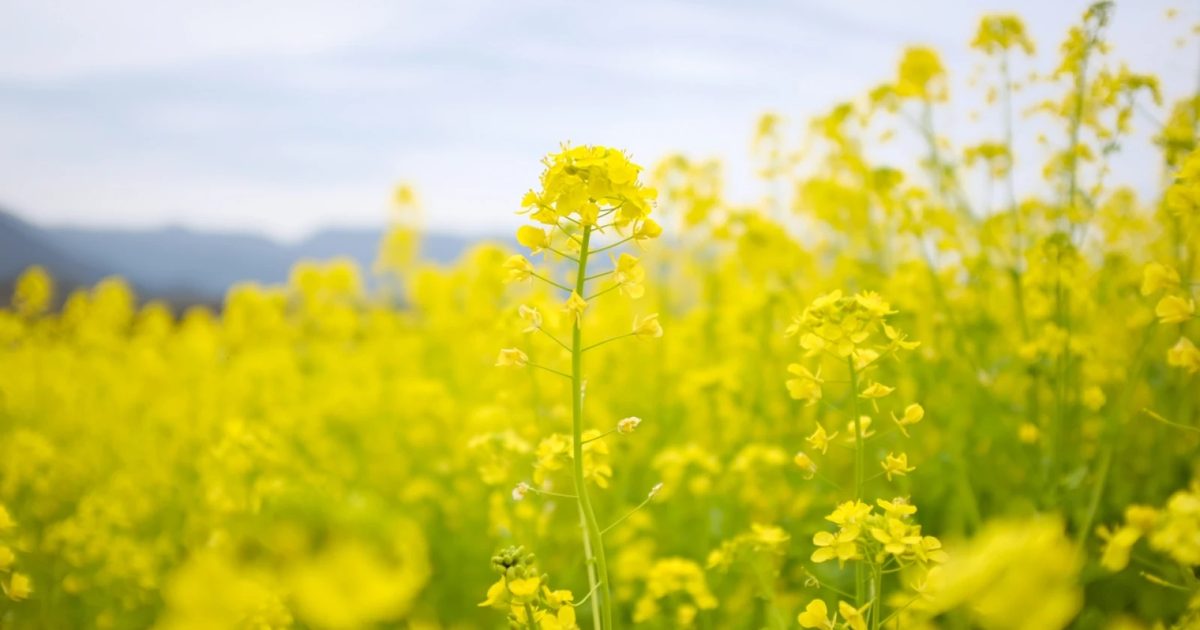
A record rapeseed harvest in Siberia has seen prices collapse in the domestic market due to laboratory and GMO testing disputes with China.
Export Congestion Drives Down Prices
Rapeseed producers in Russia's Siberian region are facing a challenging period due to technical barriers in the Chinese market and a sharp decline in domestic purchase prices. According to data shared by Konstantin Tereshchenko, a deputy of the Legislative Assembly of the Novosibirsk Region, the purchase price for rapeseed, which was around 40 rubles per kilogram in 2025, has fallen to 25-26 rubles as of 2026. The resulting surplus in the local industry due to the shrinking export channel has disrupted market balance. This sharp price drop is reported to seriously threaten producers' preparations for the 2027 planting season and the sustainability of crushing facilities in the region.
Record Rapeseed Harvest in Siberia
The commercial crisis in the region occurred during a season when rapeseed planting areas across Siberia exceeded 1.7 million hectares, setting a historical record. Official data released by Deputy Konstantin Tereshchenko shows that as of October 22, 385,300 tons of rapeseed were harvested in the Novosibirsk Region and approximately 400,000 tons in the Krasnoyarsk Region. Calculated at a base price of 25 rubles per kilogram, the Novosibirsk harvest reaches an economic value of 9.6 billion rubles, and the Krasnoyarsk harvest is valued at approximately 10 billion rubles. However, farmers face the risk of not being able to collect this revenue due to uncertainties at the border.
GMO Discrepancy Between Laboratories
The de facto halt in exports stems from inconsistencies in the genetic testing methods applied by Russian and Chinese laboratories. Konstantin Tereshchenko noted that some batches of goods cleared at border crossings by Chinese plant health authorities were stopped by Russian state laboratories on grounds of GMO-derived material. Following objections, the tightening of inspection mechanisms by the Russian Federal Service for Veterinary and Phytosanitary Surveillance (Rosselkhoznadzor) has locked up the market. Deep discrepancies between the analysis results of independent laboratories and public institutions have led many local factories to suspend direct product purchases from farmers.
Joint Mechanism for Crisis Resolution
To overcome the market deadlock, the establishment of a joint working center bringing together producers, industrialists, public authorities, and Rosselkhoznadzor representatives has been proposed. The solution plan calls for harmonizing analysis methods with Chinese authorities, transparent end-to-end inspection of the supply chain, and initiating new trial shipments to China. Konstantin Tereshchenko brought the issue to the Agriculture Committee of the Novosibirsk Legislative Assembly, emphasizing the need to protect the region's export potential and food security. The application, to be discussed in the agriculture committee, aims to accelerate technical negotiations between the two countries and revitalize the market.
| Value | Period | Measure |
|---|---|---|
| 40 rubles/kg | 2025 | Rapeseed purchase price |
| 25-26 rubles/kg | 2026 | Rapeseed purchase price |
| 1.7 million hectares | 2026 | Rapeseed sowing area |
| 385,300 tonnes | 22 October 2026 | Novosibirsk rapeseed harvest |
| 400,000 tonnes | 2026 | Krasnoyarsk rapeseed harvest |
| 9.6 billion rubles | 2026 | Novosibirsk estimated product value |
| 10 billion rubles | 2026 | Krasnoyarsk estimated product value |