


FAO Reports Rise in Global Food Prices
· FAO Global News
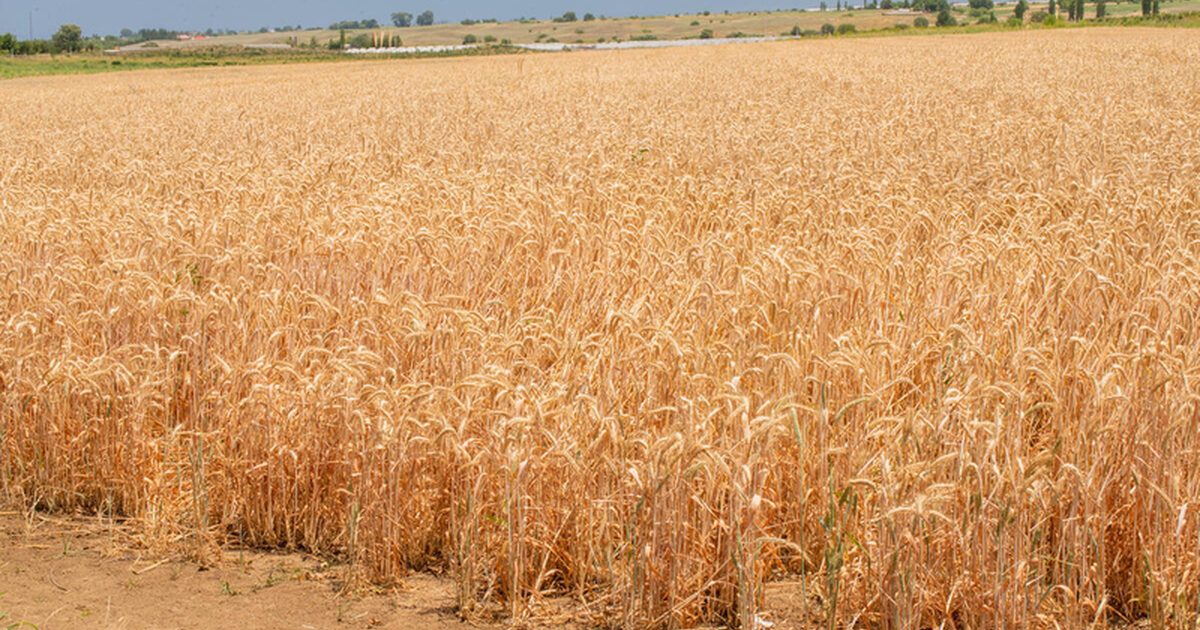
The Food and Agriculture Organization of the United Nations (FAO) announced that global food commodity prices rose by 0.6% month-on-month in July 2026, led by grains, sugar, and vegetable oils.
Increase in Global Food Price Index
According to a report published by the Food and Agriculture Organization of the United Nations (FAO), the FAO Food Price Index, which tracks price movements of internationally traded food commodities, averaged 131.1 points in July 2026. The index showed a 0.6% increase compared to the previous month and was recorded 1.0% higher than the same period last year. Upward movements in sugar, grain, and vegetable oil prices were decisive in the overall index increase, balancing the decline in meat and dairy products.
Rise in Grain and Wheat Markets
According to FAO data, the FAO Grains Price Index rose by 3.4% in July compared to June levels, reaching 6.9% above the July 2025 period. Global wheat prices increased by 5.8% due to concerns over disruptions in the Black Sea export corridor and the potential impact of heatwaves in major producing countries on yields. The institution's report stated that world corn prices increased by 3.6% due to hot and dry weather in the US and geopolitical mobility in energy markets, while the rice price index remained flat.
Two-Year High in Vegetable Oil Prices
The FAO Vegetable Oil Price Index increased by 2.0% compared to June, reaching its highest level since June 2022. The FAO bulletin indicated that strong demand from Indonesia's biodiesel sector and rising crude oil prices increased palm oil prices. Soybean oil was supported by demand for raw materials in the US and global import interest, while sunflower and rapeseed oils depreciated in global markets.
Decline in Meat and Dairy Products
The FAO Meat Price Index fell by 2.8% after reaching a record high in June, marking its first monthly decline this year. Brazil's ample export supply lowered poultry prices, while abundant supply in the European Union pulled down pork prices. Weakening demand from Asia led to a decrease in beef prices, while tight supply in Oceania pushed sheep meat prices to a new peak. The FAO Dairy Price Index fell by 0.7% month-on-month due to declines in milk powder and butter; cheese prices, however, rose for the first time in a year due to seasonal milk supply constraints in the EU.
Impact of Weather Conditions on Sugar Market
The FAO Sugar Price Index increased by 5.6% in July 2026, fully offsetting the decline in June. According to the FAO statement, this increase was influenced by the risks to yields from hot and dry weather in the European Union and production concerns related to El Niño in key producing countries in Asia. The increase in the ethanol blending rate with gasoline in Brazil also supported prices upwards, while improving harvest conditions in the country's Center-South region partially limited the price increase.