


Black Sea Security Crisis Hits Citrus Exports
· Milliyet Ekonomi
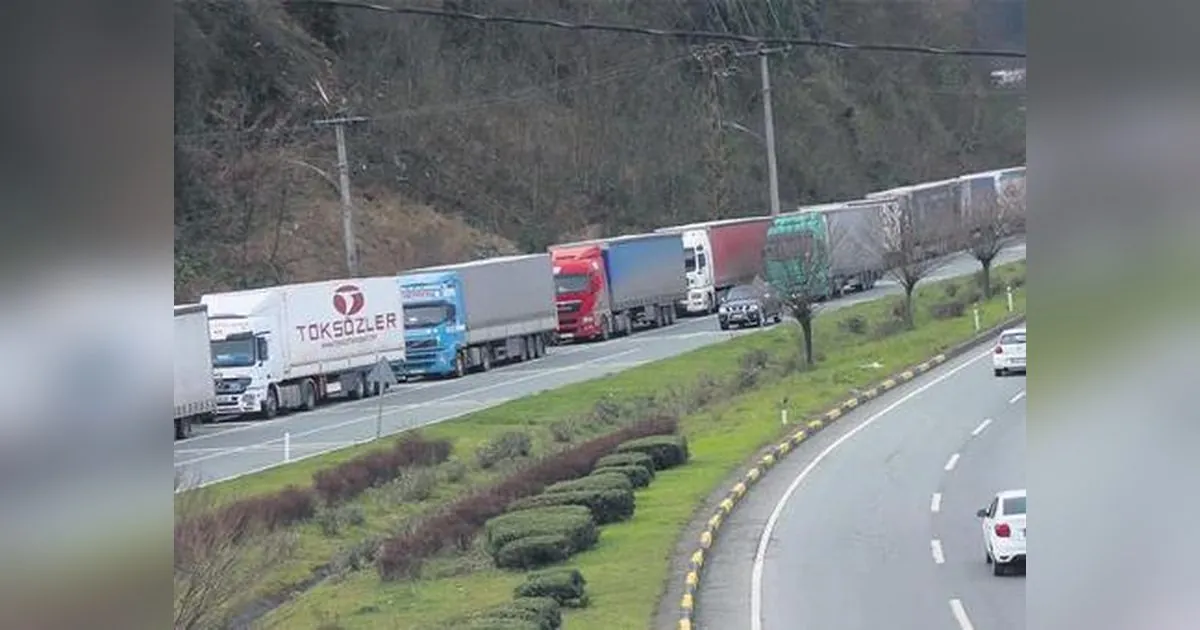
Attacks on merchant vessels in the Black Sea have led to the closure of the maritime route, halving fresh fruit and vegetable exports to Russia.
Black Sea Export Route Blocked
Attacks on four merchant vessels carrying products from Çukurova, a major citrus production center in Turkey, to the Russian market in the past month have brought maritime trade to a standstill. The closure of the Black Sea route is disrupting lemon and fresh fruit and vegetable shipments to the region, while also directly negatively impacting imports of soybeans, corn, crude oil, and feed. Due to this security vulnerability, Turkish producers have been forced to turn to alternative land routes to deliver their products.
Capacity Limits of Road Transportation
Oğuzhan Altun, Chairman of the Sector Board of the Turkish Fresh Fruit and Vegetable Exporters' Associations, stated that 80% of Turkey's fresh fruit and vegetable exports to Russia are transported by sea and 20% by land. He highlighted the inadequacy of the logistics infrastructure, reminding that sea transport carries a volume of 30-40 thousand tons per voyage:
'30-40 thousand tons of product are shipped in a single voyage by sea. The disruption in Black Sea shipping affects exports as well as imports. On their return, ships carrying fruits and vegetables also import products like wheat and fertilizer from Russia. 10 thousand tons of fertilizer means 500 trucks. Strengthening road transport is not possible in the short term. Neither the costs nor the border gates can handle these transitions.'
Altun also noted that relevant ministries and public institutions are working intensively to re-establish security in maritime trade.
Time and Cost Pressure in Logistics
Hayrettin Uçak, Chairman of the Turkish Fruit and Vegetable Products Sector Board, announced that due to the halt in sea transportation, vehicles are using the Georgia and Azerbaijan route via the Sarp Border Gate. Stating that a round trip for a truck to Russia takes 15 days and costs have multiplied, Hayrettin Uçak evaluated the process with the following words:
'When using the sea route, a ship would depart from Samsun port at night and arrive on Russian territory in the morning. Now, it takes 15 days for a truck to go to Russia and come back. There is both a loss of time and additional costs. Russian customers also have to buy Turkish fruits and vegetables at a much higher price.'
Export Decline and Corridor Demand
Uçak emphasized that the fruit and vegetable harvest yield has been quite high this season, announcing that exports to the Russian market have shrunk by more than 50% due to the crisis on the route. While stating that efforts to find alternative markets are ongoing and participation in international fairs is being secured, Uçak stressed that no market can replace Russia and called for the urgent establishment of a secure trade corridor in the Black Sea.
| Value | Period | Measure |
|---|---|---|
| 4 units | Last month | Number of attacked ships |
| 80% | — | Share of export by sea |
| 20% | — | Share of export by road |
| 30000 tonnes | — | Carrying capacity per ship |
| 500 units | — | Number of trucks required for 10 thousand tonnes of fertilizer |
| 15 days | — | Truck round trip duration |
| 50% | Current | Rate of decrease in exports to Russia |