


Global Agricultural Markets See Divergent Price Trends
· AA Tarım & Ekonomi
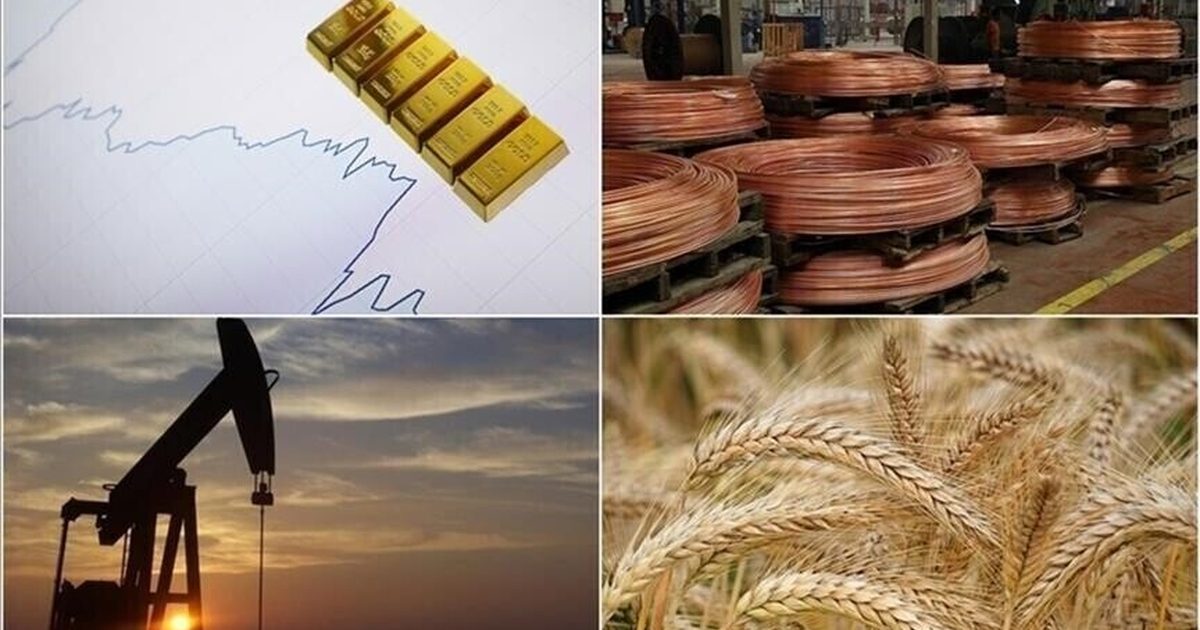
Climate anomalies and diplomatic developments are splitting prices in global agricultural commodities, with wheat falling sharply while sugar and rice continue their upward trend.
Mixed Trends in Global Commodity Markets
Macroeconomic uncertainties, interest rate expectations, and geopolitical tensions continue to be decisive in commodity pricing in global markets. Particularly in agricultural commodities, supply and demand developments have led to divergent price movements on a product-by-product basis. Rising energy costs and risks in logistics routes directly impact agricultural trade dynamics. Agricultural products traded on the Chicago Board of Trade and Intercontinental Exchange witnessed diverging weekly charts due to weather conditions in production regions and global stock balances.
Black Sea Diplomacy and Wheat Prices
Signals regarding diplomatic contacts in international wheat markets have turned prices downward. Wheat prices, which reached their highest levels in 3.5 years during the week, recorded a decline with expectations that grain shipments in the Black Sea region could return to normal. The emergence of peace negotiations regarding the Russia-Ukraine war eased the geopolitical risk premium in the market. According to Chicago Board of Trade data, wheat prices completed the week with a sharp 5.6% decline, also due to intensified profit-taking.
Climatic Pressure on Soybeans and Corn
In the soybean market, increased global demand and concerns about weather conditions pushed prices up. According to U.S. Department of Agriculture data, 192,000 tons of soybeans were exported to China and 250,600 tons to unknown buyers. Hot and dry weather forecasts in production areas lowered yield expectations for corn and soybean harvests. As a result of transactions recorded throughout the week, soybeans gained 1.8% per bushel, and corn prices increased by 0.5% on the Chicago exchange.
Monsoon Rainfall Concerns in the Rice Market
Negative forecasts for the monsoon regime, which shapes agricultural production in Asia, have driven up rice prices. Meteorological predictions indicating that September rainfall in India, the world's leading producer, will be below seasonal norms have created fears of a supply contraction in the market. The risk of regional drought has strengthened uncertainties regarding the new season's harvest. Influenced by these developments, the price of rice traded on the Chicago Board of Trade rose by 2.2% per hundredweight on a weekly basis.
FAO Revision in Global Grain Production
The Food and Agriculture Organization of the United Nations shared its latest assessment report on global agricultural harvests with the public. According to the data published by the organization, the global grain production forecast for 2026 has been revised downward by 3.4 million tons to 2 billion 980 million tons. Drought and extreme heat waves in various global production basins were the main factors in the contraction of grain projections. This reduction indicated that the pressure on global food supply balances will continue.
Global Deficit Expected in the Sugar Sector
Production declines from South America and supply deficit forecasts supported the rise in the sugar market. According to International Sugar Organization data, sugar production in Brazil's center-south region, the world's largest producer, decreased by 7.9% year-on-year in the first half of August. Furthermore, the organization announced its forecast of a global supply deficit of 200,000 tons for the 2026-2027 season. As a result of this structural contraction, the price of sugar per pound on the Intercontinental Exchange completed the week with a 3.0% increase.
Supply Increase in Cocoa and Coffee
In contrast, a supply-side easing in coffee and cocoa, which are beverage and industrial agricultural products, brought about sharp price drops. Cocoa shipments from Ivory Coast to ports increased by 19% year-on-year to 2.14 million tons, bringing exchange stocks to their highest level in two years. In Brazil, the 2026-2027 coffee harvest is projected to break a record with 77.2 million bags. With these figures, cocoa lost 7.0% per ton, and coffee lost 4.7% on a per-pound basis on the Intercontinental Exchange.
Cotton Exports Hit Two-Year Low
In the cotton market, the fundamental input for the textile industry, demand weakness and a decline in export figures continue to pressure prices. Despite limited improvements in U.S. crop development conditions, a narrowing global buying appetite accelerated sales. According to Intercontinental Exchange data, U.S. weekly net cotton export sales fell to 27,525 bales, the lowest level in two years. As a result of this sharp loss in demand, cotton prices closed the week with a 5.2% decrease.