


Harvest Increases Up to 30% in Istanbul's Farmlands
· AA Tarım & Ekonomi
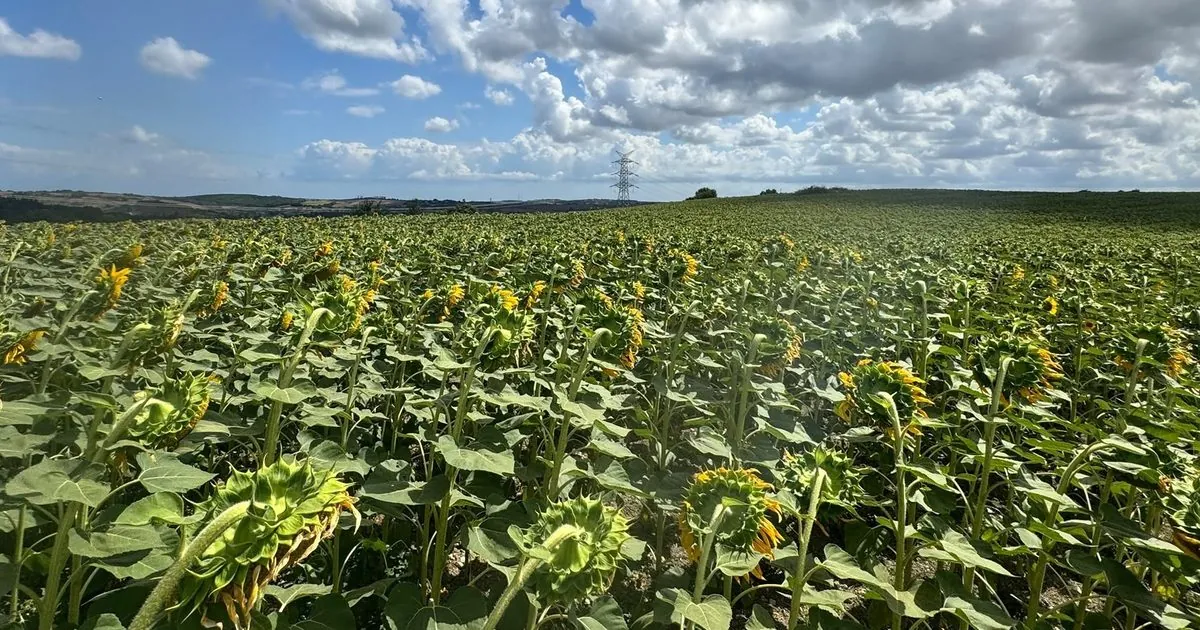
According to data from the Istanbul Provincial Directorate of Agriculture and Forestry, agricultural production planning implemented in the megacity, coupled with regular rainfall and increased input support, has led to a harvest increase of up to 30% for strategic products.
Istanbul Provincial Director of Agriculture and Forestry, Suat Parıldar, stated that alongside its industrial and cultural identity, the megacity possesses a strong agricultural potential. With 14% of its total geography designated as agricultural land, the city has over 743,000 decares of cultivated land. Silivri, Çatalca, Arnavutköy, Şile, Beykoz, Pendik, Sarıyer, and Büyükçekmece stand out as active production centers. Istanbul Provincial Director of Agriculture and Forestry, Suat Parıldar, described the city's agricultural structure with the following words:
Furthermore, touching upon the city's fisheries potential, Istanbul Provincial Director of Agriculture and Forestry, Suat Parıldar, continued his remarks:
Agricultural production across the city is planned considering water resources and climatic conditions. The 610,000 decares registered in the Farmer Registration System (ÇKS) constitute 82% of the total cultivated land. Istanbul Provincial Director of Agriculture and Forestry, Suat Parıldar, highlighted planned production in the megacity, where approximately 6,000 registered farmers operate, stating:
Reminding that 133,074 tons of wheat and 25,209 tons of barley were produced in 2025, Parıldar shared his assessment, noting a 20-25% increase in wheat and a 25-30% increase in barley for the 2026 harvest:
Significant increases in Istanbul's oilseed and legume production have also been recorded. Providing information on the sunflower harvest, Istanbul Provincial Director of Agriculture and Forestry, Suat Parıldar, shared the following data:
Officials stated that 14,195 tons of canola were produced on over 40,000 decares in the same period, and a 30% increase in canola is expected in 2026. Following the 2025 harvests, which exceeded 37 tons for chickpeas and 60 tons for dry beans in production planning, a 30% yield increase is projected for both legume products in 2026.
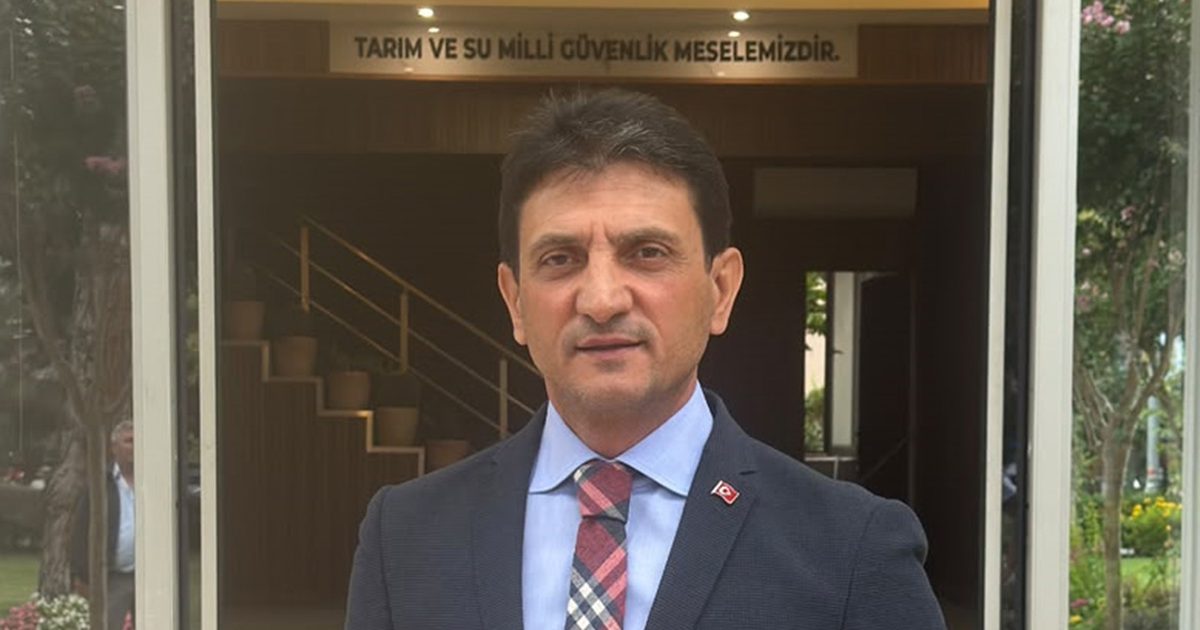
The regular seasonal rainfall in the 2026 production season directly increased the productivity of Istanbul's farmlands. Emphasizing that climatic conditions supported plant development, Istanbul Provincial Director of Agriculture and Forestry, Suat Parıldar, made the following statement:
Thanks to the regular distribution of the rainfall regime, cultivated areas did not experience drought stress, and the record-breaking plant production levels across Turkey were strongly reflected in the megacity's agricultural lands.
Resources transferred to farmers to reduce production costs continue without interruption. In 2025, the Ministry of Agriculture and Forestry made agricultural support payments exceeding 525 million Turkish Liras to producers in Istanbul. Explaining the scope of input support, Istanbul Provincial Director of Agriculture and Forestry, Suat Parıldar, shared the following information:
With the 2026 regulations, sunflower support increased by 18.2% to 1,101 Turkish Liras per decare; unit support rates for wheat, barley, and fodder crops were also increased by over 18%, easing the cost burden on producers.
Within the scope of the Project for Effective Use of Agricultural Lands (TAKEP), a 75% grant support is provided to vegetable producers. Greenhouse plastic renewals were carried out through projects aimed at developing tomatoes, cucumbers, and leafy vegetables. Within this framework, over 2 million seedlings of tomato, lettuce, cucumber, and broccoli varieties were distributed to farmers in the spring and autumn periods. Istanbul Provincial Director of Agriculture and Forestry, Suat Parıldar, also mentioned efforts focused on preserving local genetic resources, sharing work on Sayalar red pepper:
Istanbul's agricultural structure operates in direct integration with the demand from its enormous domestic market. The metropolis, housing over 140,000 food businesses, offers producers direct and rapid distribution opportunities from field to table. Istanbul Provincial Director of Agriculture and Forestry, Suat Parıldar, noted the cost and logistical advantages of proximity to the market:
The agricultural products produced are processed through cooperatives and unions, and then shipped, adding value, for both domestic consumption and export markets.
| Value | Period | Measure |
|---|---|---|
| 14% | 2026 | Share of agricultural land in Istanbul geography |
| 600 km | — | Coastline length |
| 743 thousand decares | 2026 | Cultivated agricultural land |
| 610 thousand decares | 2026 | Agricultural land registered in ÇKS |
| 82% | 2026 | ÇKS registration rate |
| 6000 people | 2026 | Number of farmers registered in ÇKS |
| 90% | 2026 | Share of planned production area |
| 133,074 tonnes | 2025 | 2025 wheat production |
| 20% | 2026 | 2026 wheat yield increase |
| 25,209 tonnes | 2025 | 2025 barley production |
| 25% | 2026 | 2026 barley yield increase |
| 210 thousand decares | 2025 | 2025 sunflower planting area |
| 44,800 tonnes | 2025 | 2025 sunflower production |
| 30% | 2026 | 2026 sunflower yield increase |
| 40 thousand decares | 2025 | Canola planting area |
| 14,195 tonnes | 2025 | 2025 canola production |
| 30% | 2026 | 2026 canola yield increase |
| 37 tonnes | 2025 | 2025 chickpea production |
| 60 tonnes | 2025 | 2025 dry bean production |
| 30% | 2026 | 2026 legume yield increase |
| 525 million TL | 2025 | 2025 agricultural support payment |
| 100% | 2026 | Diesel support rate |
| 50% | 2026 | Fertilizer support rate |
| 18.2% | 2026 | Sunflower support increase |
| 1101 TL/decare | 2026 | Sunflower per decare support |
| 75% | 2026 | TAKEP grant rate |
| 2 million units | 2026 | Number of vegetable seedlings distributed |
| 140 thousand units | 2026 | Number of registered food businesses |