


Bluefin Tuna Return to Historical Habitat in Marmara
· Anadolu Ajansı
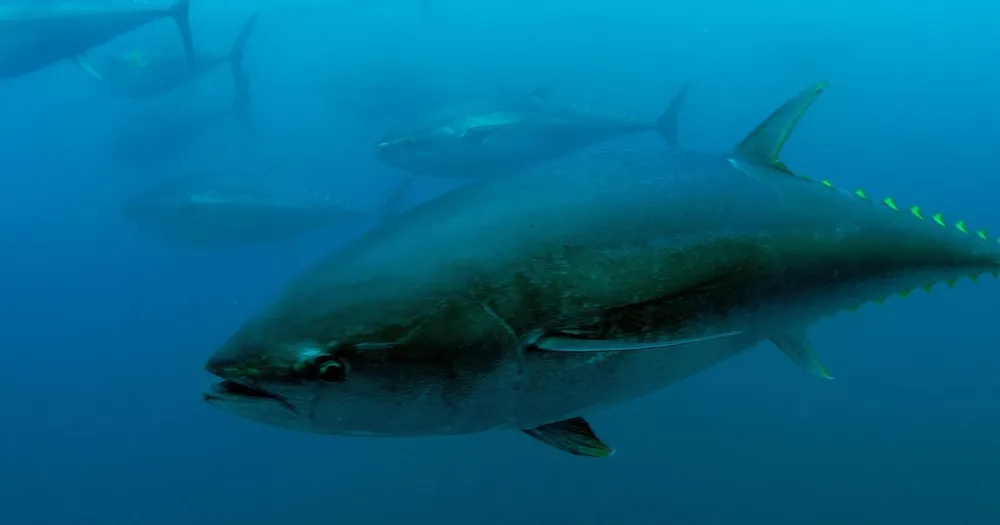
Tuna sightings have increased in the Marmara Sea, the Bosphorus, and the Golden Horn, indicating a return to historical migration corridors due to international conservation measures and prey tracking.
Tuna Return to Historical Migration Area
A recent increase in bluefin tuna observations in the Marmara Sea, Golden Horn, Bosphorus, and Izmit Bay has created excitement in the marine ecosystem. Associate Professor Dr. Taner Yıldız from Istanbul University's Faculty of Fisheries and Aquatic Sciences, Department of Fish Processing Technology, evaluated this activity as the first signs of Atlantic bluefin tuna re-utilizing their old migration routes. Associate Professor Dr. Taner Yıldız made the following assessment:
'It seems more meaningful to me to evaluate the individuals seen recently in the Golden Horn, Bosphorus, or Izmit Bay not as fish discovering a completely new habitat, but as individuals returning to the species' historical ecological area. In other words, the tuna haven't arrived newly; they have started to return.'
Past Fishing and Catch Data
Examining the historical presence of tuna in the region reveals a strong route extending from the Aegean Sea through Marmara and the Bosphorus to the Black Sea. Associate Professor Dr. Taner Yıldız shared the following information, noting that migrations historically began in April, completed in August, and that they fed on fish like bonito and mackerel during winter months:
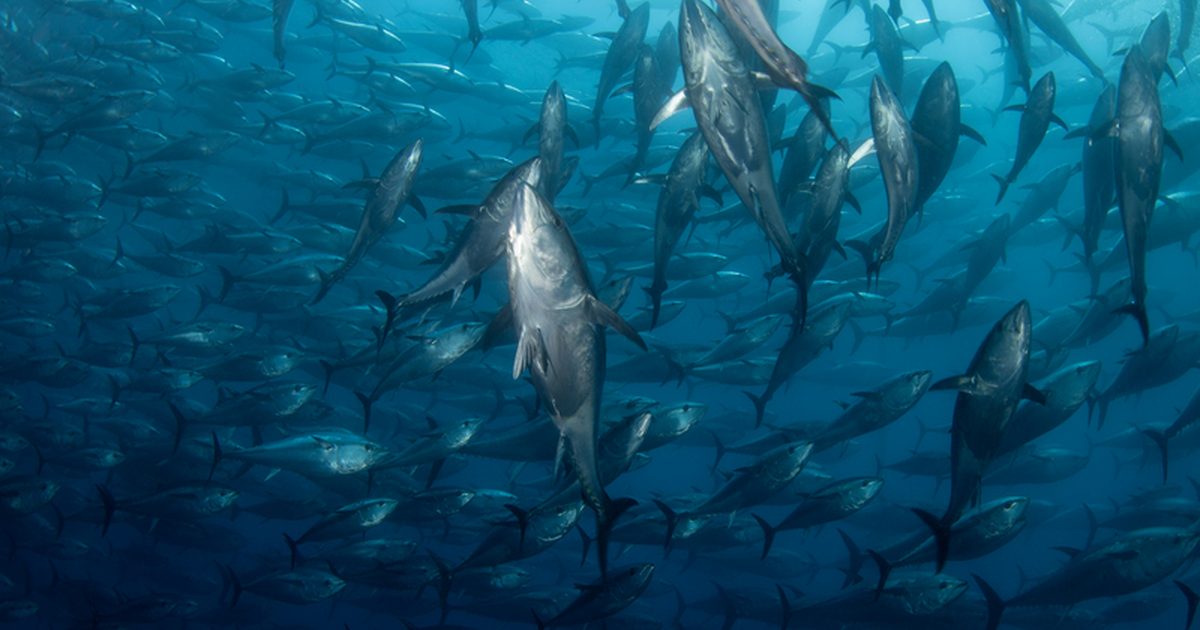
'According to Istanbul Fish Market records, 537,455 kilograms of bluefin tuna were sold in the 1913-1914 period alone. We are talking not about the emergence of a species that was absent decades ago, but about the reappearance of a species with a very old and strong historical presence, which had largely lost this regional migratory behavior.'
Historical records also document the capture of 100-150 individuals weighing 100-450 kilograms per fishing weir per season.
Stock Recovery and Ecological Reasons
The conservation plans implemented by the International Commission for the Conservation of Atlantic Tunas (ICCAT) since the 2000s have had a significant impact on the species' reappearance in the region. Emphasizing that rising temperatures alone cannot be the sole reason, Associate Professor Dr. Taner Yıldız stated:

'Tuna can live in a wide range of temperatures. Their feeding grounds can be related to currents, chlorophyll fronts, and productive oceanographic structures, in addition to temperature. Therefore, a single-factor explanation like 'water temperature increased, tuna returned' would be insufficient. One of the first questions to ask, before water temperature, should be 'What prey are these tuna following?' The tuna observed in the Golden Horn, Bosphorus, and Izmit Bay should be examined along with their food sources, and the seasonal distributions of the species they feed on should be tracked.'
Defining and Monitoring the Migration Corridor
Experts emphasize that the process needs to be carefully monitored, stating that a few individuals observed sporadically in the region are insufficient to prove the establishment of a permanent migratory pattern. Confirming a regular historical corridor requires the increase in the number of individuals to be repeated periodically and their movement patterns to align with the abundance of pelagic fish. Reminding that the Black Sea was historically defined as a spawning ground, Yıldız stated that scientific monitoring studies along the Marmara-Black Sea line are critically important for the future of the species.
Risk of Hand-Feeding in Wildlife
The recent attempts by citizens and fishermen to feed tuna by throwing food from boats are met with concern by scientists. Associate Professor Dr. Taner Yıldız warned that this situation could disrupt the species' natural hunting reflexes:
'There is no experimental literature on the direct feeding of wild tuna individuals by humans. Therefore, it would not be correct to directly transfer the results from dolphins or other marine animals to tuna. However, we can be concerned about the mechanism of behavioral conditioning. If regular food is provided, it is possible for tuna to associate a specific point, people, or boats with food, rather than naturally following schools of prey. Human-provided food support in wild animals can alter the behavior and distribution of individuals of that species.'
| Value | Period | Measure |
|---|---|---|
| 537,455 kilograms | 1913-1914 | Historical tuna sales |
| 100 units | Historical period | Tuna caught per season per dalyan |
| 100 kilograms | Historical period | Tuna individual weight |