


The Memory of Soil and the Pain of Rural Rejuvenation: Is a New Generation of Collective Solidarity Possible?
· Doç. Dr. Ayşe Gündüz
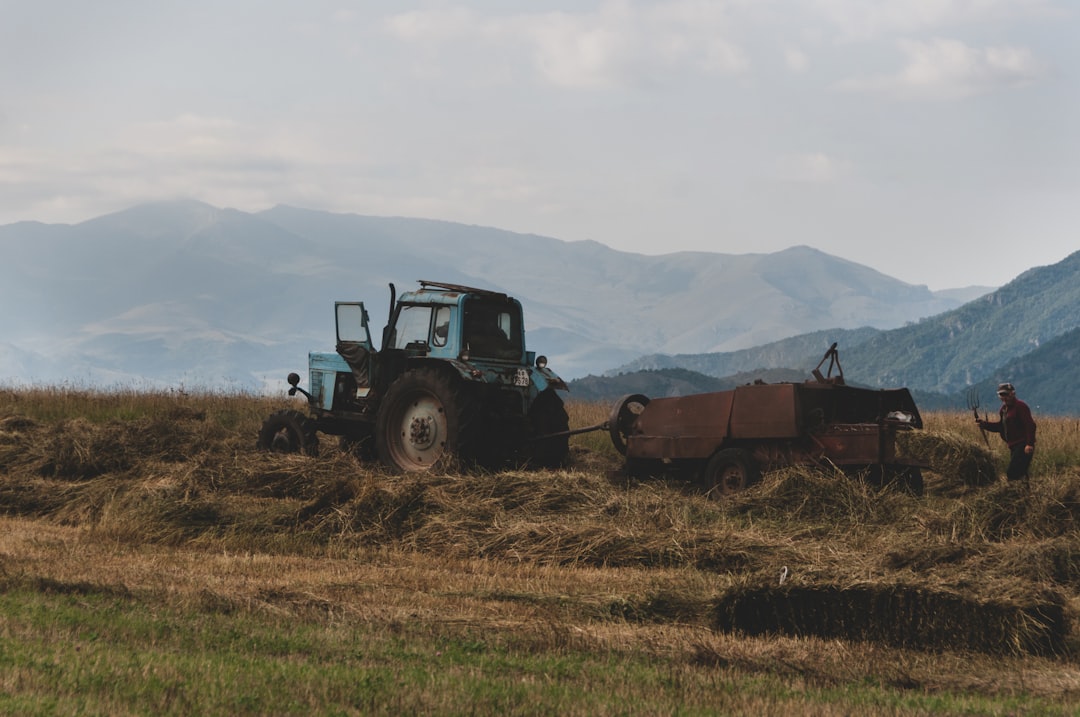
As the rural population ages rapidly, the flight of youth from the land represents not merely an economic migration, but a profound sociological and cultural rupture. Securing our food sovereignty requires establishing a next-generation cooperative ecosystem where young people are not mere laborers, but pioneers of rural transformation.
When you sit in a village coffeehouse across Anatolian plains or Aegean olive groves, what strikes you first is not just the timeless stillness, but the greying hair around every table. Today, the average age of farmers in Turkey exceeds 58. This figure is not merely a demographic statistic; it is a profound warning that the bread on our tables and the centuries-old memory of the land are drifting toward a silent precipice.
Rural sociology teaches us that soil is not simply a factor of production or an object of property; it is an identity, a sense of belonging, and an ancient culture passed down through generations. However, agricultural policies over the past three decades, escalating input costs, and the illusory glitter of urban life have severed the youth from the land. Staying in the village was framed as a failure, while precarious service-sector employment in metropolitan centers was sold as salvation. Consequently, we are left with deserted villages, abandoned pastures, and a heartbroken generation of farmers advising their children: "Escape and do not stay here."
Yet the intersecting crises of climate change and global food insecurity make agriculture more strategically vital than ever. Retaining young people in rural areas or fostering reverse migration cannot rely on romantic pastoral nostalgia; it demands building socio-economic ecosystems where individuals can live with dignity and prosperity. This is precisely why we must embrace a 'Next-Generation Cooperative Model' that synthesizes traditional communal solidarity (imece) with modern technology and democratic governance.
Today's youth do not merely seek the keys to a tractor; they demand digital agricultural tools, fair market access, social security, and above all, a voice in decision-making processes. Cooperatives that are transparent, managed from the grassroots, and organized across all stages—from agroecology to supply chain management—can provide young farmers with both an entrepreneurial platform and a collective purpose. True rural development is only achievable through collective solidarity networks that prioritize farmer welfare and ecological integrity above mere commodification.
We must rejuvenate our countryside without losing the memory of the soil. In a land where the youth abandon the earth, neither food sovereignty nor an independent future is possible. The time has come to transform our rural landscape from a symbol of abandonment into a thriving sanctuary of production and solidarity.