


Climate Change Triples Pesticide Use in Equatorial Africa
· Tarım Pusulası
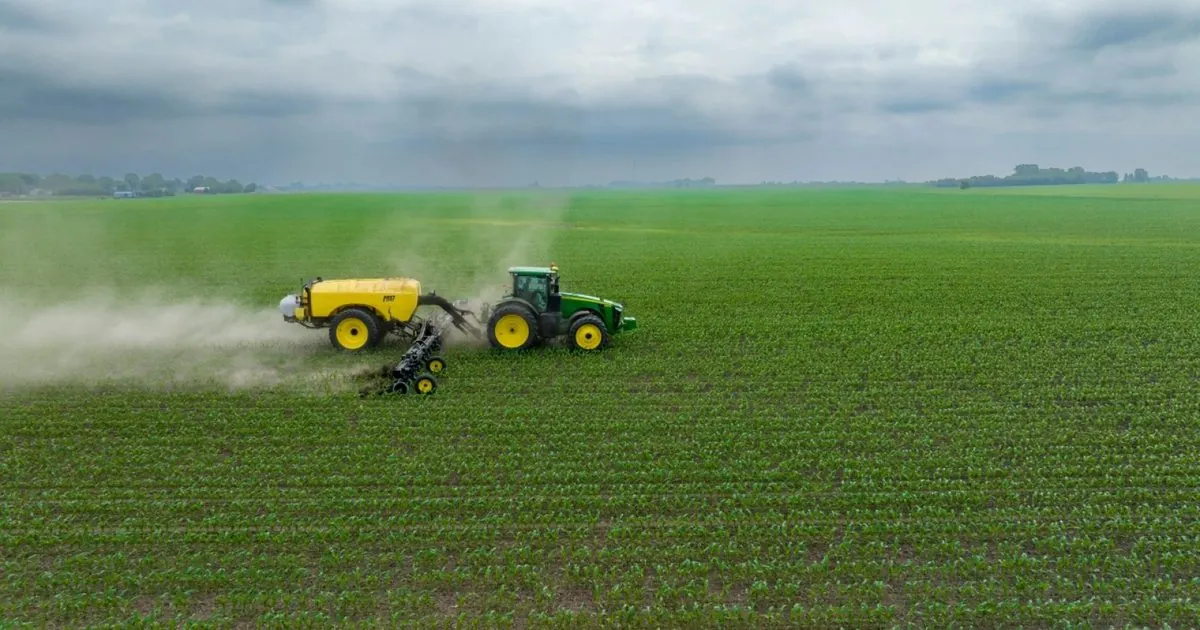
A new study published in the Journal of Environmental Management reveals that climate-induced pest pressure in equatorial Africa has led to a sevenfold increase in pesticide use over the past 33 years.
Rising pest and disease pressure due to climate change is significantly escalating pesticide use among smallholder farmers across equatorial Africa. According to comprehensive research published in the Journal of Environmental Management, increasing temperatures and changing rainfall patterns are creating favorable breeding conditions for pathogens. These hydro-climatic shifts are compelling farmers in the region to rely more heavily on chemical interventions to prevent crop losses.
Data shared in the Journal of Environmental Management study indicates that pesticide use in equatorial Africa has risen sevenfold between 1990 and 2023. Over this 33-year period, the average annual growth rate was recorded at approximately 7%, with the Kibale region of Uganda, a focus of the research, experiencing an annual increase of 9%. The report notes that this surge is not solely climate-driven but is also accelerated by agricultural intensification, lack of knowledge, and market dynamics.
Research findings reveal that smallholder farmers predominantly obtain agricultural chemicals from informal sales channels and engage in erroneous practices such as incorrect dosage and late-season application. While the lack of personal protective equipment threatens human health, pesticide residues have been detected not only in harvested crops but also in drinking water sources and the air. Wild species, including elephants and primates feeding on lands adjacent to protected areas, are also reportedly affected by the chemicals.
It is stated that rising temperatures are increasing coffee berry borer and whitefly populations, thereby expanding the spread of cassava diseases and the East African fruit fly. Researchers, highlighting the increased risk of fungal-induced rice blast, mandate the widespread adoption of integrated pest management to break chemical dependency. It is strongly recommended that climate adaptation and biological control be pursued in conjunction with strengthening agricultural extension services.
| Value | Period | Measure |
|---|---|---|
| 7 times | 1990-2023 | Pesticide use increase in Equatorial Africa |
| 7% | 1990-2023 | Average annual pesticide increase rate in Equatorial Africa |
| 9% | 1990-2023 | Annual pesticide increase rate in Uganda |