


Glacial Collapses Trigger Fatalities and Water Crisis
· Deutsche Welle
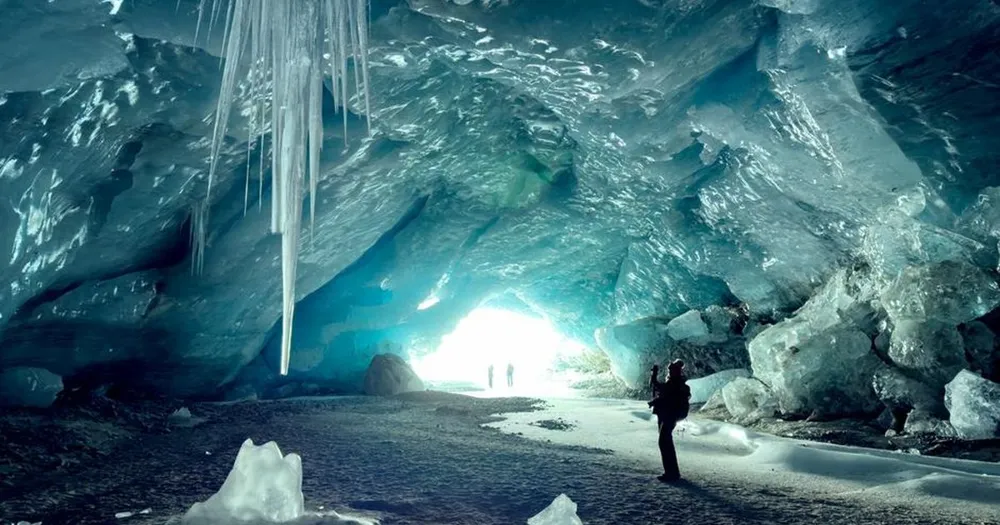
Accelerated glacial melt, doubling with global warming, is causing deadly floods from Asia to the Alps, threatening agricultural irrigation and energy production.
Glacial Collapses Trigger Deadly Disasters
A devastating flood occurred on the Bhotekoshi River due to a glacial collapse in the Tibet region bordering Nepal and China. According to initial estimates by the Nepal Disaster Management Authority, this event, which claimed the lives of approximately 300 people with over 1,500 still missing, is not the first glacial collapse. Last year, the village of Blatten in Switzerland's Valais canton was buried under debris from a similar collapse. Residents in Chamonix, France, are also concerned about the threat posed by the Bossons and Taconnaz glaciers.
Global Freshwater Reserves Are Melting
Glaciers and vast ice sheets in the mountains constitute about 70% of the world's freshwater reserves. These high-altitude areas, referred to as the world's water towers, meet the daily drinking and irrigation needs of 2 billion people. However, scientific data indicates that the melting rate has doubled in the last two decades. Between 2000 and 2023, glacial mass equivalent to 46,000 Giza Pyramids completely melted and disappeared from the planet.
Glacial Lakes Threaten Millions
Due to melting glacial waters, the volume of glacial lakes in the mountains has increased by approximately 50% since 1990. Scientists state that at least 15 million people, particularly in India and Pakistan, are facing the risk of floods from sudden lake overflows. Indeed, floods in India in October 2023 caused 179 fatalities. In Huaraz, Peru, the risk of glacial lakes, which supply 20% of the town's water, overflowing is driving citizens to legal action.
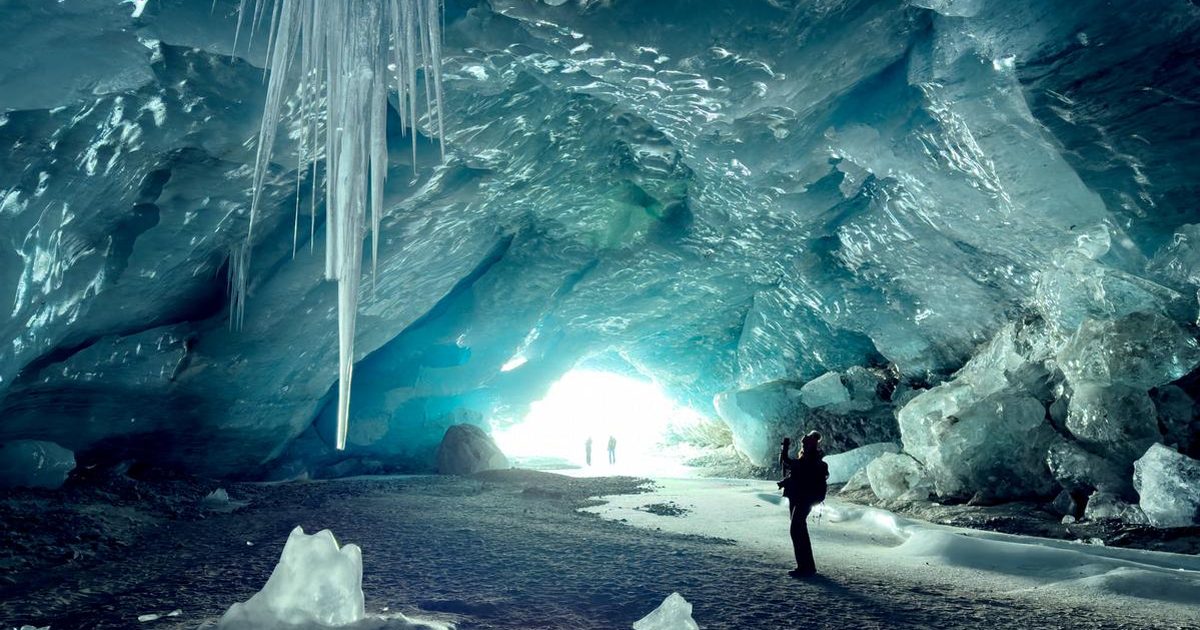
Crisis Looms for Agricultural Production and Energy
The shrinking of glaciers to critical peak water thresholds directly disrupts the agricultural irrigation balance in river basins. Due to the significant decrease in water flow, traditional corn and wheat farmers are being forced to switch to cultivating drought-resistant potato varieties in South America. In addition to agriculture, energy production is also being impacted. The Alto Maipo hydroelectric plant in Chile, which supplies 27% of the country's electricity, was shut down in 2021 due to reduced water flow.
Rising Sea Levels Hit Coastal Cities
In addition to mountain melting, the Thwaites Glacier in West Antarctica, known as the 'Doomsday Glacier' and roughly the size of Florida, is also destabilizing. In the last 25 years, glacial melt has raised global sea levels by approximately 2 centimeters. This rise threatens island nations in the Pacific like Fiji and Vanuatu, while sea defenses built to protect over 1 billion people living near the coast in cities like Jakarta, Mumbai, Lagos, and Manila risk becoming insufficient in the future.
Ski Resorts and Cultural Heritage Are Disappearing
Melting glacial masses are also destroying ancient traditions and the winter tourism economy. The sacred Colquepunco glacier in Peru, visited by pilgrims annually, faces the threat of melting, while Italy's Presena Glacier has lost a third of its volume since 1990. It is estimated that natural snow cover across the European Alps will decrease by 42% by the end of the century. This situation will lead to many ski resorts worldwide losing profitability and closing down.
Artificial Glaciers and Early Warning Systems
Local communities are developing adaptation strategies against the disasters brought by global warming. In Pakistan's Hassanabad village, the movements of the Shisper glacier are monitored with early warning systems and village loudspeakers. In India's Ladakh region, artificial glaciers are being built to combat summer drought. However, scientists emphasize that local measures are temporary and limited, and the real solution lies in urgently slowing down the global temperature increase.
| Value | Period | Measure |
|---|---|---|
| 300 people | 2026 | Loss of life in floods in Nepal and Tibet |
| 1500 people | 2026 | Number of missing in floods in Nepal and Tibet |
| 70% | — | Share of glaciers in the world's freshwater reserves |
| 2 billion people | — | Population relying on melting glaciers for daily water needs |
| 46,000 Great Pyramids of Giza | 2000-2023 | Volume of global ice mass lost |
| 20% | — | Share of water supplied by glacial meltwater to the town of Huaraz |
| 179 people | October 2023 | Loss of life in glacial lake outburst flood in India |
| 15 million people | — | Population at risk from glacial lake outburst floods |
| 50% | Since 1990 | Increase in glacial lake water volume in mountains |
| 27% | — | Share of hydroelectric power plants in electricity generation in Chile |
| 2 cm | Last 25 years | Global sea level rise due to melting glaciers |
| Over 1 billion | — | Megacity population living within 10 kilometers of the coast |
| 33.3% | Since 1990 | Volume loss rate of Presena Glacier |
| 42% | By the end of the century | Expected decrease in natural snow cover in the Alps |