


A Century-Long Production Journey in Turkey's Sugar Sector
· Tarım Dünyası
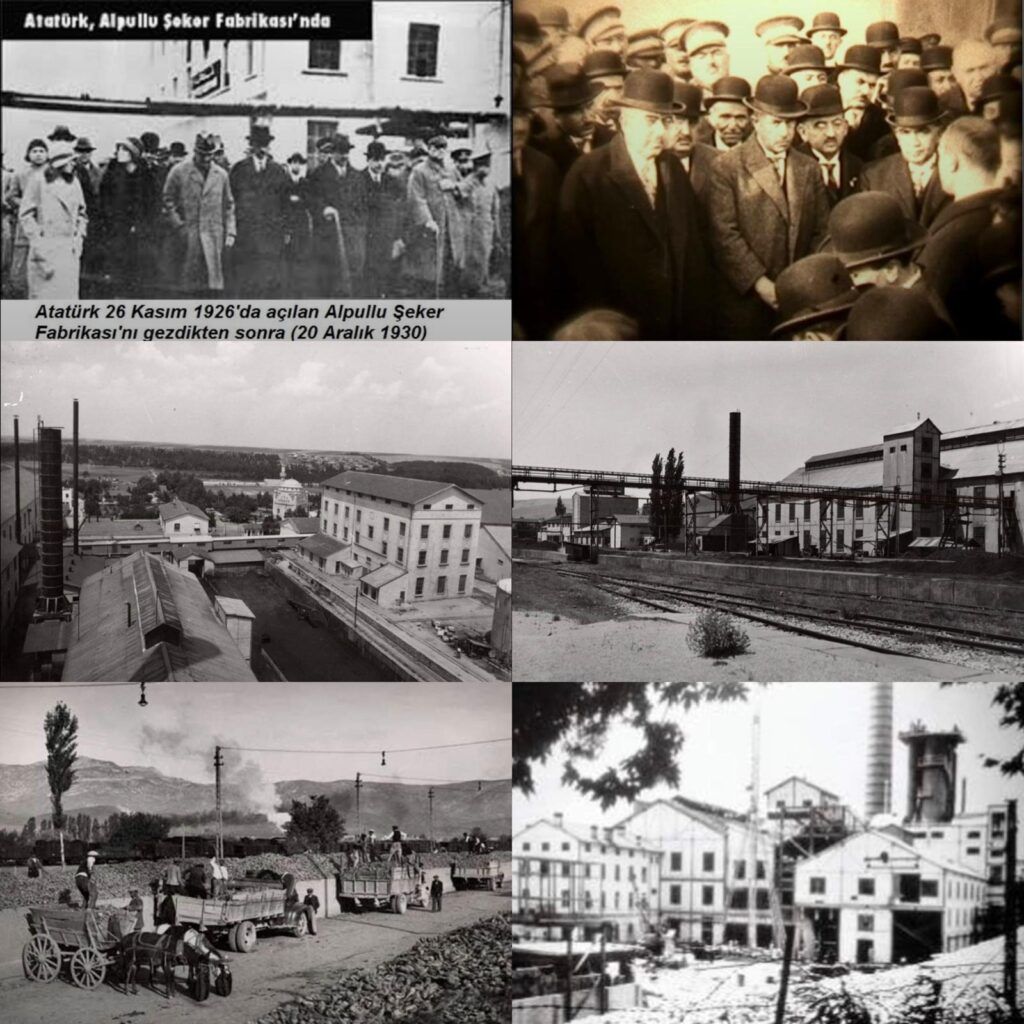
On the 100th anniversary of sugar factories, the first industrialization move of the Republic, Turkey maintains its 5th position globally in beet sugar production as the sector prepares for a new planning period.
Kayseri Panfest Gathering and Expectations
Panfest 2026, hosted by Kayseri Şeker in cooperation with Agro TV and held from September 1-3, brought together producers and sector representatives before the sugar beet harvest season. This gathering, coinciding with the 100th anniversary of the commencement of production by sugar factories, the first industrialization move of the Republic of Turkey, saw comprehensive discussions on the sector's future goals. During the event, current costs for producers and harvest season expectations were discussed at the stands, while the sector's structural transformation and key challenges were also addressed in detail.
Historical Development Process of Sugar Globally
The journey of sugar in the world began with sugarcane, considered native to India. The teaching of obtaining solid sugar by boiling cane juice spread through Iran, Egypt, and Arabia in the 7th century AD. Sugar entered the European market with the Venetians taking over trade in the 10th century and was transported to the American continent by Christopher Columbus following the Age of Discovery. Sugarcane cultivation, which rapidly developed around Cuba and Puerto Rico, transformed into a vast industrial and trade network spreading worldwide from the 17th century onwards.
Global Sweetener Demand and Sources
Global sweetener demand is primarily met by three sources: sucrose, starch-based sugars, and non-caloric high-intensity sweeteners produced through chemical means. According to data from the Turkey Sugar Factories 2025 Sector Report, global sugar production is expected to be 181 million 287 thousand tons and consumption 180 million 69 thousand tons in the 2025-2026 season. While 78.4% of sucrose-derived production comes from sugarcane, 21.6%, corresponding to 39.2 million tons, is obtained from sugar beet.
Leading Countries in Global Sugar Production
Brazil, India, China, Thailand, the USA, and Russia are among the top countries in global sugar production, with the top 15 countries controlling approximately 80% of the total supply. Turkey ranks 13th in the global production ranking. Among countries producing from sugar beet, Turkey ranks 5th after Russia, the USA, France, and Germany. The top 10 producing countries meet 77.5% of the world's beet sugar supply, maintaining their decisive roles in the market in the 2025-2026 season.
The First Industrialization Move of the Republic Begins
In the early years of the Republic, a domestic production mobilization was launched to meet sugar needs, which were entirely dependent on imports. Public investments were accelerated to meet the basic needs of the people, consisting of flour, cotton, and sugar. Following trials with sugarcane due to its suitability to climatic conditions, focus shifted to beet cultivation, and strategic investments were planned. The Founder of the Republic of Turkey, Mustafa Kemal Atatürk, expressed the role of agriculture in development during this period with the following words:
'The foundation of the national economy is agriculture.'
Emphasizing the producer's connection to the land and their production power, the Founder of the Republic of Turkey, Mustafa Kemal Atatürk, articulated the importance of the villager with this concise saying:
'The true owner and master of the country is the villager, the real producer.'
Establishment Chronology of the First Sugar Factories
The first sugar production in Turkey officially began with the Alpullu Sugar Factory, which became operational on November 26, 1926. Immediately after this opening, the Uşak Sugar Factory commenced production on December 17, 1926, and these two facilities met the country's sugar demand until 1933. In line with Atatürk's directives in 1930, the Eskişehir Sugar Factory opened in 1933, and the Turhal Sugar Factory in 1934. These structures, strengthened by the partnership of Türkiye İş Bankası, Ziraat Bankası, and Sümerbank, were consolidated under the umbrella of Türkiye Şeker Fabrikaları A.Ş., established in 1935.
Increase in Factory Numbers and Cooperativization
With the Expansion Program prepared in 1951, the construction of new sugar factories across Turkey gained momentum, and beet producers were organized within cooperatives. Between 1953 and 1956, the Adapazarı, Amasya, Konya, Kütahya, Susurluk, Burdur, Kayseri, Erzurum, Erzincan, Elazığ, and Malatya factories were commissioned, increasing the number of facilities to 15. Growth continued with new facilities opened in the following years. Today, a total of 32 beet sugar factories are in production: 14 owned by Türkşeker, 12 by the private sector, and 6 by cooperatives.
Contract Farming Model and Crop Rotation
Sugar beet farming is one of the most successfully implemented agricultural areas for the contract farming model and crop rotation system in Turkey. Factories secure their raw material needs through production contracts made in advance with farmers. This disciplined model has enabled farmers to plan their cultivation with market guarantees and, thanks to the crop rotation requirement, has preserved the productivity of agricultural lands and soil health for many years. The cooperative structure has formed a critical example of social solidarity in the organization of farmers.
Quotas Initiated with the Sugar Law
With the Sugar Law enacted in 2001, fundamental structural transformations occurred in the sector, and both beet and sugar production were linked to a quota system. For the first time, a legal quota was introduced for starch-based sugar; this rate, initially applied at 10%, has been reduced to 2.5% today in line with Presidential decisions. In 2017, the Sugar Regulatory Authority was closed, and all its powers were transferred to the Directorate of Sugar within the Ministry of Agriculture and Forestry. Currently, there are 5 SBS factories operating within quota and 5 exporting outside of quota.
Privatization Process and Structure of Factories
The ownership structure of sugar factories has undergone a significant transformation process since the 2000s through privatization tenders. First, public shares in the Adapazarı and Kütahya factories were sold in 2004. Subsequently, in 2018, 10 public factories, including Alpullu, Bor, Çorum, and Turhal, were privatized by the Privatization Administration. Türkiye Şeker Fabrikaları A.Ş. was transferred to the Turkey Wealth Fund in 2021 and, by a decree published in the same year, was brought under the status of an affiliated organization of the Ministry of Agriculture and Forestry.
Penalties Introduced by the Omnibus Law
With the Omnibus Law enacted on June 20, 2026, the determination and supervision of sugar beet cultivation areas have been directly transferred to the Ministry of Agriculture and Forestry. Starting from the 2027 production year, companies' contract limits will be set by the ministry, and contract-free beet cultivation will be completely prohibited. While previous legislation only imposed administrative fines on factories that conducted cultivation outside of quota, the new regulation will introduce direct penal sanctions for farmers who cultivate without a contract or outside of quota.