


Global Hunger Declines, But Healthy Diet Costs Rise
· Özel Haber
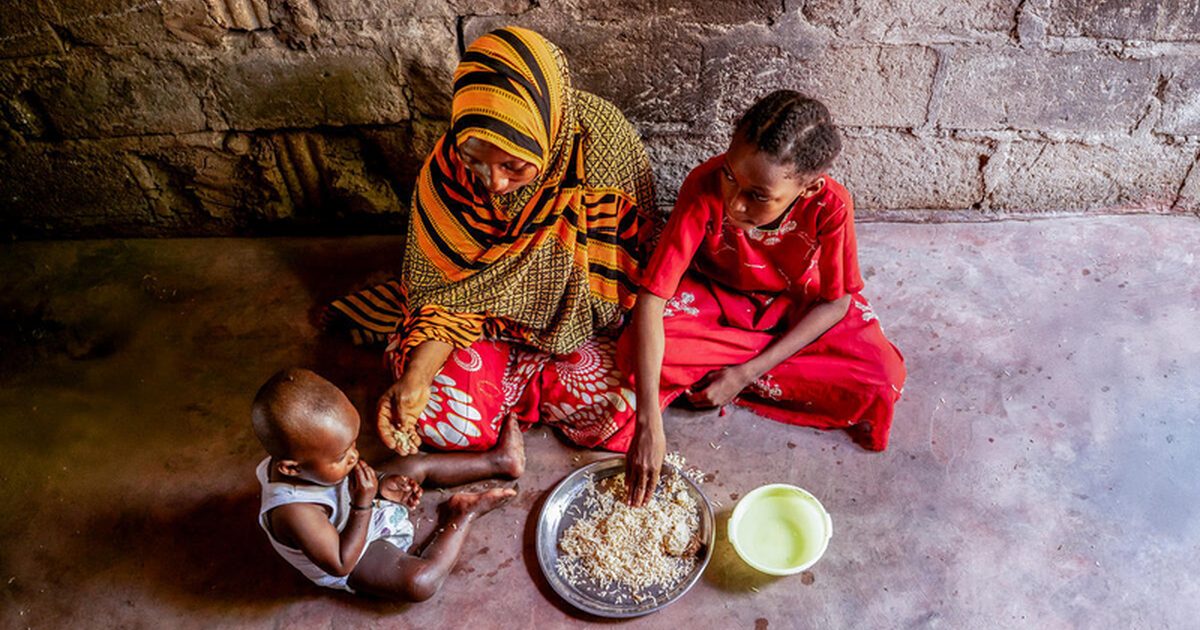
While global hunger continues its downward trend, rising costs for healthy diets and regional disparities threaten food security, according to the joint SOFI 2026 report by UN agencies.
Slow Decline in Global Hunger Rates
According to the SOFI 2026 report jointly published by UN agencies FAO, IFAD, UNICEF, WFP, and WHO, global hunger declined for the third consecutive year in 2025. Projections in the report indicate that 7.8% of the world's population faced hunger in 2025. While this represents a decrease compared to 8.1% in 2024 and 8.6% in 2022, progress remains extremely fragile and insufficient to meet the 2030 Sustainable Development Goals, the report emphasizes. Data shows approximately 645 million people were affected by hunger in 2025.
Regional Gaps in Food Insecurity Deepen
Despite limited global improvement, regional imbalances persist. While significant progress has been made in Asia and Latin America and the Caribbean, the situation in Africa remains critical. According to the report, 309 million people suffer from hunger across Africa, compared to 292 million in Asia. In 2025, approximately 2.1 billion people worldwide, or 25.8% of the population, experienced moderate or severe food insecurity. 56.6% of Africa's population was affected by this problem, while the rate in North America and Europe remained at 8.7%.
Middle East Conflicts Complicate Projections
The SOFI 2026 report addresses the pressure of conflicts in the Middle East on food inflation and updates projections for the next five years. Due to food inflation triggered by rising energy and fertilizer prices, it is projected that around 510 to 520 million people may still be struggling with hunger in 2030. The report notes that extreme weather events like El Niño, expected to be effective in 2026 and 2027, were not included in current calculations, and highlights that climate crises and declining development aid seriously threaten efforts to end hunger.
Targets for Child and Maternal Nutrition
The report points out that the pace of achieving global nutrition targets is very slow, addressing critical indicators for child development and maternal health. While 150 million children under five worldwide continue to suffer from chronic malnutrition, only 30.8% of children aged 6-23 months receive a sufficiently diverse diet. Furthermore, adult obesity rose from 12.1% in 2012 to 16.2% in 2024. Rates of anemia among women have worsened, and childhood overweight is rapidly increasing in Oceania.
Sharp Rise in Healthy Diet Costs
One of the most critical topics highlighted in the report is the cost of a healthy diet. According to data, the global average daily cost per person for a healthy diet rose to $4.28 Purchasing Power Parity (PPP) in 2025. This figure was $3.44 in 2021 and $2.94 PPP in 2017. Although the number of people unable to afford a healthy diet globally has decreased to 2.69 billion (32.7% of the population), it was determined that 66.6% of Africa's population cannot access healthy food.
Impact of Agricultural Value Chains on Prices
Structural differences in agricultural food systems directly shape nutrition costs. 70% to 75% of the total amount consumers pay for food originates from stages after the farm gate. Processing, logistics, and wholesale steps, in particular, account for 40% of total costs. Animal products, fruits, and vegetables constitute the largest portion of diet costs, and it is stated that efficiency in supply chains needs to be increased for perishable and nutritious products to reach the final consumer at an affordable cost.
Need for Structural Reform in Agricultural Policies
It is stated that country-specific agricultural policies should be implemented to increase the supply of nutritious foods and reduce costs in value chains. According to the report, infrastructure investments, agricultural research and development, irrigation systems, and strengthening cold chains are vital. It is noted that by transforming agricultural subsidies, facilitating trade, and reducing post-harvest losses, both producer resilience will increase and food security will be ensured in line with climate goals.
FAO Calls for Resilient Agrifood Systems
Evaluating the data presented, FAO Director-General QU Dongyu stated that the process needs to be accelerated and said:
'The report shows that progress is possible, but we must move faster. Ending hunger and making healthy diets affordable requires political commitment, sustained investment and enabling policies. Recent crises – from natural disasters like the COVID-19 pandemic to man-made disaster like hotspots of conflicts, the war in Ukraine, the Gaza crisis, and the recent Strait of Hormuz disruption - have demonstrated both the resilience of agrifood systems and the need to strengthen them further to better serve the world’s most vulnerable people, farmers and consumers.'
IFAD Highlights Rural Investments
IFAD President Alvaro Lario emphasized the necessity of solutions focused on agricultural markets and rural development, calling for investment in resilient value chains. In his statement, he said:
'SOFI tells us that the cost of a healthy diet continues to rise and that nearly 2.7 billion people may still be unable to afford a healthy diet. Resilient value chains must be a central part of the answer. Our task now is to turn the evidence SOFI provides into investment - and to do so through partnership. Together, we can build the value chains, market systems and rural economies that make healthy food affordable for all.'
UNICEF Calls for Protection of Vulnerable Groups
UNICEF Executive Director Catherine Russell stressed that children and women are the most affected by food crises, drawing attention to the integration of social protection and nutrition systems. Russell made the following assessment in her statement:
'Every child deserves the chance to grow and develop to their full potential, and this starts with access to nutritious, affordable food. This report is a stark reminder that food systems fail millions of children and families. Food, health, education and social protection must go hand in hand to protect the most vulnerable children and women from global shocks.'
WFP and WHO Call for Joint Action
WFP Acting Executive Director Carl Skau stated that crises deplete family budgets and said:
'Behind every number in this report is a family counting the cost of food. Conflict and climate shocks push them further beyond their means. We must continue working with partner agencies, governments and communities to build food systems that hold up under shock, so families can afford nutritious diets, even in times of crisis. We now need sustained investment to match the scale of the challenge.'
WHO Director-General Dr. Tedros Adhanom Ghebreyesus shared his views on the matter with the following words:
'While we welcome the clear progress we have made in reducing hunger, a healthy diet still remains unaffordable for one in three people globally. Obesity is rising and progress on maternal and child nutrition is stalling. But we know what works: policies that make healthy food the easy choice, promoting breastfeeding, front-of-pack labelling, taxing unhealthy products, and protecting children from harmful marketing. Healthy diets are not a luxury - they are the foundation of health and must be within everyone's reach.'