


Turkey Sets Ochratoxin Rules in Dried Fruit Exports
· Gıda Bülteni
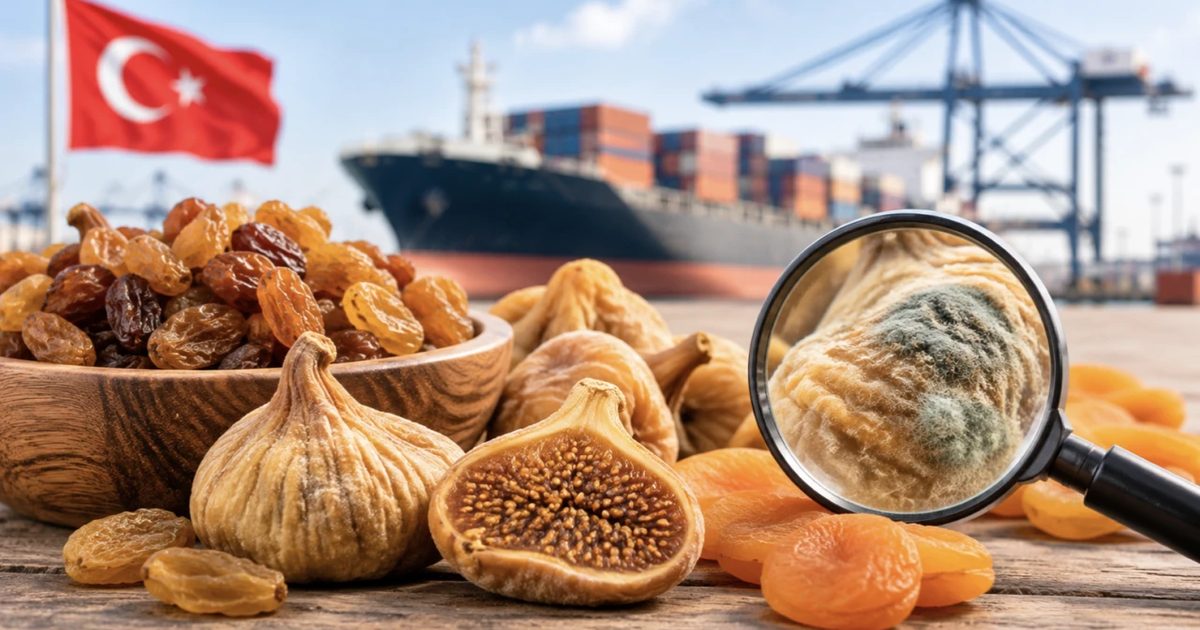
Turkey's ochratoxin A guideline proposal was accepted at the Codex Alimentarius meeting, introducing a control rule that prevents the rejection of entire shipments in large consignments.
Turkey's Leadership in International Standards
According to the food code report dated November 5, 2026, published by the Ministry of Agriculture and Forestry, a critical initiative closely concerning Turkey's dried fruit sector has received international approval. At the 19th meeting of the Codex Alimentarius Committee on Contaminants in Food, held in Egypt from October 19-23, 2026, the proposal from the electronic working group chaired by Turkey was accepted. The aim is to prepare an implementation guideline for the prevention and reduction of ochratoxin A contamination in dried fruits. The International Nut and Dried Fruit Council has indicated that, based on scientific data, the scope may include tropical fruits such as mango, banana, and pineapple.
Impact of Ochratoxin A Risk on Dried Fruits
Ochratoxin A, a natural mold toxin produced by Aspergillus and Penicillium species, can be found in a wide range of products from cereals to coffee. In the production of dried figs and raisins, which are of strategic importance to Turkey, post-harvest drying and storage conditions play a decisive role in preventing this risk. Scientific reviews by the European Food Safety Authority have revealed that the toxin can cause kidney damage and has carcinogenic potential. Therefore, moisture and hygiene management in exported products are vital for market assurance.
Timeline and Stages of the Guideline Preparation Process
This technical process, which will set global standards, was actually initiated at the 18th committee meeting held in 2025. The electronic working group, with Turkey in the chair and the United Kingdom as co-chair, prepared a comprehensive project document and presented it to the 19th committee meeting. The working document, which received full support from committee members, has been forwarded to the Codex Alimentarius Commission for final approval. Officials state that if official approval is granted at the 50th Commission meeting planned for 2027, the technical process for preparing the international implementation guideline will continue with determination.
Legislative Differences and International Limit Debate
Ochratoxin A legal limits applied to dried fruits in international trade can cause significant technical obstacles between countries. The Ministry of Agriculture and Forestry has long argued that the maximum residue levels set by the European Union do not adequately reflect Turkey's production and climate conditions. In line with this, Turkey amended the Turkish Food Codex Contaminants Regulation in 2023, defining its own specific maximum limits based on its geographical data. The new guideline to be prepared at the international level aims to permanently eliminate unfair technical barriers and analytical discrepancies faced by exporters in foreign markets.
New Rule in the Inspection of Large Export Lots
At the meeting, Turkey achieved a critical gain not only in guideline preparation but also in the analysis and inspection methodology for contaminant controls. Turkey successfully countered the demands of some countries for the rejection of the entire cargo if a non-compliance was found in a single sub-lot, through successful diplomacy. The report from the Ministry of Agriculture and Forestry states that the rule of dividing large lots into independent sub-units for examination during official controls was accepted. This decision will prevent the unfair complete destruction or return of products from dried fruit exporters who ship in large tonnages.
Codex Alimentarius Process and Meeting Calendar
Ministry of Agriculture and Forestry
- Meeting where the Working Group was Established (2025)
- 18 meeting
- Meeting where the Draft Guideline was Adopted (2026)
- 19 meeting
- Commission Meeting where Final Approval will be Given (2027)
- 50 meeting