


Global Food Systems Lag Behind 2030 Targets
· Tarım Pusulası
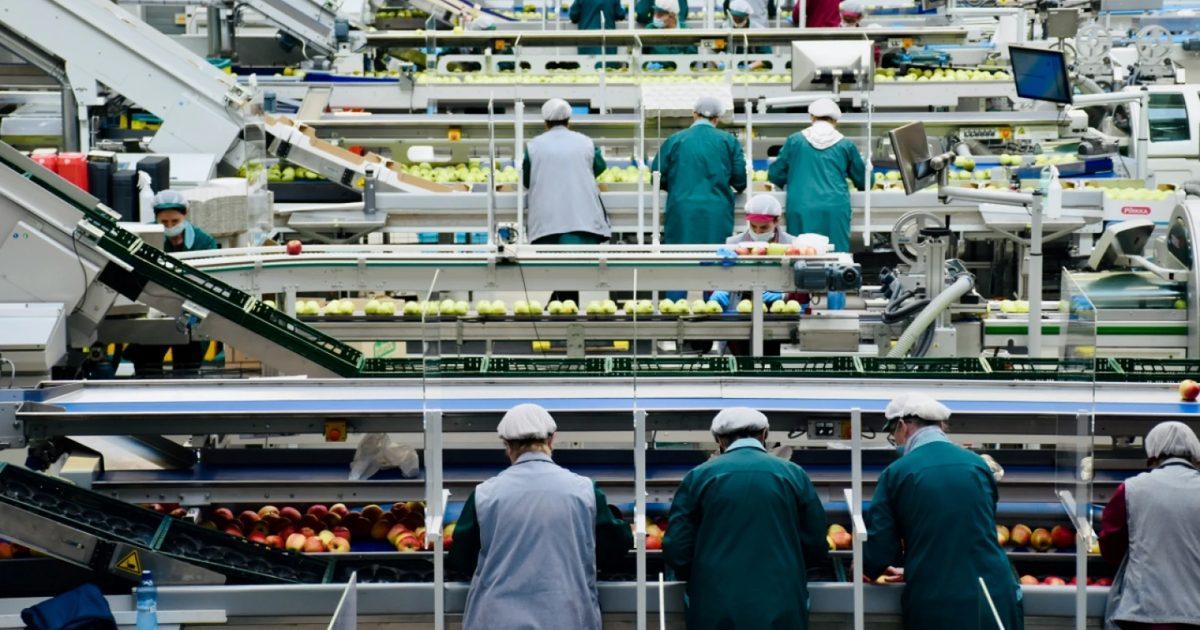
A comprehensive study by FSCI across 197 countries reveals that global food and agriculture systems are moving away from 2030 sustainability criteria, with increasing environmental risks.
Critical Picture in Global Food Targets
A comprehensive report prepared by the Food Systems Countdown Initiative (FSCI) shows that agricultural and food systems worldwide are significantly behind their 2030 targets. The study, conducted in collaboration with FAO, Johns Hopkins University, Cornell University, and GAIN, examined data from 197 countries. While positive progress was recorded in 22 out of 44 evaluated indicators, 15 indicators showed no significant change, and 7 indicators were found to have worsened. The systems were scrutinized across nutrition, environment, livelihoods, equity, and governance.
Agricultural Environment and Emission Risks
According to the FSCI report, while progress has been made in safe access to water and agricultural productivity, serious setbacks are occurring in environmental sustainability. Negative trends were identified in pesticide use, the cost of healthy diets, food insecurity, and greenhouse gas emissions. The research particularly highlighted emissions from agriculture and food, emphasizing that if current practices continue, no country will reach its zero emission target. The pressure of chemical inputs and resource waste continue to directly threaten the future of agricultural production.
Regional Progress and Performance Differences
Countries' alignment with targets varies regionally. New Zealand in Oceania, Tunisia in Africa, Iceland in Europe, Canada in the Americas, and Japan in Asia were the closest to the targets across 14, 16, 21, 17, and 16 criteria, respectively. It was calculated that the African region needs to achieve an annual improvement of over 20% in 16 different criteria, including food insecurity, agricultural water use, and public administration, to meet global benchmarks. The pace of transformation needed in Europe was observed to be more moderate compared to other regions.
New Production Vision Focused on Efficiency
Evaluating the report's findings, Kaan Sidar, Chairman of the Board of the Turkish Food Industry Employers' Association (TÜGİS), stated that success cannot be measured solely by harvest yields, saying:
"The reliability and nutritional value of the food produced, consumer access to this food, and the efficient management of water, energy, and raw materials used in production are also of great importance."
Pointing out that the current progress is insufficient, TÜGİS Chairman Kaan Sidar made the following assessment:
"If we act faster from today, it will be possible to reach most of the targets by 2050."
Sidar added that Turkish agriculture needs to utilize its infrastructure potential correctly.
Sustainable Food Summit and Solutions
Stating that Turkey can become resilient to fluctuations with its strong infrastructure, TÜGİS Chairman Kaan Sidar concluded his remarks by saying:
"We have a strong production infrastructure and many years of sector experience."
The future of the food and agriculture sector will be discussed at the 12th Sustainable Food Summit, organized jointly by TÜGİS and Sustainability Academy on December 24th. At the summit, held at Swissôtel The Bosphorus with the theme "Transformation for the Future of Food," critical topics such as regenerative agriculture, food economics, the climate crisis, supply chains, and water management will be discussed by experts.