


Food Inflation in Iran Nears 130% Mark
· Dünya Gazetesi
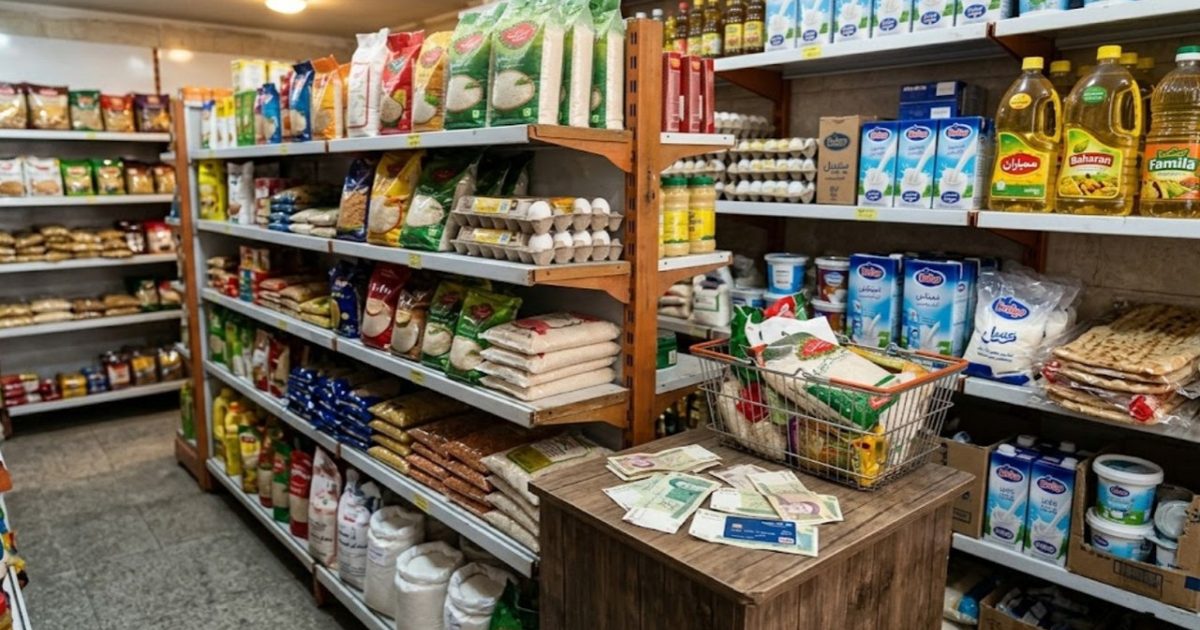
Amidst a war environment, sanctions, and a depreciating Rial, food inflation in Iran has reached 130%, prompting the introduction of installment payments for essential food purchases.
Record Increase in Food Prices
The ongoing war environment, international sanctions, and a sharp depreciation of the national currency have led to unprecedented price increases in Iran's food market. According to July data, while overall consumer inflation in the country was recorded at 87.9%, the annual increase rate in food prices has approached the 130% threshold. Despite a slight decrease in overall inflation, which hit a record high of 88.6% in June, the extraordinary cost of food items continues to completely erode household purchasing power.
Installment Shopping Era for Basic Food Items
With the rapid erosion of purchasing power, deferred payment systems, previously preferred only for white goods and electronics purchases, have now extended to supermarket aisles. Deferred payment solutions offered by companies like SnappPay and TechnoPay are now being extensively used to cover basic kitchen expenses. Supermarkets and retailers have incorporated food products into installment sales models, with many points of sale offering basic food and consumption packages in 4 to 8 installments.
Portions Shrink and Savings Dissipate on Dinner Tables
Due to deepening living costs, restaurants and eateries are opting to reduce serving portions rather than raise prices to balance rising input costs. Demand for cheap and discounted food items has surged among low-income families, while non-essential spending has come to a near standstill. Faced with unmet daily kitchen expenses, many households are forced to liquidate their personal gold savings, accumulated over many years as a means of saving, to finance their food purchases.
The Heavy Toll of War and Sanctions
The foreign exchange bottleneck and structural crises that the Iranian economy has long grappled with have transformed into a much graver situation with escalating regional conflicts and the contraction of external trade channels. According to official estimates previously shared by the Iranian administration, the total bill presented to the country's economy by the war has reached approximately $270 billion. A forecast report published by the International Monetary Fund (IMF) projects that the Iranian economy will contract by 5.4% in 2026, with annual consumer price increases expected to be 68.9%.
Food Aid and Future Expectations
As societal fragility deepens, the Tehran administration aims to expand social protection and food aid programs for low-income segments. However, with food inflation reaching triple digits, it is noted that the planned cash and in-kind support may prove insufficient against the erosion of real purchasing power. The trajectory of the country's agricultural supply chain and food prices will continue to be directly dependent on the duration of the war, the future of trade sanctions, the situation at border crossings, and the value of the Iranian Rial against foreign currencies.