


Engin Tarım Triples Apple Production After Frost Disaster
· Tarım Pusulası
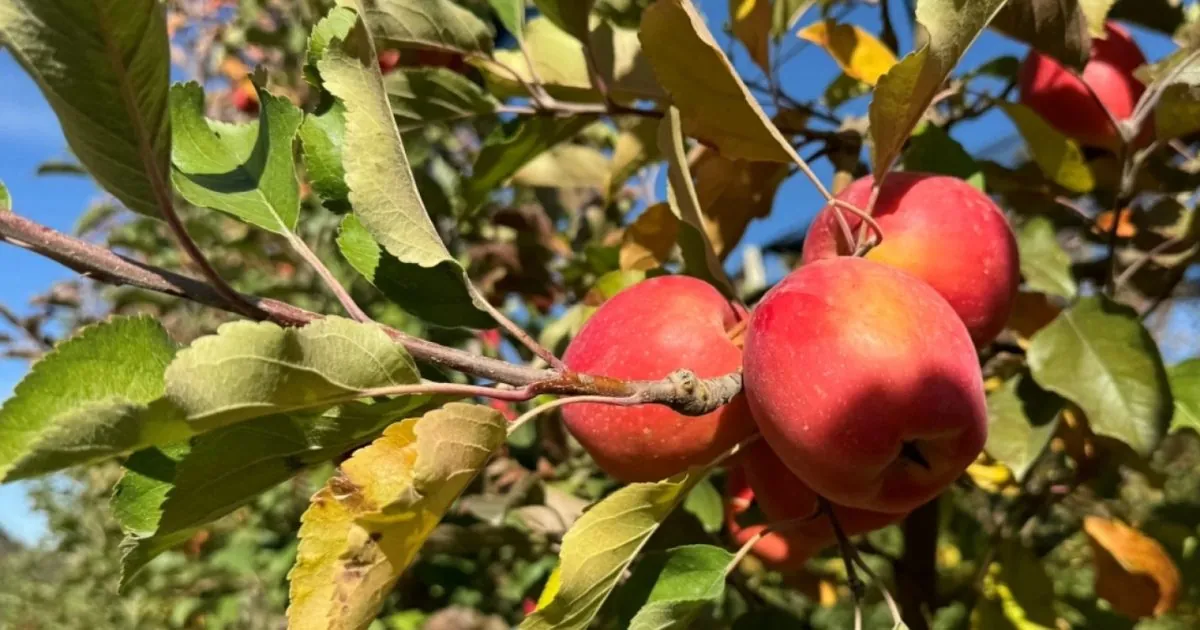
Following a devastating frost in 2025, Engin Tarım boosted its harvest to 45,000 tons in the 2026 season, exporting 70% of its production to over 25 countries with modern technology and storage infrastructure.
Record Increase in Harvest Following Frost
Engin Tarım, one of Turkey's leading fruit producers, achieved a significant success by increasing its apple production to 45,000 tons in the 2026 season, recovering from a low of 14,000 tons due to the agricultural frost disaster in 2025. The company's apple harvest thus saw an increase of more than threefold compared to the previous period. The operation, which engages in agricultural production on a total of 12,000 decares and has an annual processing volume of 75,000 tons, exports approximately 70% of its production. Company CEO Seyda Ertuğ stated that favorable weather conditions directly supported fruit development and quality, with the proportion of top-quality products reaching between 70% and 80% in the orchards.
Modern Technology and Production in Orchards
Engin Tarım cultivates varieties suitable for regional climate conditions in its apple plantations, spanning a total of 9,000 decares. While red apple varieties are dominant in the Karaman-based lands, green apple production for export is carried out on 1,500 decares in Çorlu, Tekirdağ. Drip irrigation infrastructure, sensors continuously monitoring soil moisture, and frost protection systems are actively implemented to ensure resource efficiency in production processes. The company optimizes water consumption with digital sensors and aims to preserve export quality from the orchard by preventing physical damage to fruits in the harvest and transportation chain.

Advanced Storage and Packaging Capacity
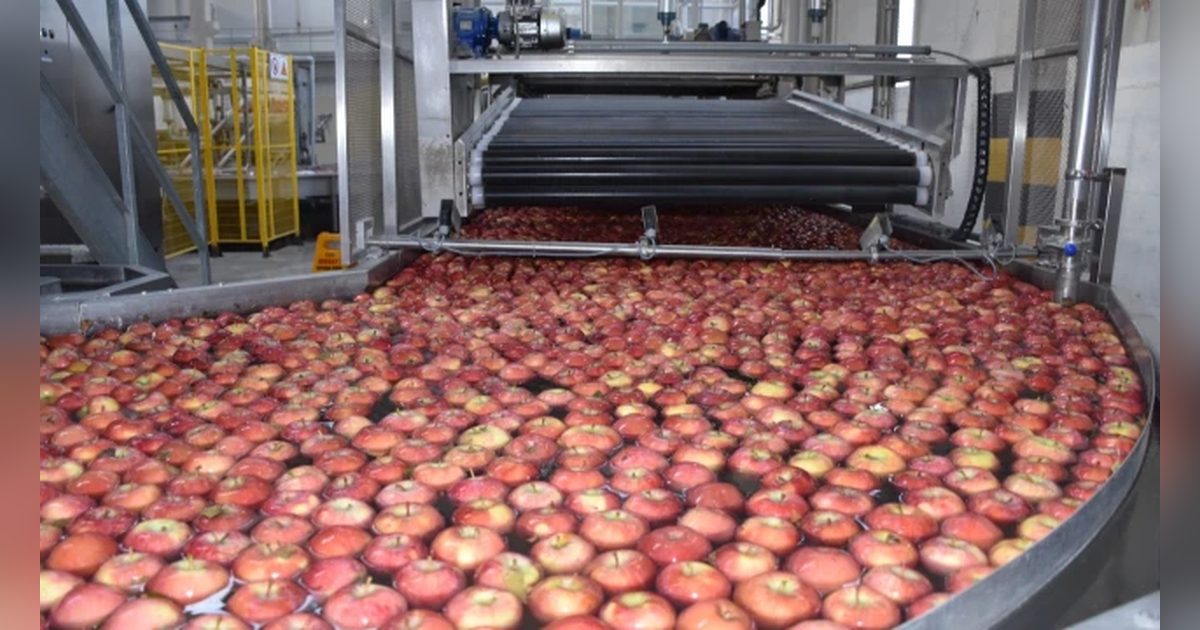
Continuing its storage investments to preserve fruit quality, the company has increased its total storage capacity to 55,000 tons and its daily product processing capacity to 470 tons. In the modern packaging facilities within the Karaman Organized Industrial Zone, apples are transferred to lines using the buoyancy of water to protect them from mechanical impacts. Products washed with special plastic brushes and polished with horsehair brushes along the line are classified by weight, diameter, and color characteristics using automatic optical systems. Meticulously boxed fruits are prepared and shipped to meet the consumer standards of both the domestic market and international buyers in different geographies.
Cold Chain Sensitivity and Employment
CEO Seyda Ertuğ emphasized the indispensability of the cold chain in preventing post-harvest economic losses, noting that spoilage rates for sensitive products like grapes, peaches, and blueberries can reach up to 30% due to inadequate cooling at the retail stage. The company, which also makes a significant contribution to regional employment, employs 420 people at its Karaman OIZ facilities and 250 people in the packaging unit. The total number of employees reaches 2,200 at the peak of the harvest and processing season. The company aims to spread employment throughout the year by expanding its product range to include pomegranates, dates, mandarins, and apricots.
Expanding Global Export Markets
Engin Tarım markets its produced and packaged products to over 25 countries, including India, Russia, the United Arab Emirates, Saudi Arabia, and Kenya, differentiating its products based on market demands. According to Seyda Ertuğ's statements, the Indian market demands larger fruits, African markets prefer smaller sizes, and Russia seeks lighter-colored varieties. Maintaining its effectiveness in the domestic market, the company signed a five-year supply contract with Migros for its registered Magic Star variety. The company is expanding its operations in the European market through a subsidiary established in the Netherlands two years ago and has successfully completed its first direct apple shipment.
International Investments and Domestic Mechanization
The organization, which accounts for 75% to 80% of Turkey's avocado imports, plans to establish its own avocado orchards in Kenya within three years to reduce import dependency, aiming to start harvesting within three years. In the apple orchard project in India, which has been ongoing for two years, the first harvest is expected next year, while ginger, sweet potato, and coconut trade are also being conducted. On the technology front, two different artificial intelligence software programs are being used. The company is collaborating with a Turkish manufacturer to localize imported harvesting machinery, and these machines, which will double harvest efficiency and halve labor needs, will soon be offered to farmers.
| Value | Period | Measure |
|---|---|---|
| 14000 tonnes | 2025 | 2025 apple harvest |
| 45000 tonnes | 2026 | 2026 apple harvest |
| 9000 decares | 2026 | Apple production area |
| 12000 decares | 2026 | Total production area |
| 75000 tonnes | 2026 | Annual total product volume |
| 70% | 2026 | Export rate |
| 25 countries | 2026 | Number of countries exported to |
| 80% | 2026 | Premium quality product rate |
| 1500 decares | 2026 | Tekirdağ Çorlu green apple area |
| 55000 tonnes | 2026 | Total storage capacity |
| 470 tonnes | 2026 | Daily processing capacity |
| 30% | 2026 | Product loss due to cold chain inadequacy |
| 420 people | 2026 | Number of employees in OSB facilities |
| 250 people | 2026 | Number of employees in packaging facility |
| 2200 people | 2026 | Total employment during harvest season |
| 80% | 2026 | Share in Turkey's avocado imports |
| 5 years | 2026 | Magic Star sales agreement duration |