


Dry Farming in Eskişehir Revolutionized Cereal Production
· GıdaTarım
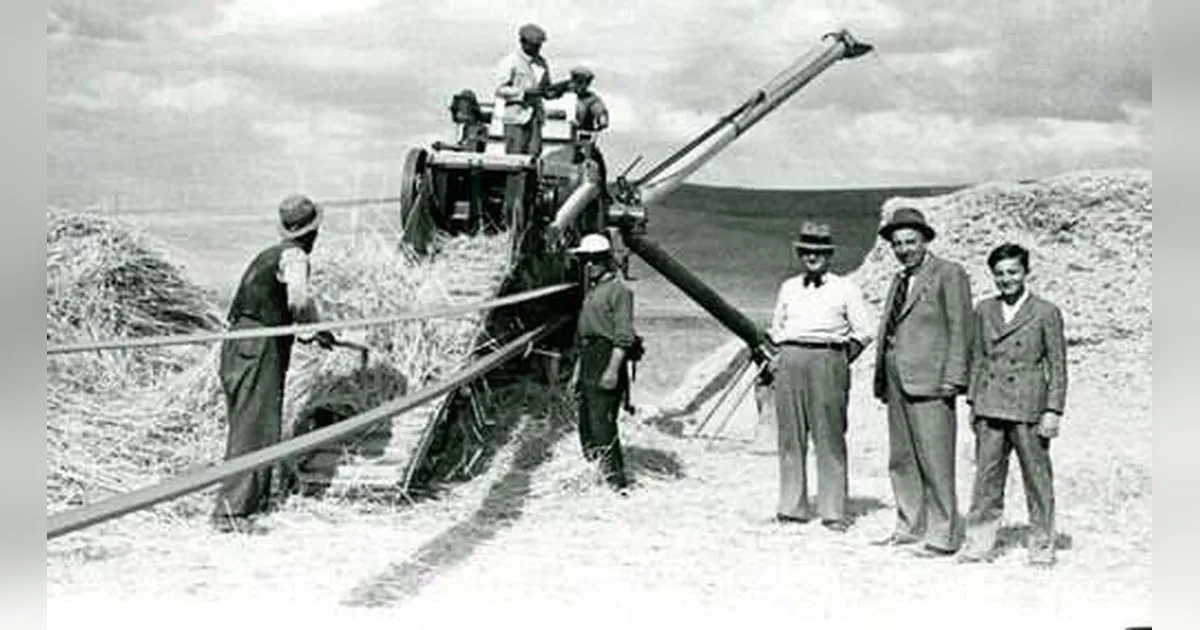
The dry farming system, implemented with natural rainfall without irrigation, played a decisive role in the Central Anatolian region's identity as Turkey's breadbasket.
Dry Farming and the Eskişehir Model
The dry farming system, applied without irrigation in arid and semi-arid regions, relying entirely on natural rainfall, marked a turning point in Turkey's grain production. While the Eastern Black Sea Region is prominent for tea cultivation, the Central Anatolian region gained its identity as a breadbasket for wheat and grains through this scientific approach. This method, first pioneered in the arid lands of Eskişehir, formed the basis for sustainable agricultural production in areas with limited water resources.
Ali Numan Kıraç and the Wheat Revolution
Ali Numan Kıraç served as the Director of the Dry Farming Experimental Station established at the foothills of Karacaşehir, Eskişehir, between 1931 and 1942. During this period, he developed innovative techniques to increase wheat yields in areas lacking irrigation facilities. This system, based on soil tillage and weed control, was closely monitored by international organizations, becoming an exemplary model for many countries and entering global literature.
A Pioneer Agricultural Engineer of the Republic
Born in 1897, Ali Numan Kıraç graduated from the Bursa Agricultural School in 1914 and subsequently undertook critical roles in supplying food to the army and in farmer training. Sent to the USA for agricultural education by Gazi Mustafa Kemal Atatürk, Kıraç worked as an expert at the Ankara Agricultural School and Gazi Farm. He was given the surname Kıraç by Atatürk in recognition of his successful work in Eskişehir.
Dry Farming Experiment Station Tenure
Source: Türk Tarım Orman Dergisi
- Tenure Period
- 1931-1942 Years