


Silent Desertification and the Geopolitics of Food: Towards a New Agricultural Contract
· Prof. Dr. Kemal Şahin
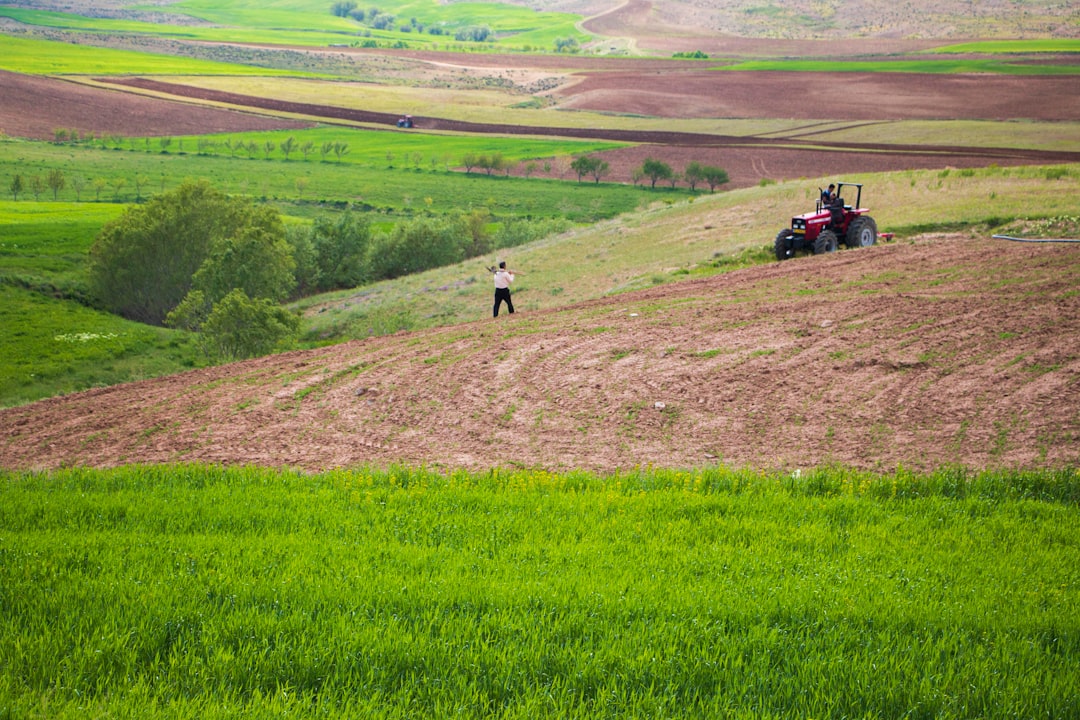
In an era of fragile global supply chains and acute water stress, food security is no longer merely a harvest metric, but a direct matter of national sovereignty. Turkey must urgently implement a bold and structural agricultural contract redefining the ecosystem from seed to table.
As we leave behind the first quarter of the 21st century, the greatest challenge facing humanity is neither the frontier of digitalization nor the volatility of financial markets. The real crisis lies in the silent depletion of soil and water, the very foundations of our existence. For decades, we lived under the illusion that global trade would flow uninterrupted and that capital alone could procure food from any corner of the earth. However, recent geopolitical conflicts, climate anomalies, and severe drought cycles have made the rise of food nationalism inevitable.
Food security is no longer merely a technical discipline for agronomists or economists; it is the most critical pillar of a nation's national security doctrine. A country that cannot produce its own seeds, manage its water basins rationally, and keep its farming population anchored to the land cannot claim full sovereignty. Even in a geography like Turkey, blessed with ancient agricultural basins, we face the grim reality of plunging groundwater tables, crushing input costs for farmers, and a rural demographic average age nearing 58.
What is urgently required today is not postponing systemic distress with short-term price supports or palliative subsidies, but a radical paradigm shift. The first step is to transform the principle of 'Water-Guided Agriculture' from political rhetoric into strict legal mandate. In regions under severe drought risk, such as the Konya Closed Basin, shifting away from water-intensive monoculture towards drought-tolerant legumes and localized seed varieties must be actively incentivized. Modernizing irrigation infrastructure into closed, drip-fed networks is no longer an option—it is an existential imperative.
The second vital pillar is achieving sovereignty in seed geopolitics. Our agricultural biodiversity is more valuable than any strategic asset. We must launch an aggressive breeding and registration campaign that blends Anatolia's millennial heirloom seeds with modern biotechnology, liberating smallholder farmers from the oligopoly of multinational seed giants. Our producers should share in the bounty of their land, not the recurring royalty fees of foreign patents.
Finally, we need a modern social contract to channel younger generations into agri-entrepreneurship. Unless rural areas are revitalized into thriving ecosystems with digital infrastructure, quality social services, and fair income distribution, we will soon have no one left to till the soil. We must bridge precision agriculture and smart farming with our brightest minds. Let us never forget: military power protects our borders, but only self-sustaining fields can guarantee the sovereign future of a nation.