


Global Food Prices Rise for Third Consecutive Month
· Bloomberg HT
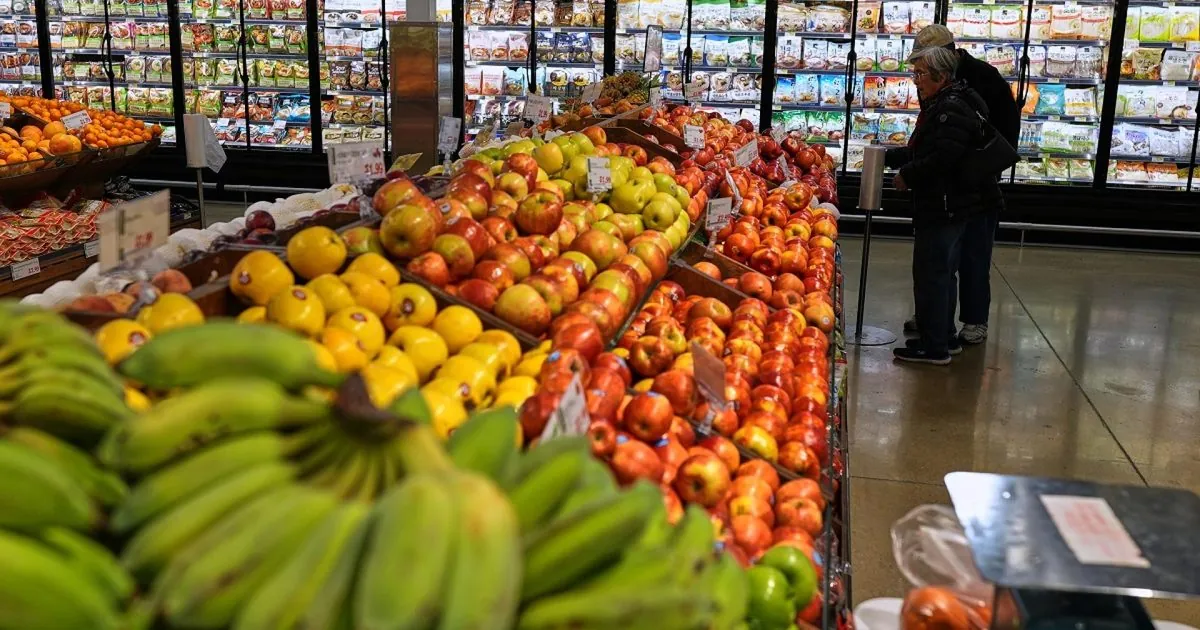
The FAO Food Price Index rose 1.5% in September to its highest level since November 2022, as global food giants prepare for new price hikes due to rising input and freight costs.
Three-Month Rise in Global Food Prices
Global food prices continued their upward trend for the third consecutive month in September, according to data released by the United Nations Food and Agriculture Organization (FAO). The FAO Food Price Index averaged 136 points in September, a 1.5% increase compared to the revised August level of 134 points. The index, which saw a 5.8% increase on an annual basis, reached its highest level since November 2022. Although the global food index remains 15.1% below its March 2022 peak, the upward trend is increasing unease in agricultural markets.
Supply Concerns in Sugar and Cereal Markets
According to FAO data, the sharpest increases in September occurred in the sugar and cereal groups. The FAO Sugar Price Index rose 6.1% month-on-month due to reduced production in Thailand, insufficient rainfall in India, excessive rainfall in Brazil, and shrinking sugar beet areas in the European Union. The cereal price index increased by 5.1%. Black Sea shipment restrictions and drought in North America pushed wheat prices up by 6.3%, while supply issues from the US and Brazil drove corn prices up by 5.6%. Vegetable oils increased by 0.9%, while meat fell by 1.1% and dairy products by 0.1%.
Input Cost Alarm for Food Giants
The surge in international commodity prices has put US-based major food producers under cost pressure. According to Bloomberg, General Mills reported that its projected input cost inflation for fiscal year 2027 is nearing the upper limit of the forecasted 4-5% range. The company aims to achieve at least $750 million in savings during this period and has put new price increases on the agenda to maintain budget balance. General Mills shares have lost 31% year-to-date, and the pressure of rising raw material prices on the company's profitability is deepening.
New Hikes Amid Freight and Energy Pressure
Another food producer, Conagra Brands, expects cost inflation to be at the upper end of the 5-6% range. The company stated that transportation costs have doubled from initial estimates due to driver shortages and high oil prices, and has begun directly increasing prices for its products. Conagra aims for efficiency savings exceeding 4% in its cost of goods sold, while McCormick has raised its annual cost inflation forecast to the 6-7% level. Conagra shares have fallen 23% and McCormick shares have dropped 34% since the beginning of the year.
Risk of Reflection on Market Shelves and Consumers
The direct reflection of rising global agricultural raw material prices on retail points of sale depends on certain stages. Final consumer prices are shaped by labor, processing, packaging, energy, and distribution margins in addition to raw material costs. However, the shrinking operating profit margins of producer companies necessitate new price hikes if cost-saving measures prove insufficient. It is predicted that if companies pass on cost increases to price tags, there could be a decrease in food demand and sales volumes.
Global Agricultural Commodity Price Changes in September
Food and Agriculture Organization of the United Nations (FAO)
- Sugar Price Index
- 6.1%
- Wheat Prices
- 6.3%
- Corn Prices
- 5.6%
- Cereal Price Index
- 5.1%
- Vegetable Oil Prices
- 0.9%