


Chicken Meat Production Curbs Rise in Protein Prices
· GıdaTarım
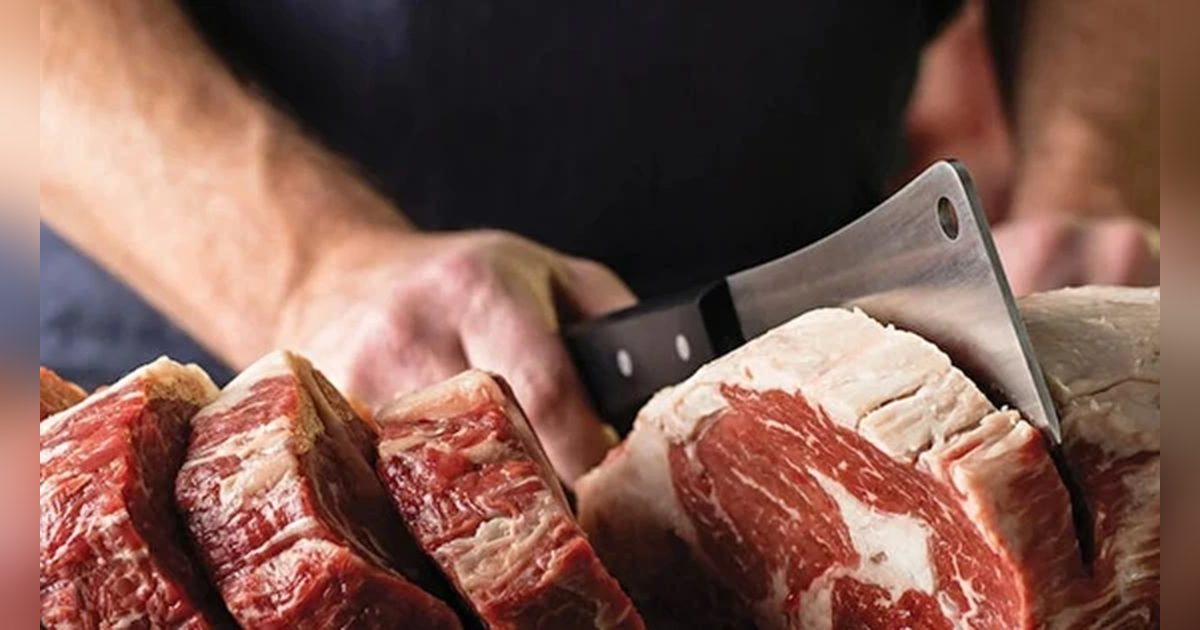
CBRT Governor Dr. Yaşar Fatih Karahan stated that despite a contraction in global red meat supply, record-breaking chicken meat production in Turkey has balanced price increases.
Inflation Report and Protein Divergence
The Central Bank of the Republic of Turkey (CBRT) held its third Inflation Report presentation of the year at the Istanbul Finance Center Campus. Speaking at the meeting, Governor Dr. Yaşar Fatih Karahan touched upon developments in meat and milk prices, which are significant components of food inflation. Karahan emphasized that protein supply security and price pass-through must be closely monitored, noting that meat prices are moving in line with global dynamics, while there is a divergence in dairy products.
Product Classification Differences in Price Indices
When tracking price movements between international markets and Turkey, institutional product classifications become prominent. The Food and Agriculture Organization of the United Nations (FAO) monitors animal proteins in two separate indices, meat and milk, including butter in the milk group. According to TurkStat data, butter is monitored under the fats and oils group in the international COICOP system. This methodological difference plays a decisive role in interpreting global and local price pass-through.
Record Increase in Chicken Meat Production
According to TurkStat data, the annual price increase in the meat group within the consumer price index has shown a horizontal trend around 37.8% for the last three months. While the red meat price index is pushing upwards, the increased supply of white meat is limiting the rise. TurkStat data shows that chicken meat production in Turkey reached a record level of 1.4 million tons in the first six months of the year. This strong increase in production serves as a significant buffer in the market by meeting consumers' protein demand.
Contraction in Global Red Meat Supply
There is a significant supply crunch in the global red meat market. According to FAO data, the FAO Meat Price Index reached a historic peak of 131.3 points in June, based on US dollars. The cattle herd in the US has fallen to its lowest level in 75 years. Evaluating the developments, US National Economic Council Director Kevin Hassett made the following assessment about the market situation:
"astonished"
Brazil, Australia, New Zealand, and Argentina are prominent in closing the gap.
Foreign Trade Quotas and Price Expectations
The country-specific protectionist quotas implemented by China at the beginning of 2026 and the 55% additional tariff on exceeding quotas have directly impacted global meat trade markets. Exporting countries accelerated their shipments to China in the first half of the year to fill their quotas. With quotas being filled by mid-year, trade speed is expected to stabilize in the second half of the year, leading to a limited easing in global red meat prices.