


Underground Resources in Asia's Water Tower Sound Alarm
· Dünya Gazetesi
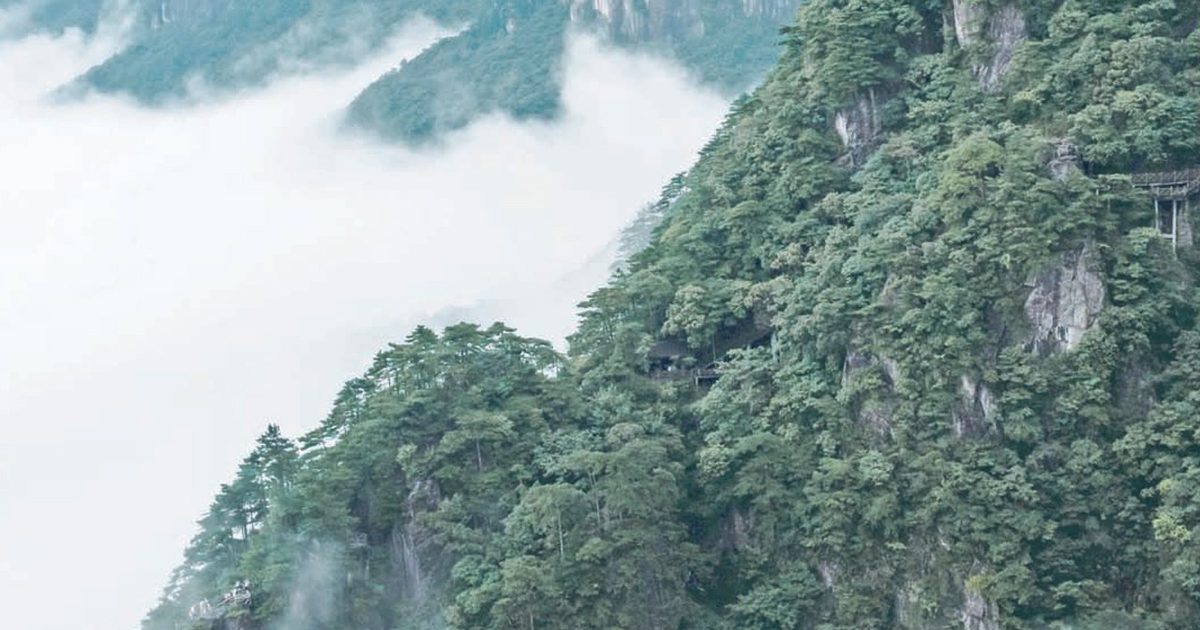
Groundwater reserves in the high Asian mountains are declining by an average of 24.2 billion tons annually, posing a crisis that threatens the food security of billions.
Hydrological Crisis in Asia's Water Tower
Under the pressure of the global climate crisis and uncontrolled agricultural irrigation, the high Asian mountains are experiencing one of the most severe hydrological collapses in their history. The Asian continent, home to approximately 40 percent of the world's global gross domestic product and more than half of the world's population, is facing a major water crisis that profoundly shakes ecological and economic balances. This vast geography, stretching from the Tibetan Plateau to the Himalayas and referred to as the 'Water Tower of Asia,' feeds river systems that billions of people directly depend on. However, the latest scientific data published concretely proves that this natural water reservoir has entered a critical depletion process in its underground reserves.
Artificial Intelligence and Satellite Data
A comprehensive study led by the Aerospace Information Research Institute, Chinese Academy of Sciences (AIRCAS) and published in the journal Environmental Research Letters clearly reveals the extent of underground losses. Satellite data from the last two decades, Earth system modeling, and artificial intelligence analyses show that groundwater storage beneath the high Asian mountains is decreasing by an average of 24.2 billion tons annually. According to the research findings, approximately two-thirds of the region studied between 2003 and 2020 experienced significant water loss. This situation poses a massive economic risk of trillions of dollars for agricultural production across Asia.
Human Pressure in Critical Agricultural Basins
Among the areas with the most intense and devastating groundwater extraction are the region's densely populated agricultural production basins. Groundwater losses have peaked in the Ganges-Brahmaputra, Indus, and Amu Darya river basins. The research states that while climatic factors account for about half of the water losses, the remaining portion is directly caused by uncontrolled human use and excessive agricultural irrigation. Unplanned extractions, which accelerated particularly after 2010, completely exceed the natural replenishment capacity of groundwater reserves, hindering the sustainability of agricultural irrigation.
Misleading Buffer Effect of Glacial Melt
Rising global temperatures are accelerating glacial melt in high mountainous regions, temporarily boosting river flows. Researchers predict that this additional water flow from melting glaciers may mitigate the rate of groundwater decline until the 2060s. However, experts point out that this process creates a misleading buffer effect that merely postpones the crisis. After 2060, with the complete depletion of meltwater resources, water losses in river basins are expected to occur much more rapidly and devastatingly.
Scientific Team Issues Urgent Change Warning
Professor Shudong Wang, leader of the AIRCAS Research Team, who led the study, made the following assessment of the situation on the ground:
"Due to the challenging mountainous terrain and limited field data in the region, it has been extremely difficult to fully measure changes in groundwater until now. With the AI-supported modeling we developed, we have clearly revealed the changes over the last 20 years. The results show that in addition to climatic factors, human-induced irrigation pressure, which has increased particularly since 2010, is rapidly depleting groundwater. The temporary relief from glacial melt until 2060 should not mislead anyone. If we do not make urgent changes in water use, losses will increase exponentially."
Threat to Regional Food Security
The rapid depletion of water in the river basins, considered Asia's primary food granaries, directly endangers the future of hundreds of millions of people in more than a dozen countries. The modeling developed by AIRCAS researchers by mapping 20 years of data between 2003-2020 shows that the food and freshwater supply security in the region has reached a breaking point. Limited water increases in the high-altitude interior cannot balance the massive agricultural consumption in the lower basins. Urgent and comprehensive reforms in agricultural irrigation policies are necessary to protect groundwater reserves and prevent the risk of regional famine.