


Most Natural Lakes in Turkey Face Drying Threat
· BBC News
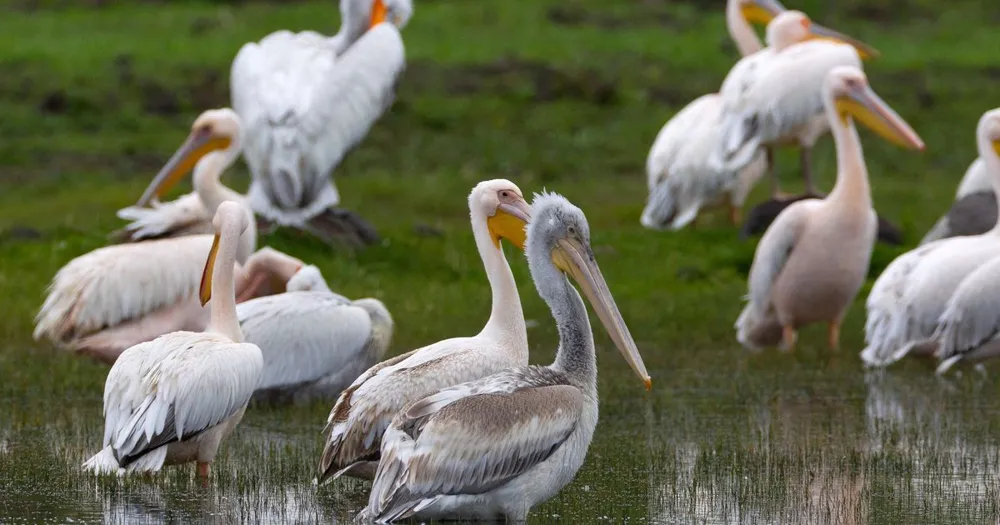
186 out of 240 natural lakes across Turkey have completely dried up, with wetlands in Eastern Anatolia reaching a critical threshold due to agricultural water consumption, illegal wells, and dam projects.
The Disappearance of Lakes and the Ecological Crisis
Unplanned and unconscious use of water resources across Turkey, coupled with deepening climate change, is leading to the unprecedented disappearance of natural wetlands. According to scientific research and compiled data, 186 out of 240 natural lakes within the country's borders have completely dried up. Approximately 80% of existing water resources have been consumed excessively and uncontrollably. This severe situation directly threatens the sensitive ecosystems in the Eastern Anatolia Region, which serve as a vital stopover point on intercontinental global bird migration routes. The rapid drying of wetlands in the region, turning them into dust bowls, directly risks the future of migratory and resident bird species whose populations are declining daily on a global scale.
A Difficult Nature Struggle at Lake Aktas
Lake Aktas, located on the border between Turkey and Georgia, continues to be one of the few natural areas resisting the intense ecological destruction and drought experienced in the region. Ecology expert and ornithologist Prof. Dr. Çağan Hakkı Şekercioğlu regularly monitors rare species such as coots, pelicans, and the critically endangered sociable lapwing, which inhabit the lake on cold autumn mornings, through his binoculars from the field. Emphasizing the region's unique ecosystem and its value, Prof. Dr. Çağan Hakkı Şekercioğlu, President of the KuzeyDoğa Association and Ecology Expert, highlights the situation in the field with the following words:
'This is the last lake where tufted and great white pelicans continue to visit together in Turkey.'
A Critical Refuge on Migration Routes
The village of Kenarbel, located in close proximity to Lake Aktas, and the military base situated on the border line, provide de facto natural protection for migratory bird populations by limiting human pressure. The inability of motorized or non-motorized boats to freely navigate the lake surface for border security reasons, and the prohibition of picnics or similar recreational activities on the islands within the lake, play a key role in protecting wildlife. According to data from the KuzeyDoğa Association, these wetlands in Northeast Anatolia host 68% of all bird species recorded in Turkey. These areas not only serve as a habitat for local fauna but also act as an indispensable stopover point for birds to feed and rest along the vast migration corridor between Europe and Africa.
Measures Taken Against the Highway Threat
During the planning and design phase of the international highway extending to the Georgian border crossing, the risk of noise and light pollution from heavy vehicle traffic seriously disturbing migratory birds was raised. In response to this threat, the expert team of the KuzeyDoğa Association officially proposed to the authorities that the highway route be shifted at least 1 mile away from the lake shore and that special protective barriers be constructed to prevent migrating birds from colliding with moving vehicles. With the acceptance of this scientific proposal by the General Directorate of Highways, protective barriers were installed along the roadside, ensuring the safe takeoff of birds. Prof. Dr. Çağan Hakkı Şekercioğlu, President of the KuzeyDoğa Association and Ecology Expert, who conveys the success of the conservation efforts, evaluates the process as follows:
'This is one of the few happy stories in bird conservation.'
Establishment Process of the Aras Bird Station
The Aras Bird Research Station, established in Iğdır province in 2006 to monitor bird movements on the Caucasus-Eurasia global migration route, is the first scientific bird-ringing center in the Eastern Anatolia Region. The station, brought to life under the leadership of Prof. Dr. Çağan Hakkı Şekercioğlu, ensures the monitoring of wetlands on the border line and bird populations passing through the region according to international standards. While populations of nearly two-thirds of bird species worldwide are recorded to be declining, the Aras Bird Station produces strategically important data on biodiversity at an international level. Researchers and volunteer teams from different countries around the world continuously conduct observation, data collection, and scientific bird-ringing activities in the Aras River basin at regular intervals each year.
Drought and Desertification Across Turkey
Turkey faces the threat of entering a period of severe drought by 2030 due to rising air temperatures and significantly reduced rainfall patterns resulting from the global climate crisis. Scientific climate modeling clearly indicates that 88% of the country's lands carry a high risk of desertification. Wetlands, which are critically important for biodiversity, especially in the Eastern Anatolia Region, are among the most severely affected areas by this widespread drying and water loss trend. The unplanned consumption of groundwater reserves, excessive water use in agricultural irrigation, and climate pressure are rapidly pushing aquatic ecosystems towards an irreversible drying process.
Dramatic Water Loss at Kuyucuk Lake
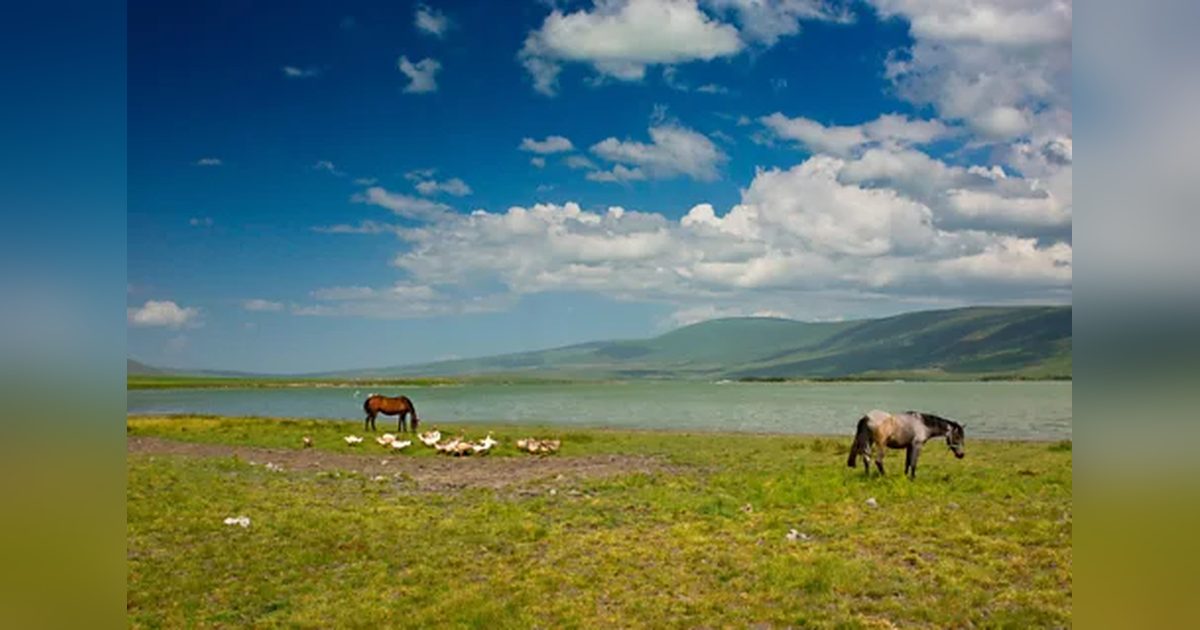
Kuyucuk Lake, covering 2.2 square kilometers and located 77 kilometers south of Lake Aktas and very close to the Armenian border, represents the most poignant picture of drought and human intervention in the region. Prof. Dr. Çağan Hakkı Şekercioğlu, President of the KuzeyDoğa Association and Ecology Expert, who visited Kuyucuk Lake for the first time in 2004 and described the immense biodiversity he encountered, conveys the lake's past importance with the following data:
'We counted over 40,000 birds in an area of 2.2 square kilometers, half of which were common shelducks. At that time, the estimated global population of common shelducks was 170,000. So, 12% of the world's population was in this tiny lake.'
Agricultural Water Withdrawal and Destruction
While the water depth of Kuyucuk Lake was recorded as 13 meters in 1997 measurements, it receded to 4.5 meters in the initial years of conservation efforts and dramatically to 1 meter by 2010. Prof. Dr. Çağan Hakkı Şekercioğlu, President of the KuzeyDoğa Association and Ecology Expert, who witnessed this sharp decline in the lake's water level, expresses his observations from that period as follows:
'I realized then that the lake was truly receding. I never thought it would completely disappear, but I said, 'Okay, this situation is very serious.''
The primary factors behind this dramatic drying of Kuyucuk Lake have been the makeshift illegal dams constructed by producers living in surrounding villages across the natural streams feeding the lake to water their livestock, and the uncontrolled illegal deep boreholes drilled for agricultural irrigation.
Emergency Intervention with a Water Well
To prevent Kuyucuk Lake from completely disappearing from the map and drying up, the local governorship was persuaded, and a deep emergency water well was drilled as part of an urgent intervention, pumping water to the lakebed. Simultaneously with this emergency action plan, KuzeyDoğa Association officials held direct meetings with villagers in the region, removing the illegal dams blocking the streams feeding the lake and ensuring the water flowed in its natural course. Prof. Dr. Çağan Hakkı Şekercioğlu, President of the KuzeyDoğa Association and Ecology Expert, who evaluates the challenging process and the current situation, describes the nature of the intervention with the following words:
'It's no longer a lake, but a wetland, and it hasn't turned into pure dust. Conservation efforts are like this; I just have to keep hoping and trying.'
Experts state that this intervention, involving pumping water from underground, is not a permanent solution but provides only temporary life support, akin to chemotherapy for a critical patient.
Field Details of Bird Banding Operations
With the first light of dawn, the volunteer research team, donning their muddy overalls within the Aras Bird Research Station, checks the special mist nets in the field hourly, collecting the birds caught in the nets without causing them harm. Ayşenur Akgün, one of Turkey's few certified expert banders, meticulously records the wing length, body weight, fat content, and sex of each collected bird, attaching standard scientific bands to their legs. Sensitive species endemic to the region, such as the rock pipit, wood warbler, and garden warbler, are released back into their natural habitats after being meticulously recorded. These continuous field studies provide indispensable scientific data for mapping biodiversity under the challenging climatic and geographical conditions of the Eastern Anatolia Region.
Tuzluca Dam Project and Risks
One of the most significant current infrastructure threats to the ecological balance in the region is the Tuzluca Dam project planned for construction within the Iğdır borders. It is stated that the dam project, for which a construction site has been established, will completely submerge the Aras Bird Research Station as well as three surrounding villages. Prof. Dr. Çağan Hakkı Şekercioğlu, President of the KuzeyDoğa Association and Ecology Expert, who points to the inevitable ecological risks brought about by the dam construction, expresses the legal and practical dimensions of the process as follows:
'The construction process will take five years; therefore, we continue to talk, negotiate, and hope this won't happen, but there's nothing we can do legally.'
In response, public authorities have announced that artificial islets have been included in the project plans to protect the aquatic and terrestrial ecosystem in the dam area.
Nature Balance with Water Management
Officials from the Branch Directorate of Nature Conservation and National Parks and the Regional Representative, advocating for the ecological balance approach in the Tuzluca Dam project, express the conservation plan prepared with the following words:
'We conducted the necessary environmental studies. We looked at similar projects and what they did. There were people working specifically to ensure birds were not harmed. Then we decided to build artificial islands. These will be built, and the dam will create its own new system where all animals will live.'
Prof. Dr. Çağan Hakkı Şekercioğlu, President of the KuzeyDoğa Association and Ecology Expert, who emphasizes the historical conflict between increasing human water demand and the protection of natural ecosystems, and political choices, continues his warning with the following statements:
'Telling people 'I'm saving this water for the ducks' won't get you the most votes; you'll lose.'
Prof. Dr. Çağan Hakkı Şekercioğlu, President of the KuzeyDoğa Association and Ecology Expert, who draws attention to the socio-political pressure on decision-makers regarding the allocation of natural resources, concludes his remarks as follows:
'You won't get the most votes by telling people 'I'm saving this water for the ducks'; you'll lose.'
| Value | Period | Measure |
|---|---|---|
| 4/5 ratio | Present | Rate of drying lakes |
| 186 units | Present | Number of natural lakes dried |
| 240 units | Present | Total number of lakes examined |
| 80% | Present | Share of water resources drawn |
| 88% | Present | Area at risk of desertification |
| 68% | Present | Share of bird species richness in the region |
| 2/3 ratio | Present | Rate of declining bird species globally |
| 40000 units | 2004 | Number of birds counted in Kuyucuk Lake |
| 12% | 2004 | Global share of ruddy shelduck in Kuyucuk Lake |
| 170000 units | 2004 | Global ruddy shelduck population |
| 13 meters | 1997 | Kuyucuk Lake depth (1997) |
| 4.5 meters | 2004 | Kuyucuk Lake depth (start) |
| 1 meter | 2010 | Kuyucuk Lake depth (2010) |
| 2.2 km² | 2004 | Kuyucuk Lake surface area |
| 77 km | Present | Distance between Aktaş and Kuyucuk |
| 5 years | Future Plan | Tuzluca Dam construction period |