


Fig Harvest Begins in Manisa's Demirci District
· NTV Ekonomi
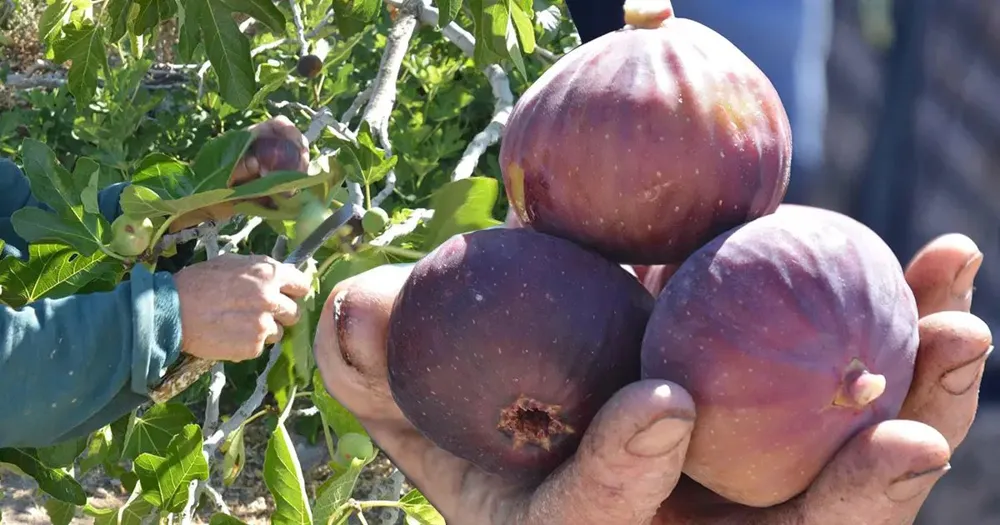
The fig harvest season has commenced in Manisa's Demirci district, covering 415 decares of land dedicated to black and yellow figs, with an expected yield of 185 tons.
Fig Harvest Begins in Demirci
The harvest season for black and yellow figs, a primary source of livelihood for producers in Manisa's Demirci district, has begun. Farmers in the Boyacık, Mezitler, Alaağaç, Ayvaalan, Ahmetler, and Hırkalı neighborhoods are collecting their produce from the first light of dawn. To preserve freshness, the figs are picked from the branches in the early hours, meticulously sorted by size and quality, and then packed into crates. The harvested crop, collected during a harvest marathon expected to last approximately two months, is directly delivered to consumers through wholesale merchants and at local markets in surrounding districts.
Yield Expected to Reach 185 Tons
Demirci District Director of Agriculture and Forestry, Faruk Şenyurt, provided the following information regarding the region's production potential:
'An average annual yield of 185 tons is obtained from 12,310 fig trees spread across 415 decares of land within the district. We conduct regular training sessions on tree planting and care through our agricultural engineers to promote fig production in our region and provide additional income to our farmers.'
In Boyacık Mahallesi, the area with the most intensive production in the district, the season's rainfall has boosted yields.
Natural Cultivation Without Chemicals
Sabri Erdem, who cultivates on a five-decare farm, explained the process, stating their complete avoidance of chemical inputs:
'We absolutely do not use synthetic fertilizers or chemical pesticides; we only opt for organic animal manure when needed. We harvest the fruits that ripen in August and September and sell them to wholesalers or at the market. Our harvest marathon continues until November.'
Producer Erdem noted that they carry out garden maintenance in April and that the harvest gained momentum in September.
Increased Yield Through Traditional Pollination Methods
Lütfü Karatekeli, one of the producers continuing the ancestral profession, shared their cultivation methods:
'We learned this trade from our grandfather and father. We grow our two types of figs, black and yellow, using entirely natural methods. During the winter months, we cultivate the soil around the base of the trees and perform pruning and plowing operations.'
Karatekeli explained the 'ilekleme' method, where wild figs are hung on the trees in June for fruit set, enabling natural pollination via flies, and allowing them to receive fresh produce until the end of November.Value Period Measure 415 decares 2026 Fig production area 12310 units 2026 Number of fig trees 185 tonnes 2026 Annual average yield expectation 5 decares 2026 Producer land size