


Karacadağ Rice Strengthened by Volcanic Soil and Snowmelt
· GıdaTarım
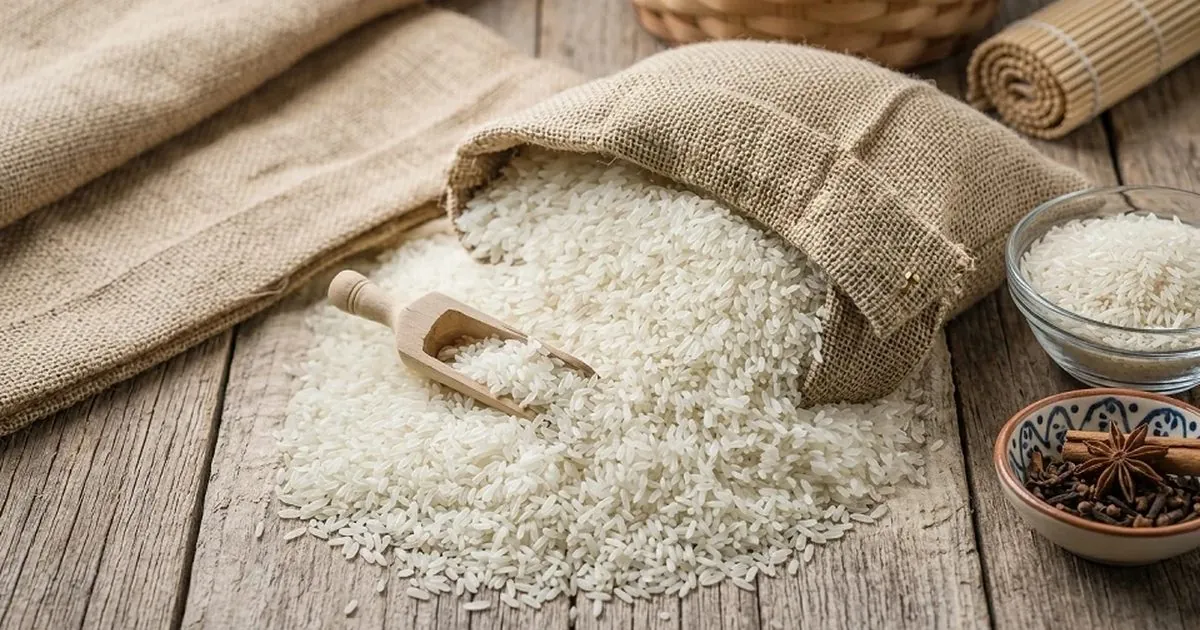
Grown in basaltic lands on the borders of Şanlıurfa and Diyarbakır with melting snow waters, Karacadağ rice stands out from standard varieties with its rich mineral content and durable, non-mushy grain structure.
Karacadağ, a volcanic massif rising between the borders of Şanlıurfa and Diyarbakır, hosts a registered rice production unique to the region. Karacadağ rice, grown in the stony and basaltic lands of the dormant volcano, reaches high nutritional value thanks to the minerals such as magnesium, iron, and phosphorus contained in the soil. This geographically indicated variety, with its medium-sized, matte appearance, and hard grain structure, distinguishes itself from standard rice by incorporating the rich mineral structure of the volcanic terrain and its light nutty aroma.
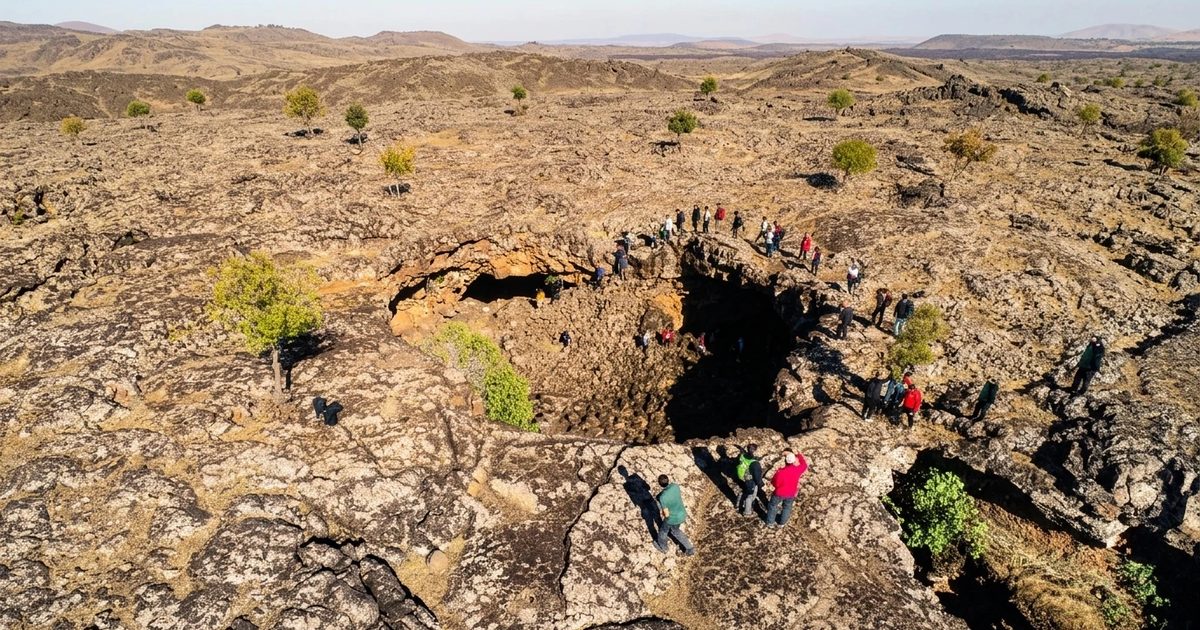
Unlike conventional rice production, Karacadağ rice, irrigated by cold streams formed by melting snow waters instead of stagnant or warm water pools, shows high adaptation to harsh continental climate conditions. The cold water regime strengthens the starch texture of the grains, completely preventing breakage and mushiness during cooking. Thanks to its high water absorption capacity, the product, which does not disintegrate while cooking and remains granular, maintains its freshness when stored, creating a difference for both producers and consumers with its slow staling property.