


Strait of Hormuz Tensions Threaten Global Grain Prices
· Dünya Gazetesi
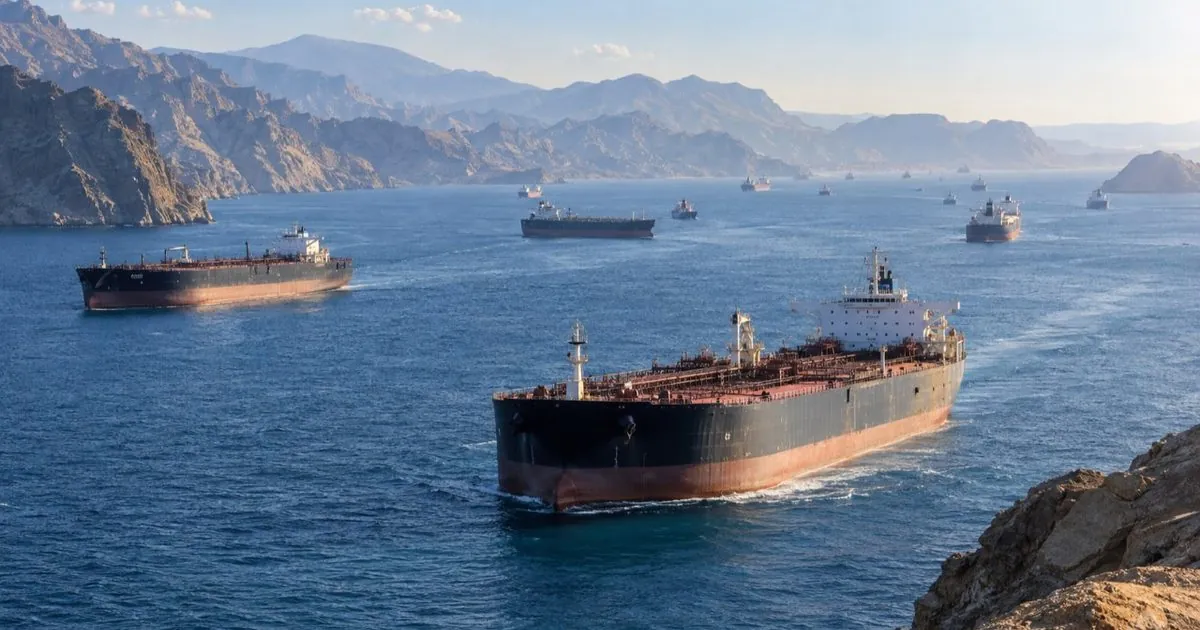
A 40% drop in global fertilizer capacity due to tensions in the Strait of Hormuz has led to warnings of an up to 80% surge in grain prices.
John Denton, Secretary-General of the International Chamber of Commerce (ICC), stated in an assessment to The Wall Street Journal that the tensions between the US and Iran are negatively impacting trade in the Strait of Hormuz. Denton emphasized that while the oil market receives focus, the real major risk lies in the fertilizer sector, reminding that approximately one-third of the world's fertilizer shipments pass through this strait. It was reported that usable fertilizer capacity has decreased by 40% as a result of the disruptions, and a total of 2.7 million tons of fertilizer volume has been withdrawn from the market.
John Denton, who is part of the task force established within the United Nations to resolve the crisis, announced that sharp increases of up to 80% in grain prices could be observed if the logistics bottleneck continues. It was stated that this rise in input costs would particularly challenge developing countries. Countries like the Philippines, which meet about 90% of their fertilizer needs through imports, were noted as being among the most vulnerable markets to these supply chain disruptions and cost increases.
The International Chamber of Commerce pointed out that the factors threatening global food security are not limited to the Strait of Hormuz. It was stated that the ongoing war between Russia and Ukraine continues to exert pressure on the Black Sea grain corridor. Additionally, adverse weather conditions attributed to El Niño are negatively affecting agricultural yields worldwide, and it was emphasized that all these factors combined could trigger a global supply crisis for basic food products.
Impact Rates of the Hormuz Crisis on the Agriculture and Food Sector
Source: ICC
- Decrease in available fertilizer capacity
- 40%
- Expected increase rate in grain prices
- 80%
- Philippines' fertilizer import dependency
- 90%