


Black Sea Shipping Crisis Pushes Feed Prices Up Again
· Dünya Gazetesi
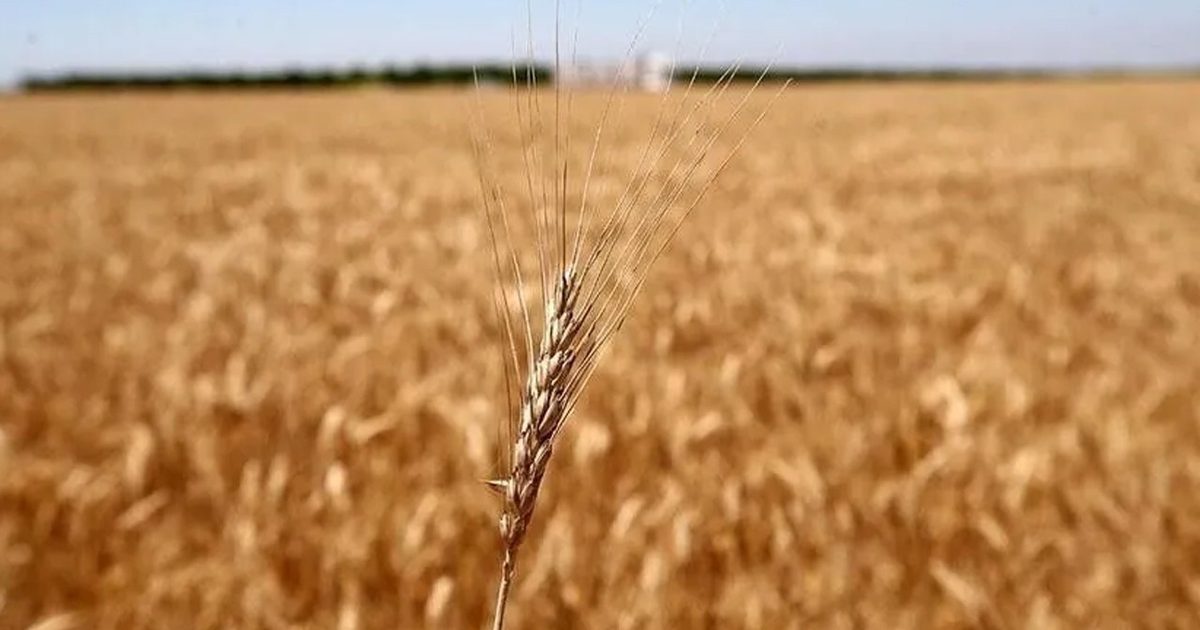
The blockade of ports in the Black Sea and Sea of Azov is disrupting the supply of feed raw materials, prompting industrialists to call for a second grain corridor led by Turkey to prevent price hikes.
Attacks in the Black Sea Halt Shipments
Escalating attacks on ports and commercial vessels since July 10 in the war between Ukraine and Russia have brought grain trade in the Black Sea and Sea of Azov basins to a standstill. The suspension of traffic in the Don-Azak Canal and the rejection of passage requests through the Kerch Strait have locked down maritime transport in the region. In early August, attacks on Turkish-owned ships and the resulting crew casualties pushed security risks to their peak. Due to rising war risk insurance premiums, shipowners have suspended voyages in the region, and the inability of products to leave ports has caused disruptions in the global commodity and raw material supply chains.
Critical Import Ratios for Feed Raw Materials
Turkey procures 72% of the raw materials needed by its feed industry from the Russian and Ukrainian markets. According to official 2025 data, Turkey imports 98% of its wheat, 97% of its sunflower seed meal, and 86% of its corn from these two countries. During the same period, import dependency stands at 84% for wheat bran, 62% for barley, 25% for soybeans, and 21% for soybean meal. The disruption of shipments for these products, which form the backbone of feed rations, directly impacts the supply plans of domestic producers.
Prices Revert to May Levels
M. Ülkü Karakuş, Chairman of the Board of the Turkish Feed Manufacturers Association (TÜRKİYEM-BİR), stated that they had reduced feed prices twice between the end of May and July 10, but with the halt in ship departures, prices have risen again to May levels. TÜRKİYEM-BİR Chairman M. Ülkü Karakuş made the following assessment on the matter:
'If the war had not turned towards commercial ships and ports, we expected feed prices to continue to fall, influenced by the high harvests.'
It was noted that the current situation is not due to a harvest deficit but a physical logistics blockade, and that costs are directly reflected in prices.
Sector Demands a Second Grain Corridor
Pointing to Ankara's diplomatic power for the safe departure of ships waiting at ports, TÜRKİYEM-BİR Chairman M. Ülkü Karakuş conveyed the sector's demand with the following words:
'We urgently request that our high authorities undertake the necessary diplomatic initiatives on behalf of our sector to ensure the safe departure of ships loaded and waiting in the Sea of Azov, and to establish a second grain corridor under Turkey's leadership that guarantees the navigational safety of commercial civilian vessels. Turkey demonstrated its success in establishing this corridor in 2022, making a historic contribution to global food security. Today, it is the only country capable of achieving this.'
High Harvest and Export Expectations
According to TÜİK's first estimate, domestic grain production is expected to increase by 21.7% to 41.6 million tons. Stating that the on-the-ground harvest expectation is 25 million tons for wheat and 10 million tons for barley, TÜRKİYEM-BİR Chairman M. Ülkü Karakuş emphasized value-added production:
'We see the most rational way to benefit our country with foreign currency by converting this high harvest and stock not into raw materials, but into value-added plant and animal products. Therefore, we expect the lifting of export restrictions on all agricultural products, especially flour, feed, pasta, poultry meat, and eggs. Losing markets gained over years with great effort to rival countries will be an irreparable loss.'
Impact of the Logistics Crisis on Animal Husbandry
Summarizing the impact of the regional maritime transport crisis on the markets, TÜRKİYEM-BİR Chairman M. Ülkü Karakuş made the following statement:
'Following Russia's attacks on ships in Ukraine's Sea of Azov, Russia temporarily halted traffic in the Don-Azak Canal, and passage requests through the Kerch Strait are not being accepted. Throughout July, intensified attacks by Russia on maritime targets in the Black Sea and Sea of Azov led to disruptions in grain exports and increased risks in global commodity transportation. In early August, Turkish-owned ships were also attacked, unfortunately resulting in crew casualties. Rising security risks in the Black Sea are increasing war risk insurance premiums, while some carriers have suspended their operations in the region. These developments pose an upward risk to raw material supply and freight costs in the coming period, given Russia and Ukraine's weight in global grain and oilseed trade. I want to emphasize: there is no supply crisis, the problem is that the product cannot leave the port. This is reflected in the prices.'
This increase in feed inputs raises the costs for cattle, sheep, and poultry farms, pushing up the prices of meat, milk, and eggs.