


Paraguay Increases Live Cattle Transport Fees by 25%
· Tarım Pusulası
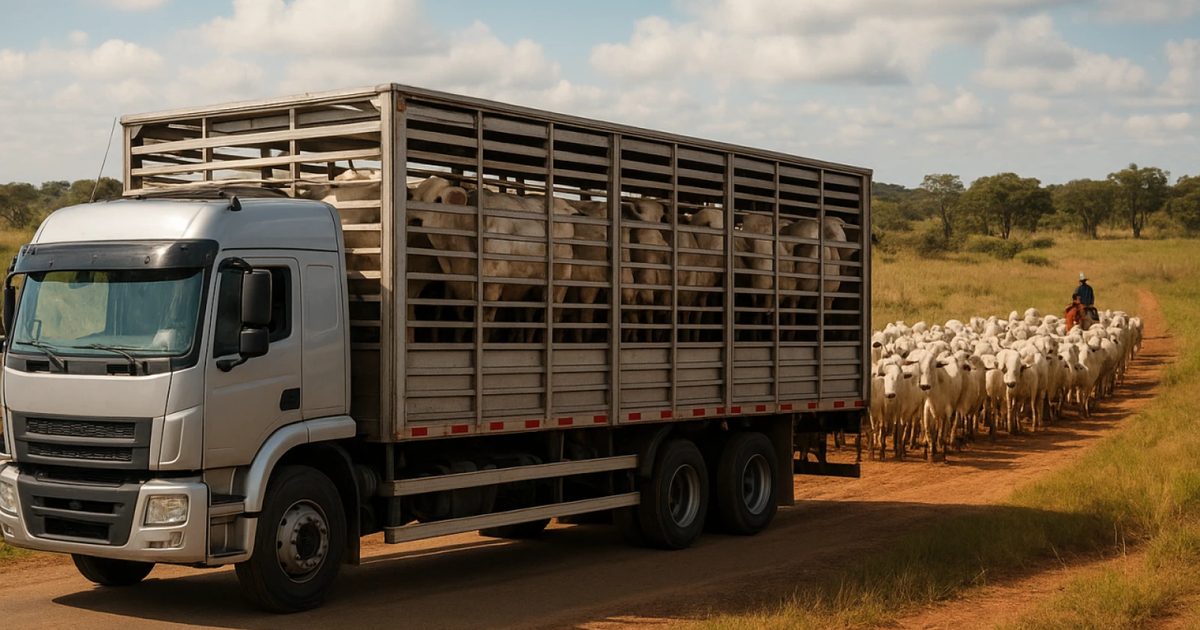
The National Association of Live Cattle Transporters of Paraguay (ANTG) has raised its livestock transport tariffs by up to 25% following sharp increases in diesel prices.
Fuel Costs Hit Freight Rates
The National Association of Live Cattle Transporters of Paraguay (ANTG) has decided to implement increases ranging from 22% to 25% in livestock transport fees following sharp rises in diesel prices. According to a statement from the association, current transport tariffs, applied at 16,000 to 18,000 guaranis, will be directly raised to 20,000 to 22,000 guaranis. ANTG President Silvio Mareco stated that fuel prices have been increased six times consecutively, bringing the cost of a liter of standard diesel close to 10,000 guaranis. Mareco also emphasized that fuel expenses represent a massive 70% share of the total operating costs for transport companies.
Fleet Expenses and Currency Pressure
ANTG, which coordinates approximately 50 member companies and a total of 500 to 600 specialized livestock transport trucks, is facing significant financial strain. Industry representatives indicate that financing personnel salaries, periodic vehicle maintenance, and technical repair costs with current transport revenues has become impossible. The reduction in livestock transport trips further exacerbates the fixed cost burden per trip, intensifying the pressure on companies. Additionally, the appreciation of the local currency, the guarani, against the US dollar is straining the budgets of producers whose revenues are tied to dollar-based exports, making it harder to cover rising transport costs.
Profitability Risk Rises in the Meat Sector
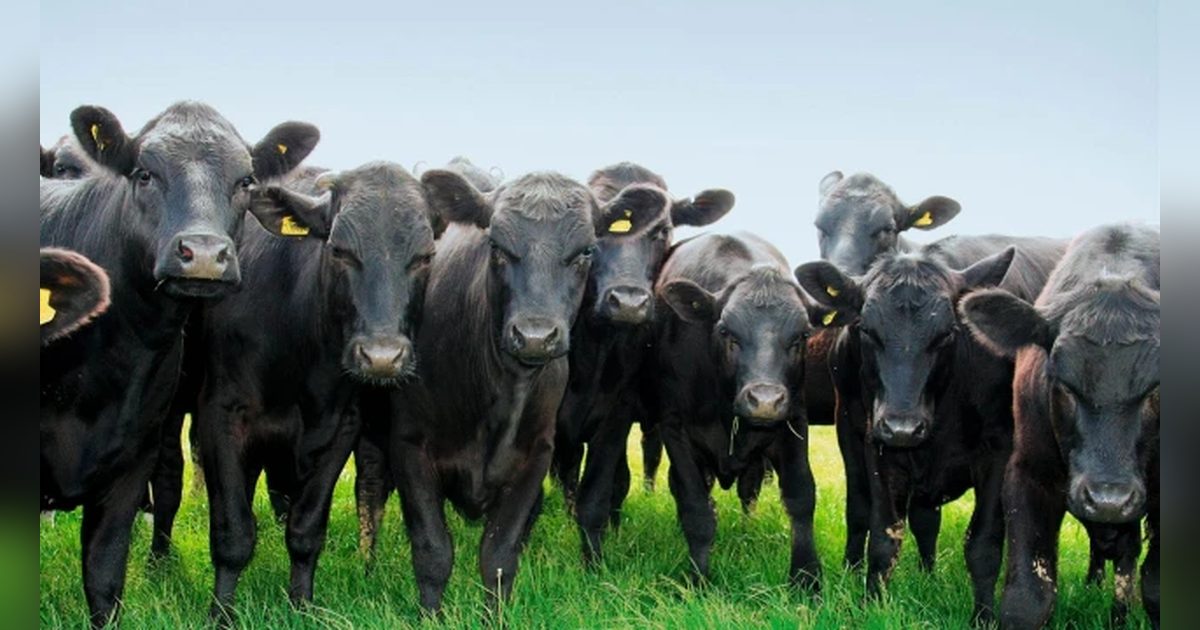
Livestock farms and meat processing plants have been officially informed about the upcoming freight rate adjustments, and independent transporters have also been advised to update their prices. This increase in live cattle transportation costs is escalating the market access expenses for livestock operations, directly pressuring the profit margins of the entire meat industry. The future financial stability of the sector appears to depend on the stabilization of oil prices, currency fluctuations, and the speed of recovery in live cattle transport demand. The ultimate impact of the new freight policy on final meat prices and producer incomes is being closely monitored.
| Value | Measure |
|---|---|
| 22-25% | Increase rate of transport fee |
| 16-18 thousand guaranis | Current transport tariff |
| 20-22 thousand guaranis | New transport tariff |
| 6 times | Frequency of fuel price increase |
| 10000 guaranis | Standard diesel litre price |
| 70% | Share of fuel in operating expenses |
| 50 members | Number of businesses within the union |
| 500-600 trucks | Transport truck fleet size |