


Eskişehir's Agricultural Production Value Reaches 51 Billion Lira
· GıdaTarım
Eskişehir, known for its industrial identity, maintains its strategic strength in rural development with an agricultural production value of 51 billion lira and a robust food industry.
The Agricultural Heritage and Pioneering Role of the Republic
Eskişehir assumed a strategic pioneering role in agricultural research and rural development during the Republican era. At the instruction of Mustafa Kemal Atatürk, Turkey's first seed improvement station, Islah-ı Buzr, was established in Sazova on December 13, 1925. The Dry Farming Experimental Station, launched in 1929 under the leadership of Ali Numan Kıraç, developed significant methods that entered international literature. Furthermore, the sugar factory, operational in record time in 1933, and the Village Institutes, whose foundations were laid, built the city's agricultural memory.
The Strategic Place of Agriculture in Eskişehir's Economy
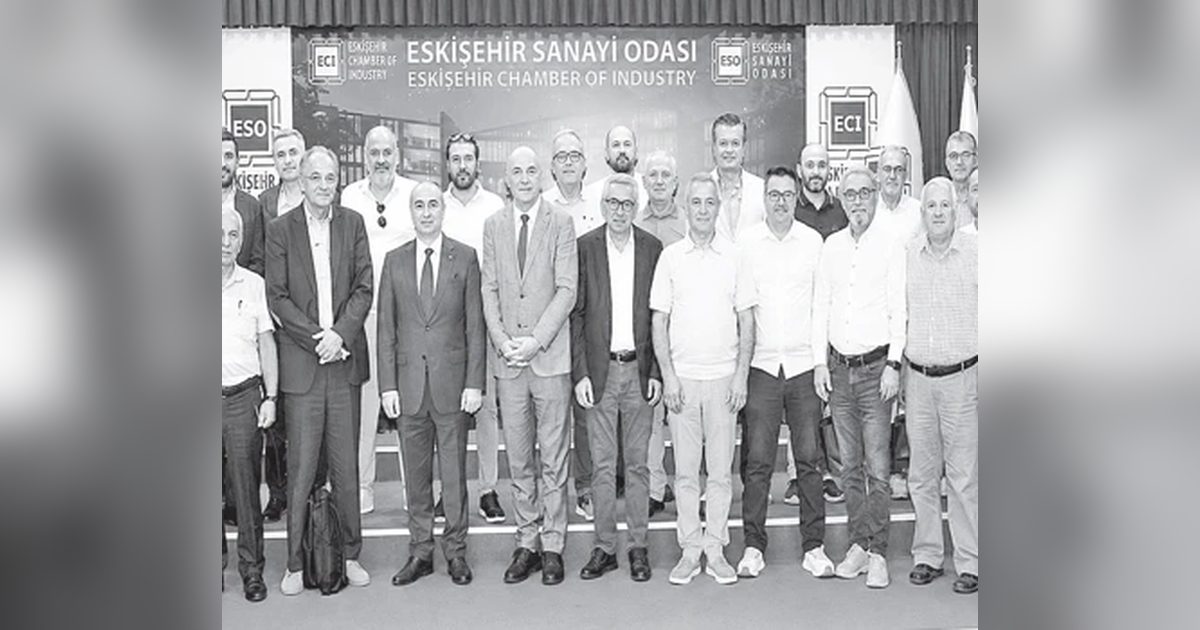
Although industry stands out in the city's economy and agriculture's share remains at 7%, agricultural production maintains its importance. The Eskişehir Chamber of Industry sustains sectoral awareness through meetings that bring together producers and food manufacturers. During the Sectoral Professional Groups Meeting held on August 13, 2026, coordinated by ESO, numerous areas from bakery products to food were discussed. City administration and producer representatives exhibit a common stance on the need to support rural production and local producers despite industrialization.
A Production Power of 51 Billion Lira
According to data from the Eskişehir Agricultural Investment Guide by the General Directorate of Agricultural Reform, there are 24,113 registered farmers in the Farmer Registration System in the city as of 2025. The total area includes 5.5 million decares of agricultural land, 3.4 million decares of pasture, and 1.3 million decares of fallow land. According to data shared by Eskişehir Provincial Director of Agriculture and Forestry, Yüksel Çil, the city's agricultural production value has reached 51 billion lira, with 30.7 billion lira from plant production and 19.3 billion lira from animal production. Cereals and legumes account for 70% of plant production, while the city meets 77% of Turkey's arugula demand with 34,000 tons.
Food Industry and Livestock Potential
Eskişehir's agriculture is notable for its developed agriculture-based industrial infrastructure and livestock population. According to official records, the city has 160,000 cattle and 1.3 million small ruminants. The 1,092 agriculture-based industrial enterprises operating across the province create added value. Of these facilities, 273 are in feed production, 266 in bakery products, 161 in confectionery, 75 in dairy products, and 20 in meat processing, contributing to rural development.
Water Scarcity and Production Cost Challenges
Despite its strong production volume, the city's agriculture faces significant structural problems. Eskişehir is one of the 11 provinces identified with water scarcity in Turkey, and 6 districts of the city fall under this restriction. As voiced in meetings attended by sector representatives, rising input costs and difficulties in securing labor are making production challenging. The primary demand is to reduce input costs and encourage domestic production instead of imports, rather than burdening industrialists with food inflation.