


Late Harvest Boosts Nectarine Prices Fourfold in Bursa
· NTV Ekonomi
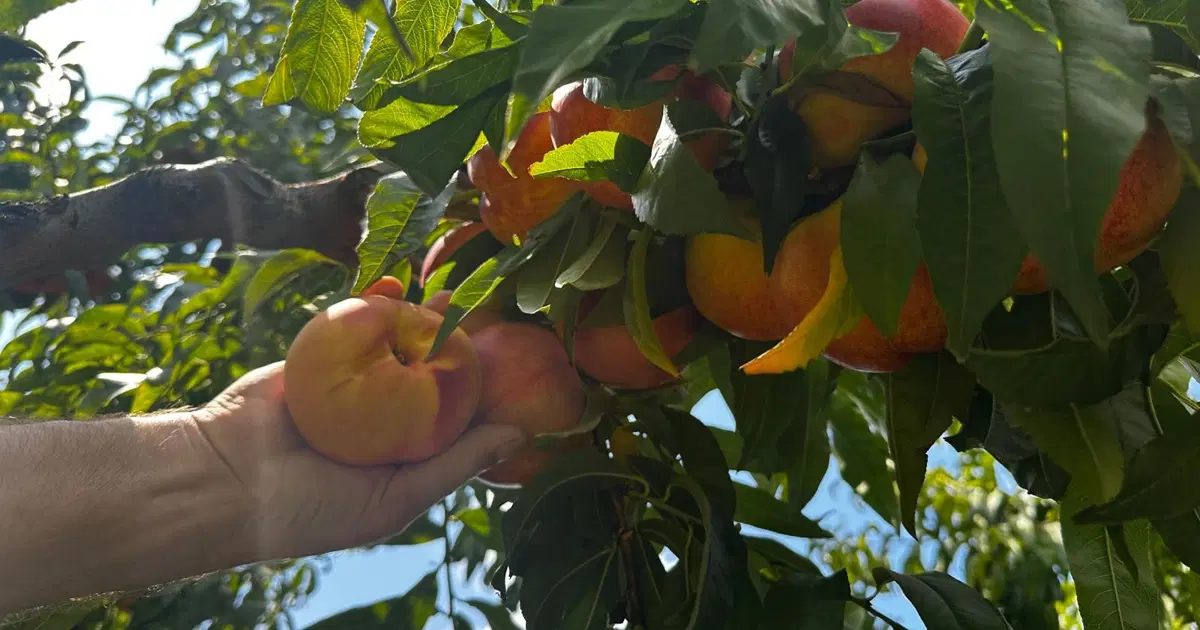
Nectarine prices in Bursa's Gürsu district, which fell to as low as 10 Turkish Lira per kilogram during the summer, have surged to 40 Turkish Lira due to reduced supply in the late harvest period and increased foreign market demand.
Nectarine Prices Rise in Gürsu
In Gürsu district of Bursa, one of Turkey's significant fruit production centers, the nectarine market has revitalized with the late harvest. The product, which fell to 10 Turkish Lira per kilogram on the branch due to the simultaneous ripening of all varieties in July and August and weak exports, has regained value as field supply diminished. Evaluating the market, Gürsu Chamber of Agriculture Council Member Mehmet Yıldırım stated:
'There was an abundance of produce during the summer. Since there was no export, the produce remained with the merchants, driving down the market. Now that the field produce has finished, the late varieties have revitalized the market. Nectarines, which fell to 10 Lira, have risen to 30-40 Lira on the branch.'
Late Season Advantage Amidst Costs
Producers highlight the relief brought by late-season prices to the market, despite rising input costs. Speaking on the matter, Gürsu Chamber of Agriculture Council Member Mehmet Yıldırım said:
'The late-season producer is luckier than the mid-season producer because there is no nectarine left in the market. We sold them at 30 Lira on the branch, and the merchant handles the harvest. As labor and input costs have risen significantly compared to last year, these prices barely cover the costs, but we are still at a good level compared to 10 Lira.'
The merchant undertaking the harvest has lightened the labor burden for the producer, while the price increase has dispersed the market stagnation.
Storage Capacity Expands Export Market
Late-harvested nectarine varieties stand out with their high market value and long shelf life. Farmer İsmet Yıldırım, explaining the process, made the following remarks:
'When all varieties ripened simultaneously in August, prices plummeted, and our mid-season producers were very disappointed. We are currently harvesting the late varieties, which are nearing the end of their season. As market supply has decreased, late-season nectarines have pleased both producers and merchants. Prices have risen due to the high international market value and durability of these varieties.'
Nectarines, which can last for 2 months without spoilage in cold storage, are shipped to the markets of Russia, Azerbaijan, the Balkans, and Central Asia.