


Foot-and-Mouth Disease Outbreak Halts Livestock Trade in 17 Provinces
· GıdaTarım
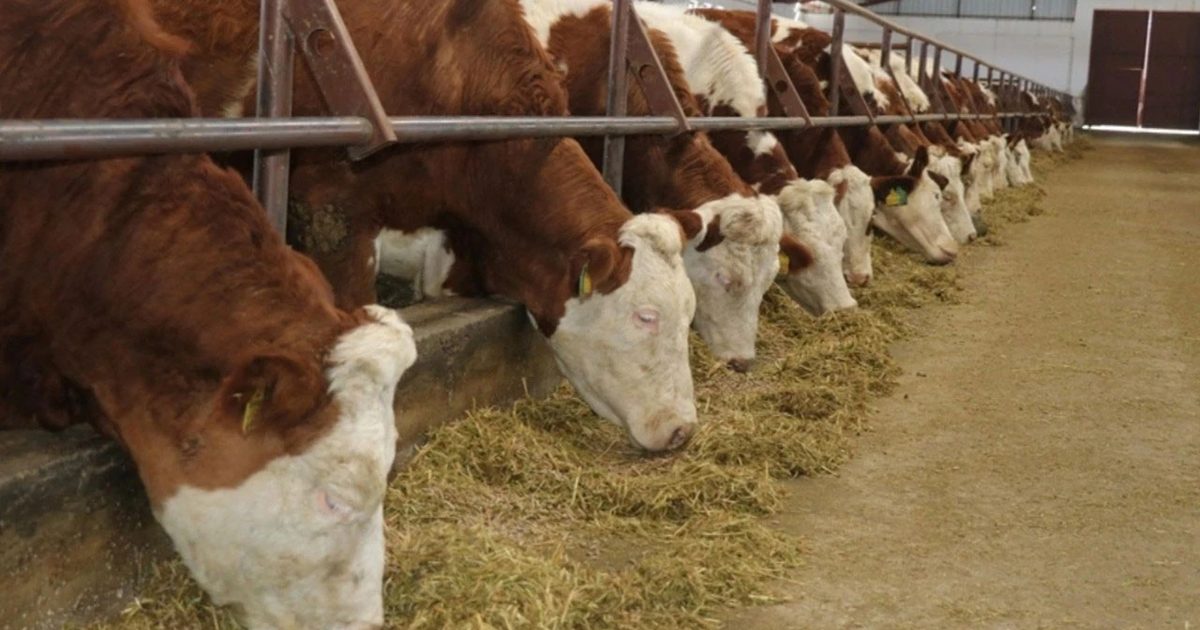
The spread of foot-and-mouth disease across Turkey has led to the closure of livestock markets in 17 provinces, causing billions of lira in economic losses in rural areas and pushing breeders into a debt spiral due to rising maintenance costs.
Outbreak Measures Halt Trade
The re-emerging foot-and-mouth disease outbreak across Turkey has triggered a severe health crisis alongside a large-scale economic slowdown in the livestock and breeding sector. Public authorities have temporarily sealed live animal markets in a total of 17 provinces, notably Adana, Bursa, Erzurum, Kars, Kütahya, and Samsun, to prevent the virus from spreading to other regions and to protect animal health. In some areas, quarantine measures exceeding two months have completely restricted the entry and exit of animals. While these strict measures have limited the spread of the disease, the economic losses incurred in rural areas have quickly amounted to billions of lira.
Widespread Economic Ripple Effect
The prolonged closure of live animal markets has paralyzed not only breeders and producers but also all commercial activities at the heart of rural development. With the halt in buying and selling at market places, livestock dealers, transporters, feed merchants, and local shopkeepers have begun to experience significant income loss. The closure of markets during this period, when villagers prepare for winter and animal sales reach their peak for the year, has completely disrupted the cash flow and financial balance of breeders. Producers unable to sell their animals and generate income are facing the risk of defaulting on their loan payments to institutions like Tarım Kredi Kooperatifleri (Agricultural Credit Cooperatives) and banks.
Market Turnover and Losses
Emphasizing that the market places in the Kars and Ardahan region are like a "factory without a chimney" for the regional economy, cattle trader Resul Topyaka stated that under normal circumstances, 500 to 1000 head of cattle change hands daily at the Kars animal market. Cattle trader Resul Topyaka described the market's monetary volume and the resulting commercial loss as follows:
'There are animals in the market ranging from 100,000 lira to 250,000 lira. The average selling price is 150,000 lira. This means a daily trade volume of 75 million to 150 million lira. This trade has stopped with the closure of the market.'
Rising Maintenance Costs in Barns
As cattle unable to be brought to market due to quarantine decisions continue to be kept in barns, the feed and maintenance expenses for breeders are escalating. Cattle trader Resul Topyaka stated that as the loan repayment schedule becomes increasingly tight, villagers who cannot make sales are facing new debt burdens daily, adding:
'The income generated from animal sales is not just profit for the villagers. It is also important for meeting daily needs and repaying bank loans. Producers who cannot sell face new expenses every day. Producers are forced to feed their animals in barns. The daily feed and maintenance cost for one animal is around 150-200 lira, with a monthly cost of approximately 7,000 lira.'
New Era in Kars Shipments
According to an official announcement by the Kars Provincial Directorate of Agriculture and Forestry, the restriction on intra-provincial and inter-provincial livestock shipments, implemented on September 30, 2026, has finally been lifted. However, quarantine zones where the foot-and-mouth disease is still active have been excluded from this relaxation. Despite the issuance of shipment permits, live animal markets, livestock exchanges, and collection points remain closed for now. Officials have announced that markets will reopen for trade once animal health is fully secured and field conditions are deemed suitable.
Cattle Farming Price and Cost Indicators
Source: Resul Topyaka
- Average cattle sales price
- 150,000 TRY
- Monthly cost per animal
- 7,000 TRY
- Daily care and feed cost per animal (minimum)
- 150 TRY