


High Agricultural Water Consumption Threatens Food Security
· Tarım Pusulası
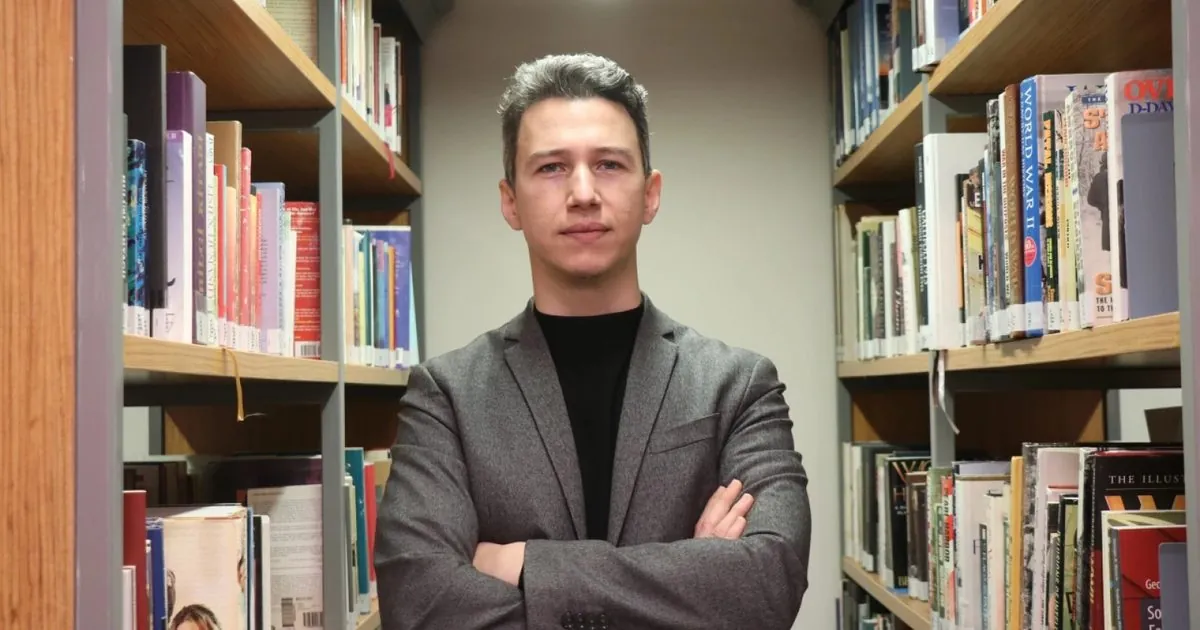
Dr. Ahmet Adiller, an academic, warned that climate crisis and excessive groundwater extraction pose serious risks to food security, noting that 77% of water consumed in Turkey is used in agriculture.
Dr. Ahmet Adiller, Head of the Environmental Health Program at Üsküdar University Vocational School of Health Services, evaluated the pressure on Turkey's water resources in the context of the upcoming September 18 World Water Monitoring Day. According to State Hydraulic Works (DSİ) data, Turkey's technically and economically usable annual water potential is 112 billion m³, with per capita water availability at approximately 1,308 m³ per year. Adiller noted that the prevailing water stress is not merely a drinking water issue but harbors permanent threats directly to food security and agricultural production.
Emphasizing that Turkey's location in the Mediterranean Basin makes it highly vulnerable to the climate crisis, Dr. Adiller reported that rising temperatures and increased evaporation are rapidly depleting existing water resources. Adiller pointed out that the regime of rainfall, as much as the total amount, is critical, stating that extreme downpours occurring in short periods lead to surface runoff, erosion, and floods instead of replenishing groundwater; the decrease in regular rainfall significantly reduces soil moisture.
Stating that the water crisis cannot be overcome solely through individual conservation measures, Dr. Adiller argued that resource efficiency in industry and agriculture is the primary determining factor. According to current data shared by DSİ, 77% of the 57 billion m³ of water consumed annually in Turkey is used directly in the agricultural sector. Adiller expressed that reducing loss-leakage rates, renewing distribution networks, and urgently transforming the consumption structure in agricultural irrigation have become imperative.
Drawing attention to the rapid depletion of groundwater, which is often perceived as limitless due to its hidden nature, Dr. Adiller stated that uncontrolled and unlicensed well extractions lead to significant losses at deeper levels. Adiller noted that excessive water extraction renders wells unusable and increases farmers' pump energy costs, highlighting that land subsidence is occurring in some regions, while saltwater intrusion threatens agricultural lands in coastal areas.
Referencing the goals of Turkey's 2026–2035 National Water Plan, Dr. Adiller stated that basin-based water management and crop pattern planning according to water availability are mandatory. Adiller noted that modern pressurized and closed pipe systems should replace traditional open irrigation channels. He also indicated that the widespread adoption of treated wastewater reuse, rainwater harvesting, and greywater applications in agricultural irrigation would enhance ecosystem resilience.
Stating that institutional steps taken today will determine the scale of comprehensive crises that may be faced in the future, Dr. Adiller emphasized the need for continuous monitoring of water resources in terms of quantity and quality parameters. Adiller stressed that water must be managed not just as a consumable item but as a strategic element directly linked to national food security, a sustainable economy, and public health.
| Value | Measure |
|---|---|
| 112 billion m³ | Technically and economically usable annual water potential |
| 1308 m³/year | Water amount per capita |
| 57 billion m³ | Annual water usage |
| 77% | Share of agricultural sector in water usage |