


Olive Prices Drop Amid 50% Surge in Costs
· GıdaTarım
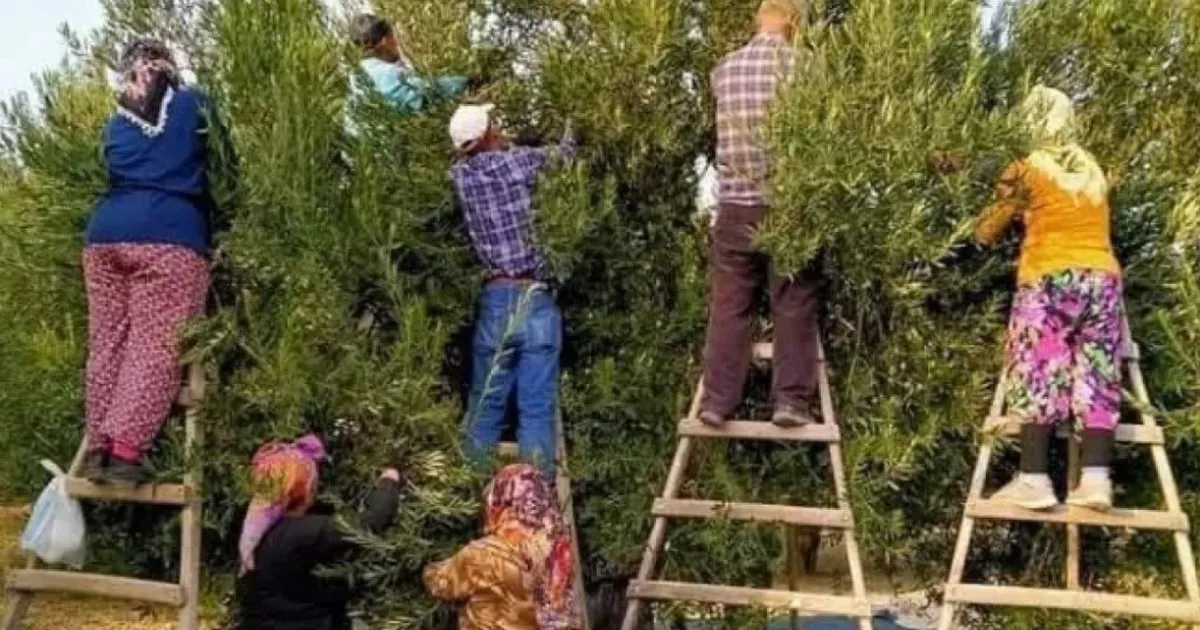
As olive harvesting begins, rising input costs and falling purchase prices are pressuring producers, with some regions seeing product prices dip below collection expenses.
As olive harvesting commences, the gap between producer prices and production costs is rapidly widening. Producers report that expenses for fuel, fertilizer, pesticides, and harvest labor have increased by approximately 40% to 50% compared to last year, while emphasizing that olive prices have declined by 30% to 40% year-on-year. Hayri Onur Eken, an Agricultural Engineer farming in Hıdırköy, Bandırma, noted that the cost of harvest labor and collection alone has reached around 20 Turkish Lira per kilogram. This high collection cost, coupled with low purchase offers in the field, makes farmers hesitant to proceed with the harvest.
Initial market data from various production basins clearly illustrates the income loss faced by producers. In the Mut district of Mersin, new season olives are being bought for between 10 and 60 Turkish Lira per kilogram, depending on size and quality, with the lowest prices falling to less than half of the collection cost. Mehmet Bayram, Chairman of the Karaman Chamber of Agriculture, reported that the producer price for Gemlik olives in the Göksu Basin has fallen by approximately 5 TL in the last week to 27.5 TL. Producers are experiencing significant anxiety due to falling prices despite rising costs.
Olive Price and Cost Indicators by Region
Source: Piyasa verileri, Karaman Ziraat Odası, Karaman Ziraat Odası Başkanı Mehmet Bayram, Ziraat Mühendisi Hayri Onur Eken, Üreticiler
- Mersin Mut (Floor Price)
- 10 TL/kg
- Bandırma (Harvesting Cost)
- 20 TL/kg
- Karaman Gemlik (Producer Price)
- 27.5 TL/kg