


Preparations for Winter Maintenance in Small Ruminant Farms Accelerate
· TarımTR
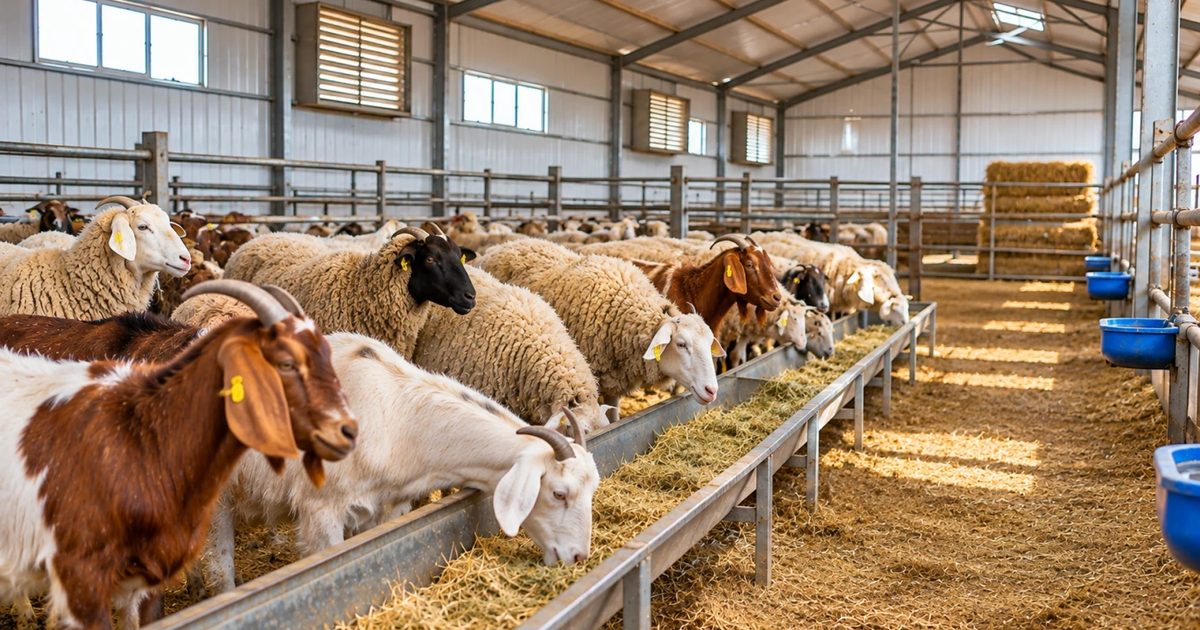
With falling temperatures and the closure of pastures, the winter preparation process has begun in small ruminant livestock farms. Data from the Ministry of Agriculture and Forestry reveals that basic management errors such as inadequate ventilation and wet bedding directly threaten herd health and productivity.
Shelter and Herd Management During Winter Months
As winter approaches, feeding and care practices in small ruminant livestock farms undergo fundamental changes. For producers relying on pasture-based systems, significantly shorter grazing periods lead to a substantial increase in the time animals spend housed indoors. During this critical transition, merely protecting animals from freezing temperatures is not a sufficient preventive measure. According to technical documents from the Ministry of Agriculture and Forestry, excessive humidity, contaminated water sources, wet floors, and unbalanced ration applications directly accelerate productivity losses. It is highly necessary for producers to thoroughly review their shelter infrastructure, ventilation systems, and herd management plans before the harsh winter conditions fully set in.
The Vital Technical Role of Ventilation in Pens
One of the most common mistakes producers make in winter is completely closing off pen windows and air vents to prevent animals from getting cold. However, the primary function of ventilation systems in small ruminant shelters is not just to regulate ambient temperature but to evacuate harmful gases that accumulate intensely indoors. As explained in the Ministry of Agriculture and Forestry's technical guide for sheep farming, expelling ammonia, dust, and microorganisms from enclosed spaces prevents respiratory infections. Artificially and uncontrollably increasing the temperature by completely cutting off natural ventilation creates a hazardous microclimate with dangerous condensation on ceilings and walls, causing irreparable damage to the animals' lungs.
Importance of Dry Floors and Bedding Management
One of the most critical conditions for navigating the winter season without losses and achieving success in small ruminant operations is the flawless functioning of floor drainage and maintaining consistently dry bedding. Rainwater leaking from roof coverings, snowdrifts blown in by wind through open doors, or overflowing water troughs can turn the bedding into mud. The Ministry's technical guide for protecting small ruminants from harsh weather conditions emphasizes the critical need to keep lambs, kids, and adult animals strictly away from wet floors. Wet bedding rapidly depletes animals' body energy and creates a breeding ground for the rapid spread of many infectious diseases within the herd, most notably foot rot and fatal diarrhea cases.
Planning Winter Roughage Stock
As cold snaps reduce pasture productivity to zero, farms' roughage and concentrate feed needs reach their highest levels of the year. Attempting to procure feed unplanned during mid-winter forces producers to face high market prices, significantly increasing production costs. Instead of providing a single type of ration to the entire herd indiscriminately, a rational differentiation should be made based on animals' live weight, pregnancy status, lactation status, and overall condition. Especially for breeding ewes in the final stages of pregnancy, whose energy needs increase significantly, feed rations must be nutritionally balanced in advance according to the lambing calendar, and stocks must be secured accordingly.
Uninterrupted Clean Water Supply in Cold Weather
During winter, producers often focus on the quantity of roughage, frequently relegating animals' access to clean and warm water to a secondary concern. However, continuous access to water is essential for the proper functioning of sheep and goat digestive systems and for them to benefit maximally from the rations provided. During cold winter nights when freezing temperatures are prevalent, exposed and frozen water troughs completely cut off water consumption in animals, leading to serious metabolic diseases. Therefore, it is of great importance to meticulously insulate troughs against freezing, regularly clean them of sediment and debris, and ensure they are at a height easily accessible to the animals.
Pre-Winter Health Screening of the Entire Herd
Before the housing period begins, it is recommended to conduct a comprehensive health check and detailed physical examination of the entire herd. Failure to promptly isolate animals showing signs of lameness, chronic coughing, nasal discharge, or diarrhea puts other individuals at direct risk. Ministry advisories mandate that lamb and kid pens, housing sensitive animals, must always be kept dry, clean, and well-ventilated. Completing parasitic treatments and the preventive vaccination schedule without interruption, under the supervision of a veterinarian, minimizes herd losses due to winter conditions.
Special Care for Pregnant Ewes and Does
During winter days when the lambing season is approaching, the physical conditions for breeding animals must be meticulously differentiated from those of other herd members. Housing pregnant animals in crowded pens, exposing them to slippery floors, and narrow corridors significantly increases the risk of abortion. Ministry of Agriculture and Forestry technical resources clearly state that pregnant small ruminants nearing birth must be kept strictly away from cramped environments where they could be trampled by others. Therefore, it is essential to fully prepare special lambing pens for pregnant animals that are more spacious, have ample floor space, and are furnished with clean bedding.
Controlled Pasture Grazing Plan During Winter Months
Confining small ruminant farm animals entirely indoors throughout winter is not a mandatory rule for all climatic regions. The amount of rainfall in the region, the thickness of snow cover, and the pasture structure of the farm's location dictate the limits of winter grazing. On mild days when weather conditions permit, farmers can easily allow their animals controlled access to pastures for movement and fresh air. However, grazing should be avoided on days with extreme frost, heavy precipitation, or muddy ground, and the farm's alternative roughage stock should be immediately utilized.
Common Mistakes Made by Producers in Winter Preparations
The 6 critical errors most frequently repeated by producers in winter preparations invite productivity losses on farms. These include completely closing air inlets, leaving pens unventilated, and not changing wet bedding for days. Other mistakes include delaying roughage procurement until the last week, facing exorbitant costs, not checking frozen water troughs, and keeping pregnant animals with the general herd. Furthermore, overlooking the initial signs of illness displayed by animals in enclosed shelter environments can lead to the rapid spread of infections throughout the entire pen.
Pre-Winter Controls to be Carried Out on Farms
There are 8 essential control steps that must be fully completed on small ruminant farms before entering the winter season. First, the barn roof, windows, walls, and floor drainage must be repaired from top to bottom to ensure watertightness. Ventilation openings should be cleaned, a fresh and ample stock of dry bedding should be prepared, and the amount of roughage per animal should be calculated in advance. After checking the freeze protection of water troughs, weak, pregnant, and young animals should be separated, and the herd's lambing and record-keeping calendar should be fully updated after a veterinary check.
Small Ruminant Winter Management Indicators
Source: Tarım ve Orman Bakanlığı teknik kaynakları
- Number of basic mistakes most commonly made in winter preparation
- 6 units / items
- Basic control step in a small ruminant farm before winter
- 8 units / items