


DIABETES MELLITUS AND NUTRITION RECOMMENDATIONS
· Dr. Tuba Günebak
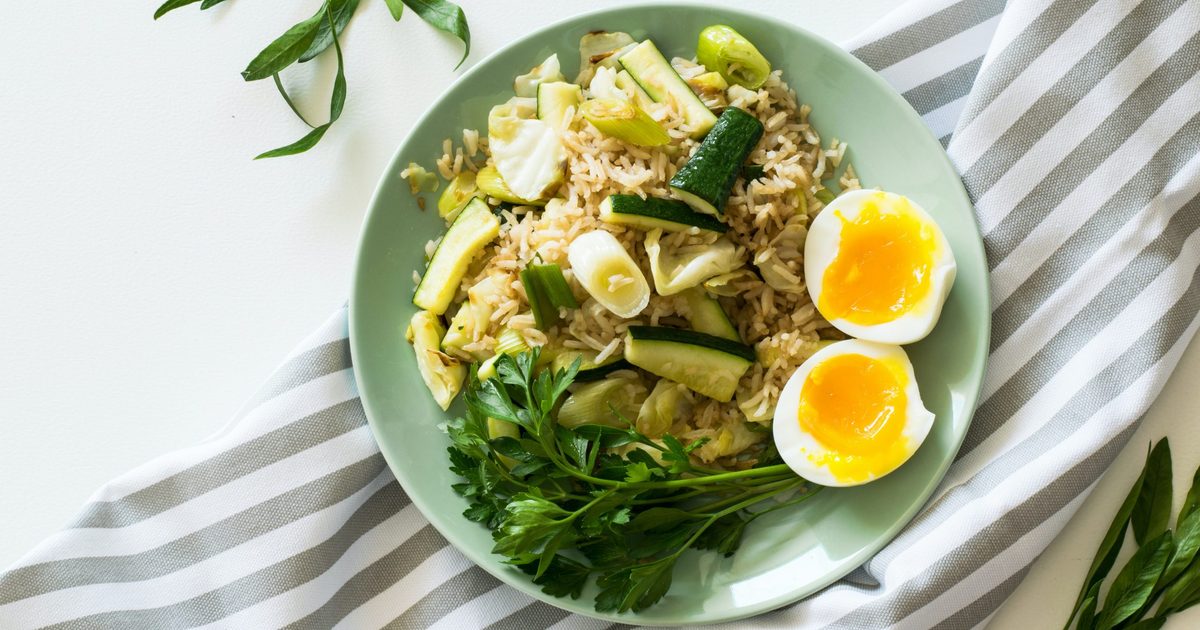
My recommendations regarding Diabetes Mellitus are as follows;
DIABETES MELLITUS AND NUTRITION RECOMMENDATIONS
My recommendations regarding Diabetes Mellitus are as follows;
- It is very important not to skip meals. Make sure to consume 3 main meals and 3 snacks every day.
- Prefer whole grain products, meaning those from which the bran has not been removed.
- Do not consume sweets containing sugar and simple sugars (honey, jam, marmalade, syrupy desserts).
- Do not consume desserts like cakes, pastries, and cookies, which contain simple sugars in their composition.
- Do not consume ready-made fruit juices. If you want to drink freshly squeezed fruit juice, add the fruit pulp to your juice.
- Prefer fiber-rich foods. For example, choose bulgur pilaf instead of rice pilaf.
- The Finnish Diabetes Prevention Study and the American Diabetes Prevention Program recommend at least 150 minutes of moderate-intensity physical activity per week. It has been reported that moderate physical activity has positive effects in glycemic control, reducing insulin resistance and cardiovascular risk factors in individuals with type 2 diabetes. Engage in at least 150 minutes of moderate physical activity per week, dividing this time into at least three days.
- Choose foods with a low glycemic index. These include oats, bulgur, dried beans, lentils, legumes, pasta, whole wheat bread, apples, oranges, milk, and yogurt.
- If you wish to use diabetic products, avoid those that use fructose as a carbohydrate source. Fructose, although it has a low postprandial glucose response, can negatively affect blood lipid profiles.
- The sweeteners approved by the FDA (Food and Drug Administration) are acesulfame-K, aspartame, neotame, saccharin, and sucralose.
- Consume fish at least twice a week. Consume fish grilled or baked.
- For one of your daily yogurt servings, choose yogurt containing plant stanols.
- Be mindful that your daily sodium intake does not exceed 2 g/day (1 teaspoon of salt).
- When attending a social gathering where alcohol is served, do not exceed one serving (for women) or two servings (for men). By 'one serving,' I mean 360 ml for beer, 150 ml for wine, and 45 ml for distilled spirits like whiskey, gin, or rakı.
- When consuming alcohol, be sure to eat something alongside it to avoid sudden hypoglycemia at night. This food should not be a source of pure carbohydrate.
- Regularly monitor your plasma (blood) glucose levels.
- During acute illness periods, consume plenty of fluids.
- Studies have shown that uncontrolled diabetes is frequently associated with micronutrient deficiencies. In this context, I would like to reiterate the importance of adequate and balanced nutrition.
Nutrition and Diet Specialist Asst. Prof. Dr. Tuba Günebak