


Extreme Heat Hits European Grain Harvest
· GıdaTarım
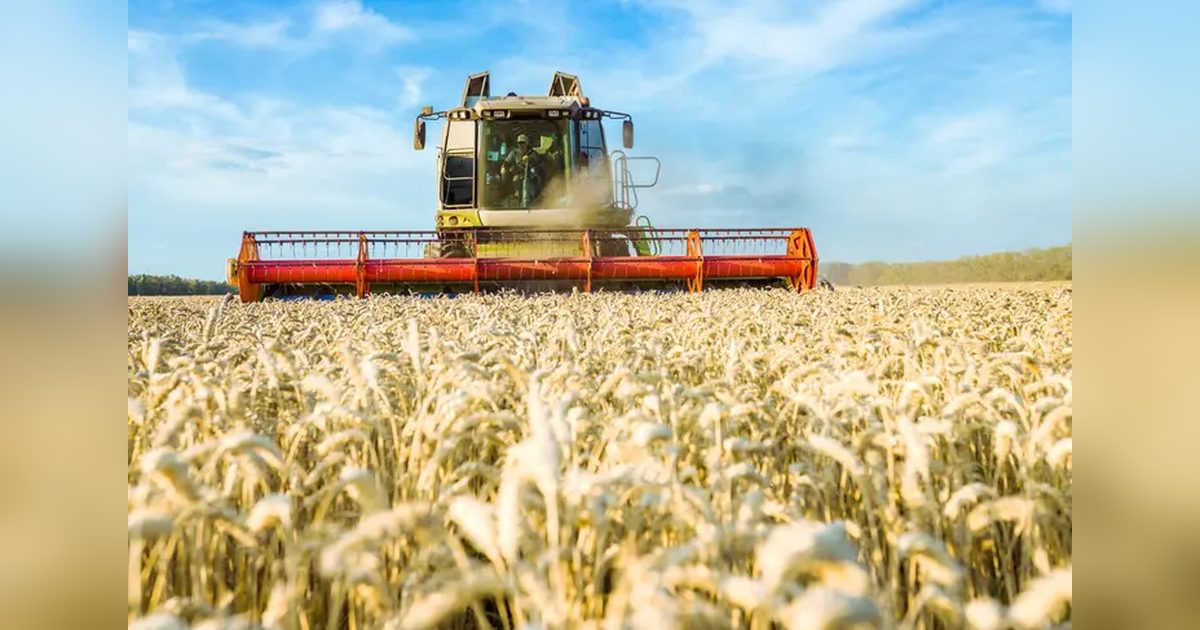
Heatwaves and drought across Europe are lowering grain yield forecasts, with the UK expecting its lowest harvest in 40 years.
Yield Losses Across Europe
According to an assessment published by the European Commission's Joint Research Centre (JRC) at the end of July, consecutive heatwaves are severely limiting agricultural production. High temperatures have shortened the grain-filling period for winter crops, leading to yield estimates being revised down by 1% to 4%. Insufficient rainfall in Western and Central Europe has depleted soil moisture, suppressing the development of summer crops. According to the data released, total grain yield is expected to be approximately 1% below the five-year average.
Historic Harvest Decline in the UK
The UK, hardest hit by the drought, is expected to see its 2026 grain harvest fall to its lowest level since records began in 1984. Initial field estimates indicate that wheat yields per hectare have dropped to 6.8 tons. The total loss across wheat, barley, oats, and oilseeds is calculated to reach 2.5 million tons. While total production in the country is expected to fall to 19.5 million tons, British farmers are projected to face direct income losses of £390 million due to production shortfalls.
Rising Costs in Food Imports
Drought and water restrictions are also challenging vegetable production, and insufficient domestic supply is driving up wholesale food prices. The European Union's turn to external markets to cover the resulting supply deficit is increasing its food import bill. Indeed, the EU's agricultural and food imports rose by 9% in 2025 to €188.6 billion. Rising costs and climate pressure are highlighting new supply routes, while also creating new trade balances for Anatolian agriculture, which is experiencing similar climate pressures.