


Global Food Prices Rebound in August Amid Climate Risks and Geopolitical Tensions
· GıdaTarım
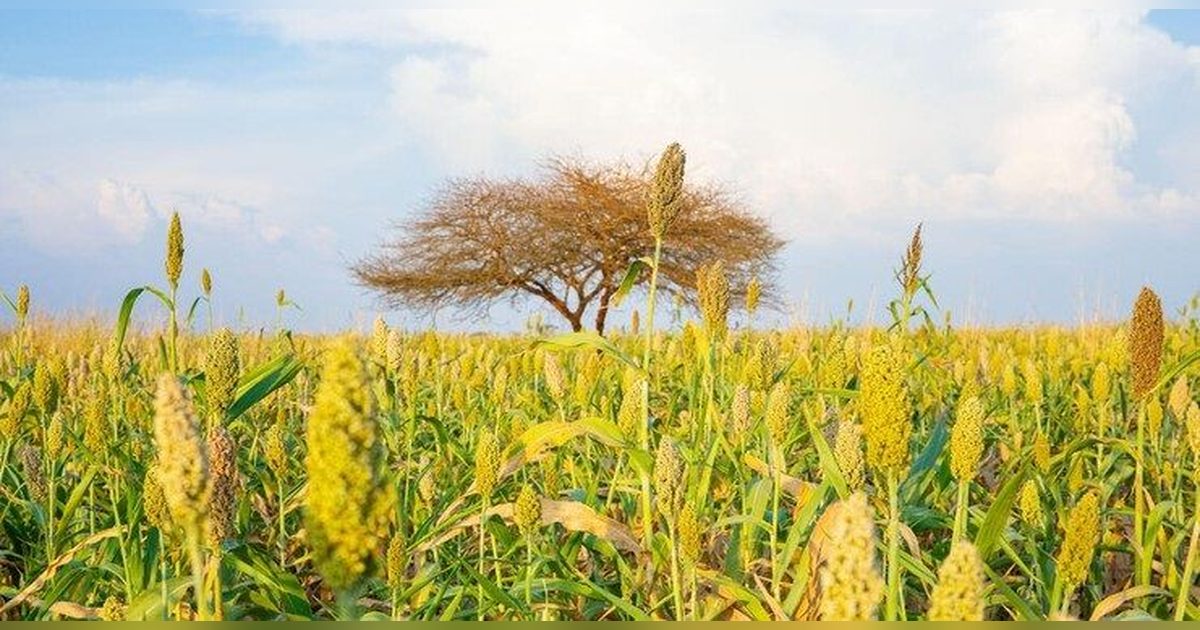
The UN Food and Agriculture Organization (FAO) reported that the global food commodity price index rose 1.9% in August, driven by climate risks and geopolitical tensions.
Risk Jump in Global Price Index
According to data from the Food and Agriculture Organization of the United Nations (FAO), the benchmark index for world food commodity prices rose by 1.9% in August 2026 compared to the revised July level, averaging 133.3 points. This increase in the index value marks a 2.5% rise on an annual basis. Risks associated with high temperatures and adverse weather conditions have narrowed supply expectations, directly impacting markets.
FAO Chief Economist Maximo Torero commented on the situation:
'The rise in global food prices in August is a warning that the risk premium has returned to food markets: climate shocks, geopolitical tensions, and disrupted trade logistics are converging to narrow supply expectations, demonstrating that resilience, open trade, and secure input flows are now central to global food price stability'
Supply and Logistics Pressure in Cereal Markets
The FAO Cereal Price Index increased by 2.2% compared to July, driven by robust import demand and concerns over production outlooks. Global wheat prices rose 2.6% in August, reaching a level 15.0% higher than the same period last year. Disruptions in Black Sea export logistics, low yield expectations due to drought across Europe, and a weakening US dollar were key factors behind the wheat price increase.
World maize prices also rose 2.5% month-on-month due to yield concerns in the US, weak harvests in the EU, demand from the ethanol and feed sectors, disrupted input supply from the closure of the Strait of Hormuz, and reduced exports from Ukraine. The FAO All Rice Price Index also increased by 0.5% with purchases from Asian and African countries.
Trends in Vegetable Oil and Meat Prices
The FAO Vegetable Oil Price Index rose 1.1% month-on-month, driven by strong import demand and negative expectations for Southeast Asian production due to the El Niño phenomenon. While palm and soy oil prices saw an upward trend, ample supply expectations slightly pulled down rapeseed and sunflower oil prices.
Meanwhile, the FAO Meat Price Index increased by 1.0%, with rises in poultry, pig, and sheep meat. The increase in pork prices was influenced by extreme heat in the EU slowing animal development. Conversely, international beef prices declined as China's import quotas increased export competition between Brazil and Australia.
Sharp Rises in Dairy and Sugar Markets
The FAO Dairy Price Index increased by 2.3% compared to July, as hot and dry weather conditions across the European Union tightened milk supply. The sharpest fluctuation of the month occurred in the FAO Sugar Price Index, which rose by 11.9% in August.
The sharp climb in the sugar market was influenced by expectations of lower sugar beet yields in the EU due to weather conditions, the impact of El Niño on producing countries in Asia, a decline in Brazil's harvest, and India's decision to import raw sugar duty-free.
Updated Forecasts for Global Cereal Yields
According to the Cereal Supply and Demand Brief published by FAO, global cereal production in 2026 is forecast to reach 2,980 million tonnes. While this represents a 2.0% decrease compared to 2025, it is the second-largest harvest on record. The world maize production forecast was revised down to 1,309 million tonnes, as yield losses in France and Poland offset gains in South America.
The global wheat production forecast was revised to 810.7 million tonnes. Global rice production is projected to decline by 1.9% to 553.1 million tonnes in the 2026/27 season, due to narrowing producer margins and climate conditions.
Consumption Projections and Ending Stocks
According to the organization's latest data, world total cereal utilization for the 2026/27 season is estimated at 2,965 million tonnes, a 0.2% increase from the previous year. During this period, an increase in the use of coarse grains for feed and rice is expected, while wheat consumption is projected to decrease slightly.
World cereal stocks are calculated to reach 947.2 million tonnes by the end of the 2027 season, with logistics constraints in Russia and Ukraine contributing to increased stocks. Accordingly, the global cereal stocks-to-use ratio is projected to be 31.6%; although this represents a decrease from 31.9% in the previous season, it historically indicates sufficient market supply.
International Trade and Market Expectations
The FAO report forecasts that world cereal trade volume in 2026/27 will decline from record levels to 509.3 million tonnes. Despite the expected contraction in global trade volume, activity in futures markets continues.
Indeed, the monthly Market Monitor report published by the FAO's Agricultural Market Information System (AMIS) confirms a general upward trend in futures contracts for key agricultural commodities. Geopolitical tensions and bottlenecks in logistics routes continue to be closely monitored in international agricultural commodity trade.