


Rising Ozone Pollution Threatens Global Agricultural Production
· AA Yeşil Hat
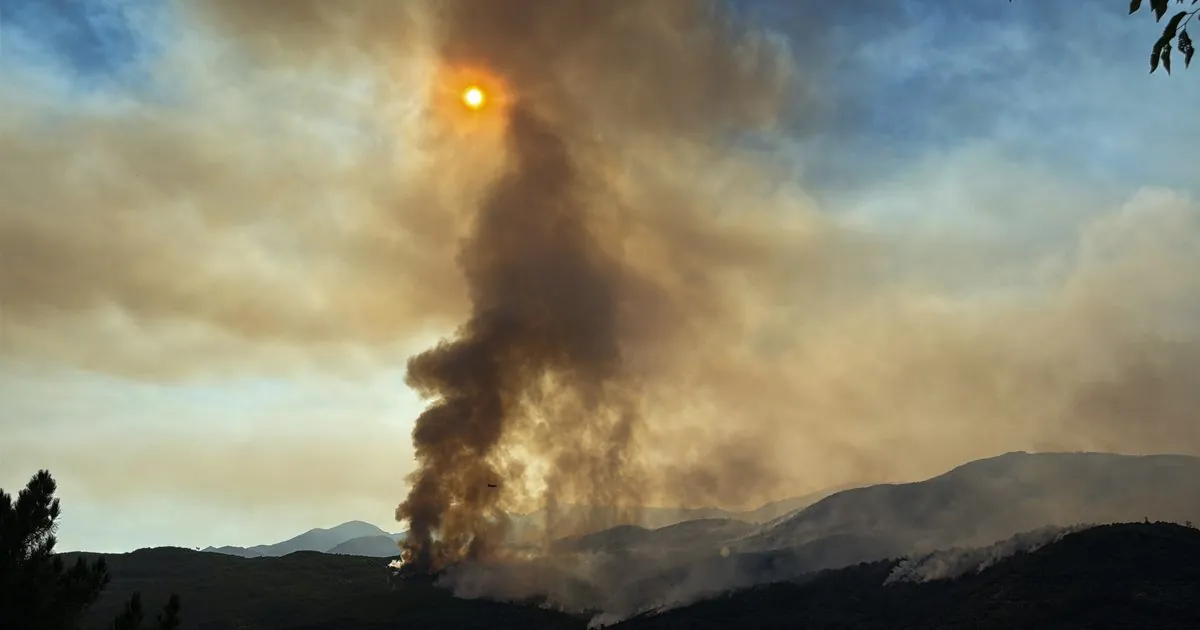
According to the Copernicus Atmosphere Monitoring Service's 2026 report, 40% of the world's population is exposed to dangerous levels of ground-level ozone, directly endangering crop yields and food security.
The Copernicus Atmosphere Monitoring Service (CAMS), part of the European Union, has released a critical global air quality report covering the eight-month period of 2026. According to the analysis data, 40% of the world's population was exposed to dangerous ground-level ozone pollution. This gas, formed by the reaction of sunlight and extreme temperatures with pollutants, directly affects human health across vast geographical areas. The proportion of the population able to breathe clean air, in line with World Health Organization standards, remained at a mere 5%.
According to CAMS analysis, Asia was the most affected continent by pollution on a regional basis. As a result of industrial, heavy transportation, and natural source emissions, 60% of Asia's population encountered excessively high ozone levels. In Europe, consecutive heatwaves triggered pollution, exposing 50% of the continent's population to poor air quality. In North America, due to the impact of severe wildfires in 2026, more than two-thirds of the population was affected by ozone concentrations exceeding limit values.
High concentrations of ground-level ozone gas not only directly impact human health but also natural ecosystems and agricultural production. High concentrations damage plants' photosynthetic mechanisms, leading to significant losses in agricultural crop yields. CAMS Director Laurence Rouil made a comprehensive assessment on the matter, stating:
The impacts of transboundary transported pollutants on agricultural lands and livelihoods have become central to international climate policies. ECMWF Director-General Florian Pappenberger emphasized the urgency of the prepared global picture with the following statements:
Experts are calling for a joint, cross-border fight against air pollution to protect food security.
Bölgesel ve Küresel Ozon Kirliliği Maruziyet Oranları
Copernicus Atmosfer İzleme Servisi (CAMS)
- Aşırı yüksek ozona maruz kalan Asya nüfusu
- 60%
- Kötü ozon seviyelerine maruz kalan Avrupa nüfusu
- 50%
- Tehlikeli ozon kirliliğine maruz kalan küresel nüfus
- 40%
- İyi ozon seviyesine maruz kalan küresel nüfus
- 5%