


Research: Cellular Effects of Sucralose Byproduct Under Scrutiny
· ScienceDaily Beslenme
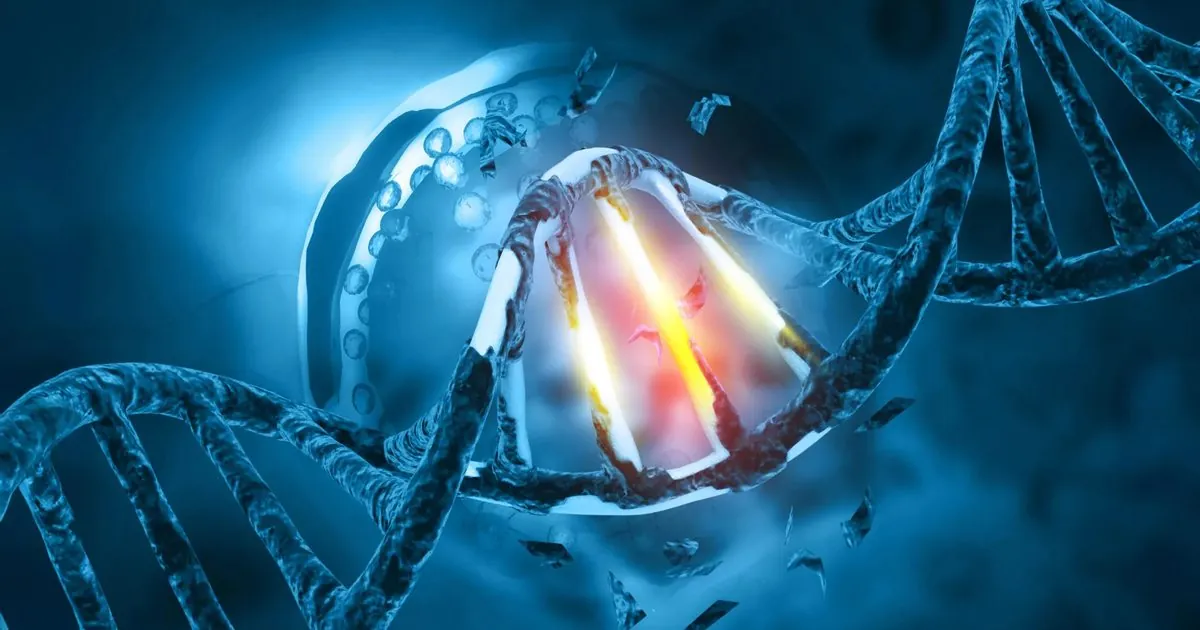
A lab study by North Carolina State University suggests sucralose-6-acetate, a production byproduct of the artificial sweetener sucralose, may be linked to DNA damage and gut permeability at the cellular level.
Review of Sweetener Byproduct in Laboratory Experiments
An in vitro laboratory study, conducted by researchers at North Carolina State University and published in the Journal of Toxicology and Environmental Health in 2023, focused on a chemical compound associated with the popular artificial sweetener sucralose. In experimental settings, the substance, known as sucralose-6-acetate, was observed to be potentially linked to DNA damage at the cellular level and to weaken the intestinal barrier model. However, scientists emphasize that these initial findings do not directly imply that daily sweetener consumption causes genetic damage in humans, and that the process observed remains within a cellular model studied in the laboratory phase.
Chemical Structure and Detection of Sucralose-6-Acetate
The sucralose-6-acetate compound, which was the focus of the research team, is a byproduct that can arise during the sweetener's manufacturing process and may remain as an impurity in the final product. Chemical analyses reported the presence of this substance in commercial sucralose samples at concentrations reaching up to 0.67%.
Susan Schiffman, a teaching professor in the Department of Biomedical Engineering at North Carolina State University, stated:
'Our new study shows that sucralose-6-acetate is genotoxic. We also found that commercially available sucralose can contain trace amounts of sucralose-6-acetate even before it is consumed and metabolized.'
These laboratory findings indicate that the chemical substance in question is not only formed during the digestive process in the human body but can also be present directly in the composition of final products.
Details of DNA Damage Findings in Cell Cultures
To analyze genetic risks, human blood cells cultured in a laboratory setting were directly exposed to sucralose-6-acetate, and DNA strand breaks were examined. The in vitro tests revealed cellular indicators consistent with the potential to damage genetic material.
Susan Schiffman explained the laboratory process:
'In short, we found that sucralose-6-acetate is genotoxic and effectively breaks down DNA in cells exposed to the chemical.'
However, independent toxicology experts remind the public of the limitation that direct chemical exposure in cell cultures may not fully replicate real-world dietary exposure and digestive absorption processes.
Effects on Intestinal Barrier and Permeability
Researchers also comprehensively tested the effects of both sucralose and sucralose-6-acetate on epithelial tissue using a specialized laboratory model containing human intestinal tissue.
Susan Schiffman shared the findings on cellular tissue:
'Other studies had found that sucralose could negatively impact gut health, so we wanted to see what might be happening there. When we exposed intestinal epithelial tissues, which line your gut wall, to sucralose and sucralose-6-acetate, we found that both chemicals caused a 'leaky gut.' They essentially make the gut wall more permeable. The chemicals damage the 'tight junctions,' which are the interfaces where cells in the gut wall connect to each other.'
Changes in Gene Activity and Cellular Responses
Addressing the potential health risks of increased intestinal permeability for human physiology, Susan Schiffman issued a warning:
'A leaky gut is problematic because it means that things that would normally be excreted from the body in stool can instead leak out of the gut and be absorbed into the bloodstream.'
Sharing details on genetic responses at the cellular level, Susan Schiffman also provided further information:
'We found increased activity in genes associated with oxidative stress, inflammation, and carcinogenicity in intestinal cells exposed to sucralose-6-acetate.'
Nevertheless, researchers specifically note that the increase in gene activity observed in laboratory tissues does not directly equate to the development of cancer or chronic intestinal disease in humans.
Limitations of Toxicological Concern Threshold Comparison
The quantitative data obtained in the study were shared with the scientific community by comparing them with official food safety standards in Europe.
Susan Schiffman commented on the threshold values:
'To put this in context, the European Food Safety Authority has a toxicological concern threshold of 0.15 micrograms per person per day for all genotoxic substances. Our study indicates that the trace amounts of sucralose-6-acetate in a single daily beverage sweetened with sucralose exceed this threshold. And this doesn't even account for the amount of sucralose-6-acetate produced as a metabolite after people consume sucralose.'
However, international experts remind that the toxicological concern threshold is merely a screening and risk prioritization tool and does not, on its own, constitute definitive proof of disease or clinical harm.
Research Team's Call for Safety Regulation Review
In light of their laboratory findings, Susan Schiffman advocated for a reassessment of the sweetener's legal approval status in the food industry:
'This study raises a number of concerns about the potential health effects associated with sucralose and its metabolites. It's time to re-evaluate the safety and regulatory status of sucralose, as evidence of significant risks is mounting. If nothing else, I encourage people to avoid products containing sucralose. This is something you should not be eating.'
This strong call has sparked new methodological discussions among international regulatory authorities and scientific circles working in the field of food additives.
EFSA Safety Assessment and Intake Limit
In its comprehensive reassessment report published in February 2026, the European Food Safety Authority (EFSA) declared sucralose safe under its current conditions of use. The agency maintained the acceptable daily intake (ADI) at 15 milligrams per kilogram of body weight per day and stated that population exposure remains well below this limit. EFSA's expert panel, having reviewed the 2023 laboratory screenings, concluded after weighing the available cellular and animal data that the consumption of sucralose as a food additive does not pose a genotoxicity concern.
FDA Data and International Standards
According to data from the U.S. Food and Drug Administration (FDA), sucralose maintains its Generally Recognized As Safe (GRAS) status as a sweetener in food products. FDA officials state that over 110 scientific studies, including assessments of potential toxic effects and human clinical trials, were rigorously evaluated during the substance's approval process. International regulatory authorities emphasize that significant pharmacokinetic differences exist between chemical tests applied directly to cell cultures and the metabolic processes of orally consumed foods, thus pure in vitro tests alone cannot serve as grounds for product bans.
Industry Genetic Tests and Conflicting Results
Another study published in the journal Food and Chemical Toxicology in August 2026 subjected commercial-grade sucralose to genotoxicity tests. The study, which included researchers from Tate & Lyle and Intertek, reported negative results in most mutation and chromosomal damage tests. Although some DNA damage signals were observed in certain tissues in the Comet assay, the overall picture did not indicate genotoxicity. This study, testing commercial sucralose directly rather than isolated sucralose-6-acetate, examined different parameters than the initial research.
Clinical Investigations on Appetite and Metabolism
Studies investigating the effects of sweeteners on human biology focus on metabolic processes beyond DNA damage. A randomized study involving 75 young adults, published in Nature Metabolism in March 2025, observed increased blood flow in the hypothalamus region of the brain from sucralose-sweetened beverages. Furthermore, a systematic review published in August 2026, encompassing 23 randomized controlled trials, found that sucralose's effects on blood sugar regulation are variable, with metabolic responses potentially differing among individuals, but this was not directly linked to DNA damage.
High-Temperature Cooking and Safety Uncertainties
EFSA's 2026 review also highlighted chemical uncertainties that may arise when the sweetener is exposed to high temperatures for extended periods. It was stated that during high-heat cooking processes such as baking or frying, the chlorine in sucralose's structure could react with other compounds. For this reason, the agency has not yet approved requests for the expanded use of sucralose in baked goods. Scientists emphasize that there is no genotoxic risk in standard daily use of the sweetener, but research into heat treatment and byproducts needs to continue.
| Value | Period | Measure |
|---|---|---|
| 0.67% | 2023 | Sucralose-6-acetate concentration in commercial sucralose samples |
| 0.15 micrograms/person/day | 2023 | Threshold for toxicological concern for genotoxic substances |
| 15 mg/kg body weight/day | February 2026 | Acceptable daily intake (ADI) |
| 110 studies | — | Number of studies reviewed in FDA safety assessment |
| 75 people | March 2025 | Number of young adults participating in appetite study |
| 23 clinical trials | August 2026 | Number of randomized trials examining cardiometabolic effects |