


Global Grain Markets See Prices Fall Amid Harvest Pressure
· AA Tarım & Ekonomi
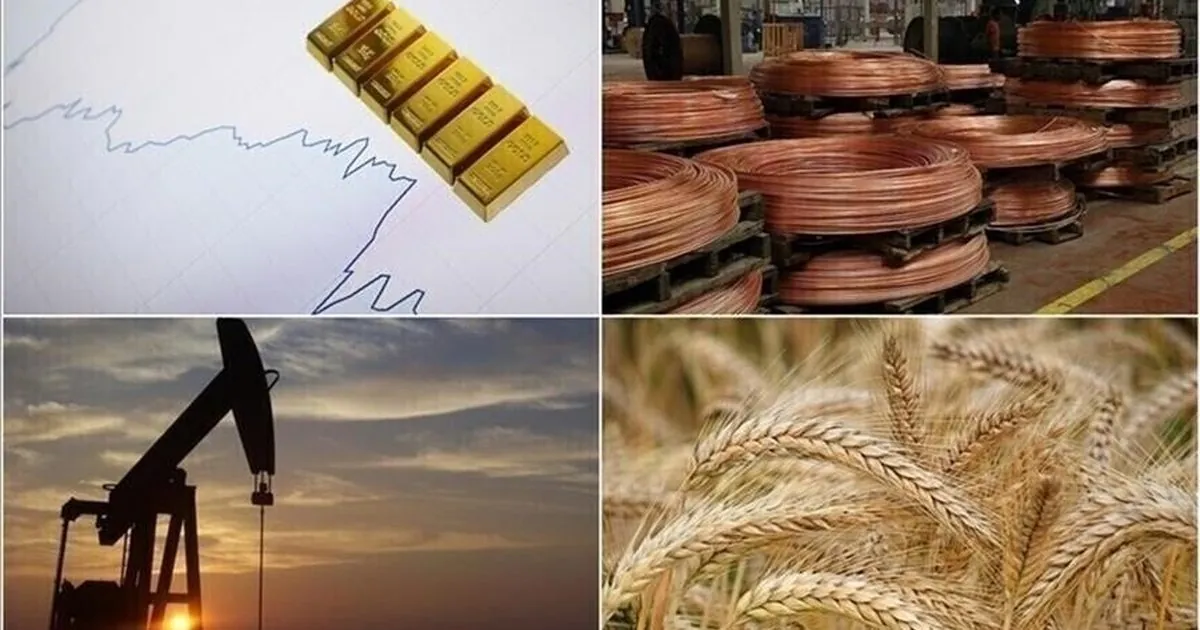
Rising harvest forecasts in the U.S. and increasing carryover stocks are pulling down grain prices, while drought concerns are leading to sharp increases in sugar and coffee markets.
Key grains traded in global agricultural markets ended the week with sharp losses, influenced by the progress of the harvest season and strong supply forecasts. Prices per bushel fell by 5.9% for corn and 2.9% for wheat in trading on the Chicago Board of Trade. The announcement of wheat production estimates above market expectations across the U.S. increased selling pressure, while rice prices also recorded a 1.4% decline due to weak export demand.
Current stock data released by the United States Department of Agriculture (USDA) reinforced concerns about excess supply in the market. According to USDA data, as of September 1, U.S. corn stocks increased by 35% year-on-year, reaching 2.1 billion bushels. Despite strong external sales for soybeans, the rapid entry of the new harvest into the market pulled prices down, causing soybean prices to lose 3.2% on the Chicago exchange.
Divergent price movements were recorded weekly on the Intercontinental Exchange for soft commodities and industrial agricultural products. Cotton prices, the primary raw material for the textile industry, showed a weekly decline of 4.8% due to global demand concerns and a strengthening dollar index. In contrast, global sugar prices managed to become the top-performing agricultural product of the week, gaining 7.6% on expectations of tighter supply.
Climatic factors and weather conditions in production areas continue to be direct determinants of coffee and cocoa prices. Meteorological forecasts suggesting insufficient rainfall during the flowering stage in Brazil, the world's largest producer, pushed coffee prices up by 4.4%. In the cocoa market, a limited 0.2% decline was observed due to surplus supply from the current season, but risks to the new season's harvest created by dry weather in Ivory Coast prevented a steeper fall.
Prices for energy and fuel, which are fundamental inputs for agricultural production, showed an upward trend due to geopolitical risks originating from the Middle East. While the price of a barrel of Brent crude increased by 3.5% weekly, the tightness in diesel supply directly threatens farmers' production costs. Fatih Birol, President of the International Energy Agency (IEA), made the following statement regarding the issue:
Monetary tightening measures by central banks and rising bond yields are increasing financing costs across commodity markets. The dollar index, which completed the week with a 1% increase at 101.9, is making agricultural products more expensive for importing countries, thus suppressing global demand. Despite the announcement of core inflation and weak employment data in the U.S., the expectation that interest rates will remain high is forcing speculative fund movements in agricultural commodities to remain cautious.
Weekly Price Change in Agricultural Commodities and Energy
Chicago Mercantile Exchange (CBOT) and ICE Data
- Sugar
- 7.6%
- Coffee
- 4.4%
- Brent Crude Oil
- 3.5%