


Frequently Asked Questions About Matcha Tea
· Dr. Tuba Günebak
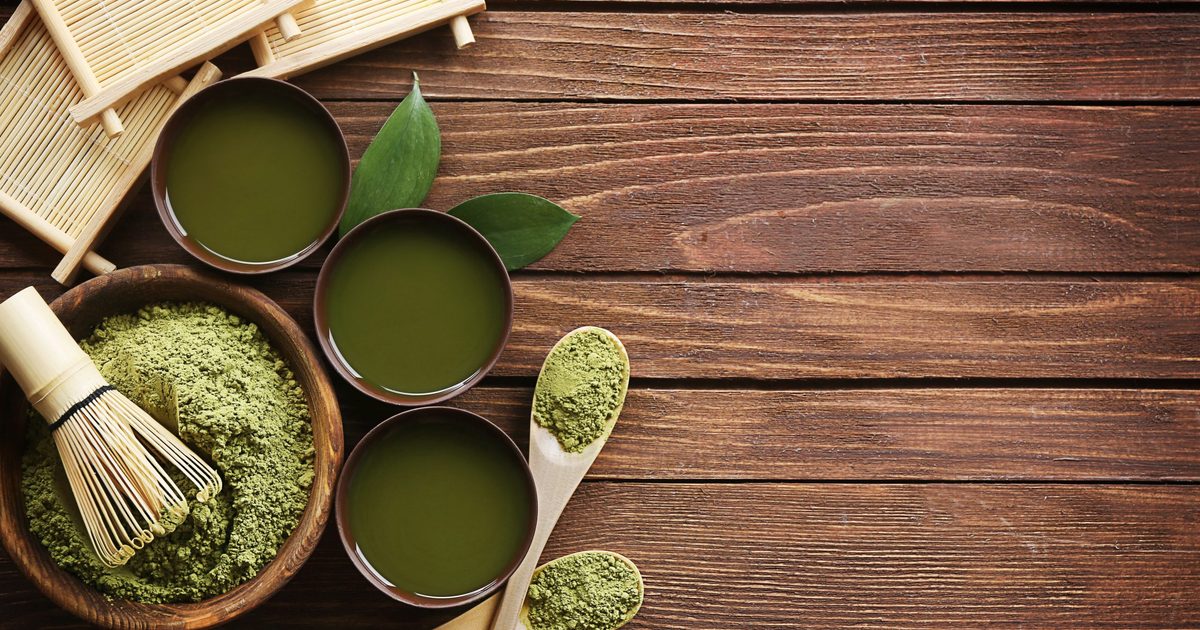
Matcha tea is essentially a special type of green tea. When we prepare and drink green tea, we discard the leaves. In matcha tea, the powdered green tea leaves dissolve in water, forming a solution that we then drink. Unlike traditional green tea, the tea leaves are shaded before harvesting during matcha preparation. This process enriches the aroma and taste of the leaves. The leaves are hand-pick
FREQUENTLY ASKED QUESTIONS ABOUT MATCHA TEA
Matcha tea is essentially a special type of green tea. When we prepare and drink green tea, we discard the leaves. In matcha tea, the powdered green tea leaves dissolve in water, forming a solution that we then drink. Unlike traditional green tea, the tea leaves are shaded before harvesting during matcha preparation. This process enriches the aroma and taste of the leaves. The leaves are hand-picked individually, protected from fermentation, dried, and then ground into a powder.
So, what are the effects of matcha tea on health?
- Matcha tea is rich in antioxidants (bioactive compounds) called polyphenols, which protect against heart disease and cancer, facilitate blood sugar regulation, balance blood pressure, and have an anti-aging effect.
- If you have sleep problems, you should not drink matcha tea 4-6 hours before bedtime, as it contains three times the caffeine of regular tea.
- With its cortisol-lowering effect, it both supports the weight loss process and enhances mood. Cortisol is a stress hormone that stimulates appetite and increases abdominal fat.
- It activates the detoxification system (by increasing superoxide dismutase activity).
- It contains Vitamin C, selenium, chromium, zinc, and magnesium.
- It supports liver and kidney health.
- It lowers blood triglyceride and bad cholesterol (LDL-cholesterol) levels.
- It speeds up metabolism by increasing the body's energy expenditure rate.
- It supports physical endurance.
Table 1. Antioxidant capacities of various foods

In conclusion, one cup of this tea, which has a very high antioxidant capacity, can be consumed daily.
Nutrition and Diet Specialist Asst. Prof. Dr. Tuba Günebak