


Diesel and Fertilizer Prices Surge in Agricultural Inputs
· TarımTR
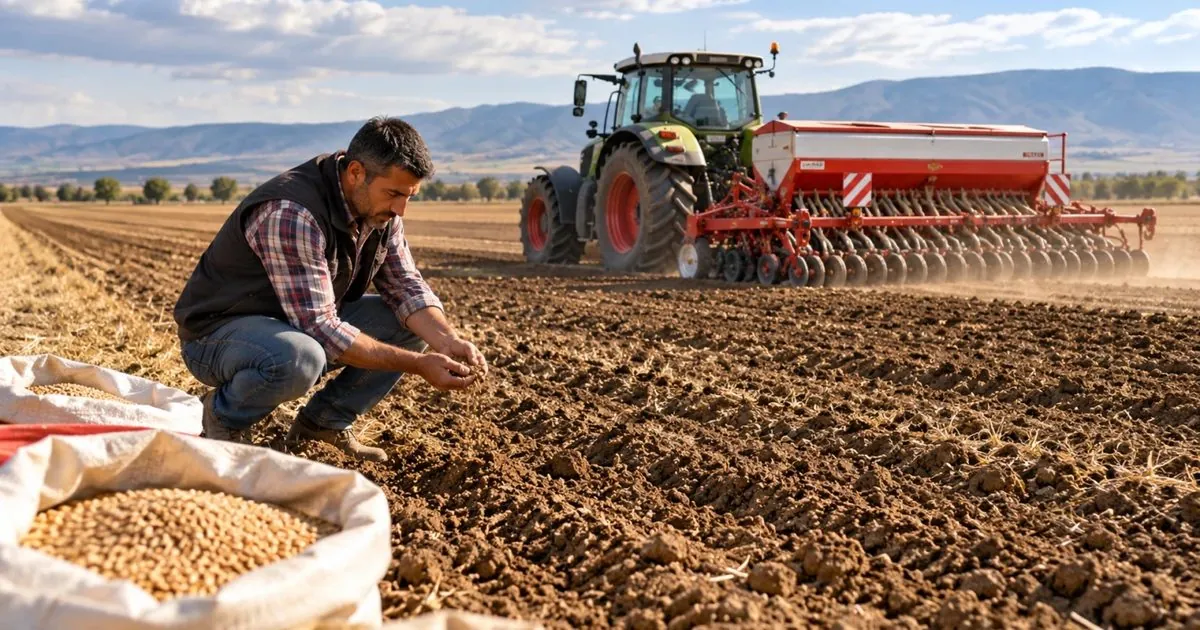
According to data from the Union of Chambers of Turkish Farmers (TZOB), diesel prices rose by 12.8% and DAP fertilizer by 9.9% month-on-month in September, escalating producer costs.
According to data from the Union of Chambers of Turkish Farmers (TZOB), a general price increase occurred in the basic inputs of agricultural production during the September 2026 period. Based on information compiled through Farmers' Chambers, significant rises were recorded in the cost items for farmers and producers. Month-on-month, the highest increases were measured at 12.8% for diesel and 9.9% for DAP fertilizer. During this period, urea increased by 6.7%, 20.20.0 compound fertilizer by 6.6%, ammonium nitrate by 6.3%, milk feed by 4.4%, and fattening feed by 4.2%.
Diesel was the most notable input in the producer's basket in September. According to TZOB data, the diesel price, which was at 83.83 TL/liter at the end of August, rose to 94.60 TL/liter at the end of September. This increase of 10.77 TL per liter created an additional cost of 538.50 TL for 50 liters, 1,077 TL for 100 liters, and 5,385 TL for 500 liters. When evaluated on an annual basis, diesel, which was 55.43 TL/liter in September 2025, experienced a record increase of 70.7% in one year.
Prices in the fertilizer group, one of the most critical inputs for crop production, also moved upwards. The price of DAP fertilizer reached 48,356 TL per ton in September from 44,002 TL in August, an increase of 4,354 TL month-on-month. Urea fertilizer also rose by 1,828 TL per ton, increasing from 27,330 TL/ton to 29,158 TL/ton. In annual changes, ammonium nitrate increased by 69.2%, ammonium sulfate by 55.6%, 20.20.0 compound by 38.6%, DAP by 35.9%, and urea by 13.7%.
The upward trend in input prices directly affected the livestock sector. According to TZOB records, milk feed increased from 19,569 TL/ton at the end of August to 20,434 TL/ton at the end of September, a monthly increase of 4.4%. Fattening feed prices rose by 4.2%, from 18,341 TL/ton to 19,110 TL/ton. The annual price increase of 31.8% in both feed groups made it imperative for businesses to re-evaluate their ration and daily per-animal cost calculations.

The per-ton increases in fertilizer create different per-decare costs depending on the scale of the operation. The prices of 20.20.0 at 29,333 TL/ton and ammonium nitrate at 21,672 TL/ton in August recorded increases of 1,946 TL and 1,368 TL respectively in September. The price of ammonium sulfate per ton increased by 272 TL from a base of 19,010 TL. According to technical calculations, the additional cost increase per decare in September for a producer applying 25 kilograms of DAP per decare is 109 TL/da, while with a usage of 50 kilograms, this burden reaches approximately 218 TL per decare.
During the September period, while input costs increased, product sales prices showed divergent fluctuations. According to TZOB data, the producer price of dried beans increased by 62.5% in September, while the price of dried figs decreased by 48% and the price of lemons by 30%. Due to the movement of input and product prices in different directions, it is stated that producers should focus not only on product sales prices but also on components such as per-decare cost, yield, and input quantity.
As preparations for wheat and winter crop planting are underway in October, producers need to establish current cost tables. It is particularly important to revise plans prepared with diesel and fertilizer figures from previous periods in line with the current market data from September. Livestock businesses also need to manage their rations by comparing rising feed prices with daily consumption and live weight or milk yield.
Increases in basic inputs are expected to create chain effects in agricultural production processes. The 70.7% annual increase in diesel directly creates cost pressure in highly mechanized processes such as land preparation, planting, spraying, and harvesting. How the rise in fertilizer and feed prices will be reflected in product yields and sales prices will be shaped by regional market conditions, per-decare yield, and supply-demand balance.
Annual Price Increase Rates in Agricultural Inputs
TZOB September 2025 - September 2026 Change Data
- Diesel
- 70.7%
- Ammonium Nitrate
- 69.2%
- Ammonium Sulfate
- 55.6%
- 20.20.0 Compound Fertilizer
- 38.6%
- DAP Fertilizer
- 35.9%
- Feed Group
- 31.8%
- Urea Fertilizer
- 13.7%