


Research: Feeding Birds in Gardens Can Spread Bird Flu
· ScienceDaily Beslenme
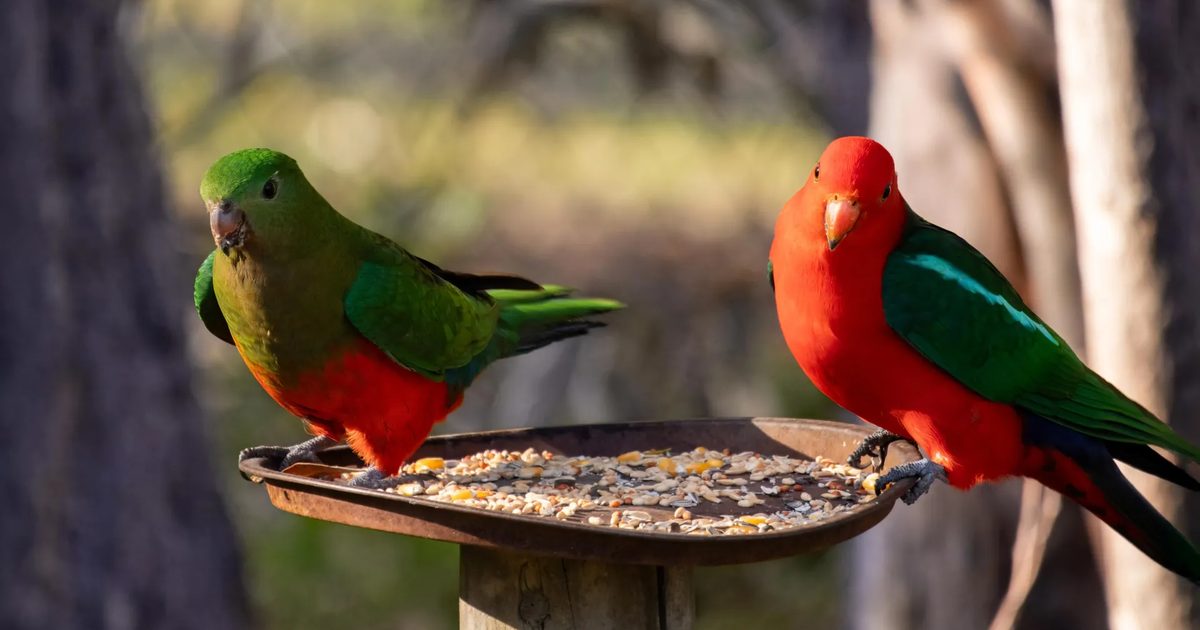
A new scientific assessment by Griffith University indicates that bird feeders in home gardens can create critical transmission hubs for the spread of the H5N1 virus among wild species.
Bird Flu Spread and Risks
According to a scientific assessment prepared by the Griffith University Centre for Planetary Health and Food Security, the deadly H5N1 virus, which affects wild avian and mammalian populations globally, is spreading across Australia. The published study stated that over 1,000 short-tailed shearwaters and one long-nosed fur seal, recorded for the first time on the mainland, have recently died from the virus. Researchers point out that this lethal situation poses a serious biological threat to particularly vulnerable wild species and could rapidly lead to population decline.
The Role of Garden Feeders in the Outbreak
Research conducted across Australia reveals that a high proportion of households, approximately 50%, regularly feed wild birds. The study reports that feeders placed in gardens can become uncontrolled super-spreader hubs for the H5N1 virus. The analysis, prepared by Emeritus Professor Darryl Jones, emphasizes that this well-intentioned act of assistance can actually accelerate pathogen transfer among birds. Daily feeding practices by households can pave the way for the uncontrolled growth of the outbreak around residential areas.
Risk of Contact Between Different Species
Seeds or pieces of meat left in gardens bring numerous different bird species together at the same point, species that would never naturally meet under normal circumstances. This situation causes the virus to rapidly jump between birds in different ecological niches, creating intense transmission zones. Scientists assess that if the virus spreads to rare species, such as the orange-bellied parrot, which is endangered, irreparable losses could occur. The disruption of the natural balance through artificial feeding multiplies the risk of disease.
Mammals and the Human Health Dimension
The threat posed by the H5N1 virus is not limited to avian species but extends directly to other parts of the wildlife chain. Scavenging animals such as possums, red foxes, and crows that feed on infected bird carcasses can also be directly exposed to the virus. The report notes that humans who come into very close contact with infected animals, such as wildlife carers and veterinarians, could also contract the virus with low probability. However, human cases are generally recorded as rare and mild.
Halting Feeding and Alternatives
Researchers emphasize that the most certain and effective way to reduce wild bird deaths during an outbreak is to completely cease the habit of feeding birds. Previous studies have proven that wild birds visiting gardens already meet their basic nutritional needs from natural sources such as insects and worms. The seeds and waste provided by humans are stated to be merely an additional snack. When feeding is stopped, birds do not congregate densely in gardens and manage to maintain their natural distance.
Hygiene Measures for Bird Feeding
Three basic measures are outlined for citizens who wish to continue feeding, which can partially reduce the risks. First, it is recommended to significantly reduce the amount of feed to prevent birds from gathering in large groups. To eliminate the risk of transmission, the practice of hand-feeding must be completely abandoned, and all contact surfaces should be regularly cleaned with household bleach. Experts remind that people should not touch sick or dead wild animals and should immediately report the situation to the relevant veterinary hotlines.