


Global Fertilizer Prices Expected to Remain High Until 2028
· Bloomberg HT
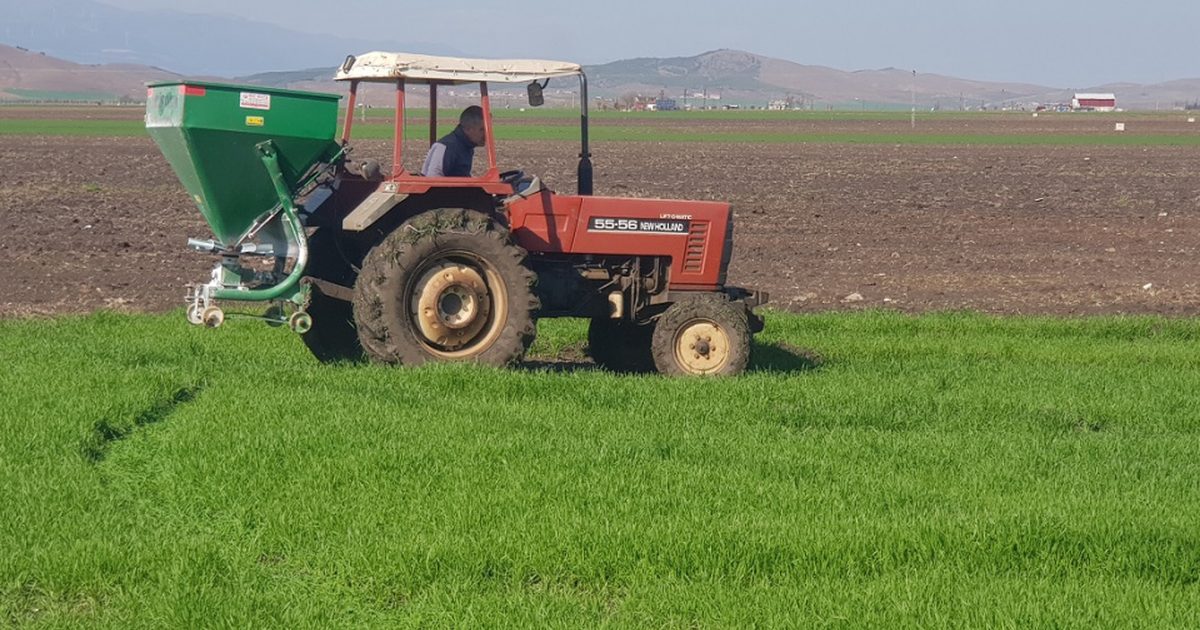
Geopolitical conflicts, logistical bottlenecks, and raw material crises will continue to exert upward price pressure on global fertilizer markets until 2028, according to a CoBank report.
Global Fertilizer Prices Remain High
According to a comprehensive report published by the CoBank Knowledge Exchange, high price pressure in global fertilizer markets is expected to persist until 2028. Geopolitical tensions, limited raw material supply, and decreasing phosphate availability are directly driving up agricultural input costs.
Jacqui Fatka, CoBank's Lead Economist, Agribusiness, commented on the supply constraints in the markets:
"The domino effect created by the Middle East conflict, combined with supply shortages, will drive up fertilizer prices and make supply difficult through 2027 and beyond."
Supply Risks Originating from the Middle East
The Middle East region continues to play a critical role in the international market, supplying over 60 million tons of fertilizers and raw materials annually. According to CoBank data, 45 million tons of this volume are shipped through the Strait of Hormuz. More than 50% of global sulfur trade and over 30% of urea exports originate from this critical region. Instability in the region and disruptions in logistics lines make the fertilizer supply chain extremely fragile and susceptible to interruptions on a global scale.
Plant Damage and Regional Restrictions
Conflicts and raw material crises have caused severe damage to global production infrastructure. According to the CoBank report, approximately 31 ammonia plants in the Middle East have been directly damaged or shut down. In India, Pakistan, and Bangladesh, 49 factories have ceased operations or had their activities restricted due to raw material shortages. In Russia, at least 20 production facilities were damaged in drone attacks, further deepening the decline in global fertilizer supply.
Raw Material and Export Barriers in the Phosphate Market
The increase in ammonia and sulfur prices, which constitute the largest variable cost in phosphate production, is severely limiting production. Three of the world's top 10 ammonia exporters operate around the Strait of Hormuz. China, the largest producer, restricted phosphate exports until August, shrinking the market. The persistently high sulfur costs strengthen the possibility of this ban being extended, while the supply of phosphate in global agricultural markets is steadily narrowing.
Farmers' Shifting Nutrient Management Strategies
In response to rising costs, farmers are optimizing inputs by turning to soil analysis and precision agriculture technologies. The CoBank Report, prepared by the CoBank Knowledge Exchange, summarizes the farmers' strategic shift with the following observation:
"Under-fertilization can be more costly than high fertilizer prices. Therefore, many farmers have reduced their phosphate and potassium levels by 10-15% in recent years, rather than reducing nitrogen applications."
Jacqui Fatka, CoBank's Lead Economist, Agribusiness, warned of potential yield losses:
"Low or no fertilizer application creates a two- to three-year lag before yields begin to decline."