


Irrigation Costs Diverge in Agricultural Sector: Gravity vs. Pumping Systems
· TarımTR
With no single per-decare cost for the 2026 irrigation season nationwide, unit prices are widening based on system type and energy expenditures.
In the 2026 season, there is no single per-decare price applicable nationwide for irrigation costs, one of the most critical input items in agricultural production. While water use service fees are determined by irrigation unions, not falling below minimum tariffs, the General Directorate of State Hydraulic Works (DSİ) applies different operation and maintenance tariffs based on crop and system type for the facilities it operates. Consequently, it appears unlikely for producers to plan based on a single fixed per-decare cost.
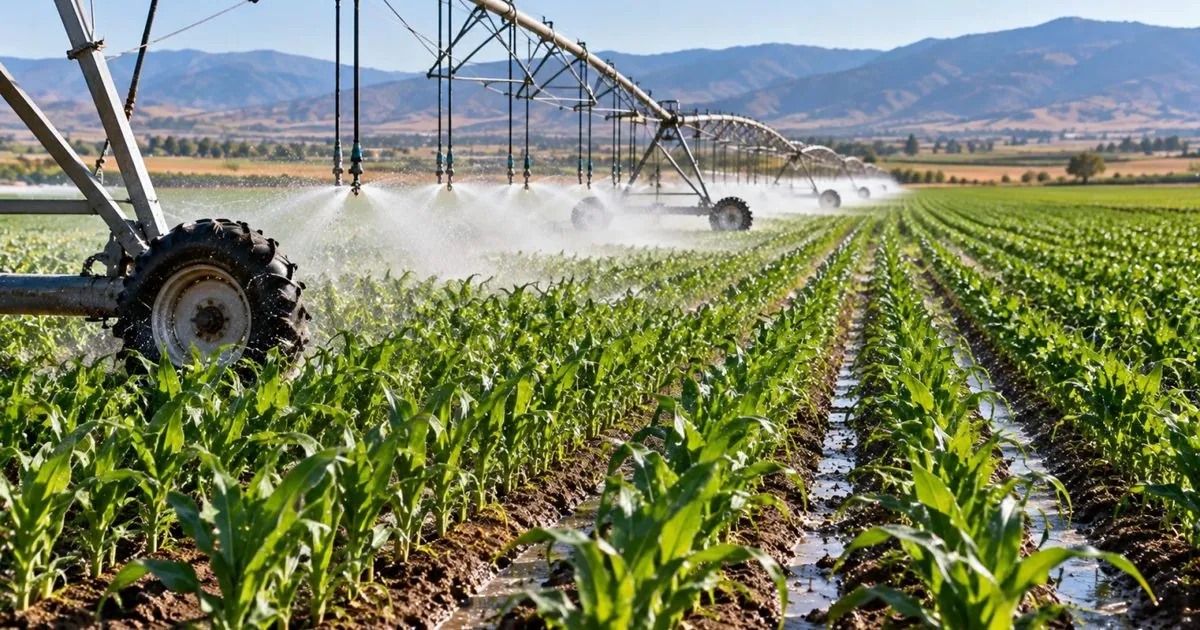
One of the primary reasons for regional and crop-specific differences in irrigation unit costs is the method of water delivery to the field. Costs are quite low in gravity-fed systems, where water is transferred by utilizing natural elevation differences. However, expenses increase significantly in pumped systems, which require electrical energy to lift and pressurize the water. This situation creates a basis for the irrigation cost of the same crop in the same region to vary severalfold depending on the system type, directly impacting operating budgets.
The 2026 operation and maintenance tariff for the Viranşehir II. Stage Irrigation, operated by the General Directorate of State Hydraulic Works (DSİ), clearly outlines the official fees determined by crop diversity. According to the announced DSİ tariff, the irrigation fee per decare is set at 563 TL/da for cereals and 886 TL/da for sunflowers. At the same facility, the per-decare fee for high-water-consuming cotton and sugar beets rises to 1,717 TL/da, while for rice and sugarcane production, it reaches 3,428 TL/da.
The 2026 water use service fee tariff of the Mustafakemalpaşa Irrigation Union concretizes the cost gap between gravity-fed and pumped irrigation. According to the union's tariff, gravity-fed irrigation is applied at 256 TL/da for cereals, 495.19 TL/da for sunflowers, 738.27 TL/da for corn and cotton, and 932.56 TL/da for sugar beets. When switching to a pumped line, these figures jump to 907.07 TL/da for cereals, 1,296.56 TL/da for sunflowers, 2,176.75 TL/da for corn and cotton, and 2,460.63 TL/da for sugar beets.
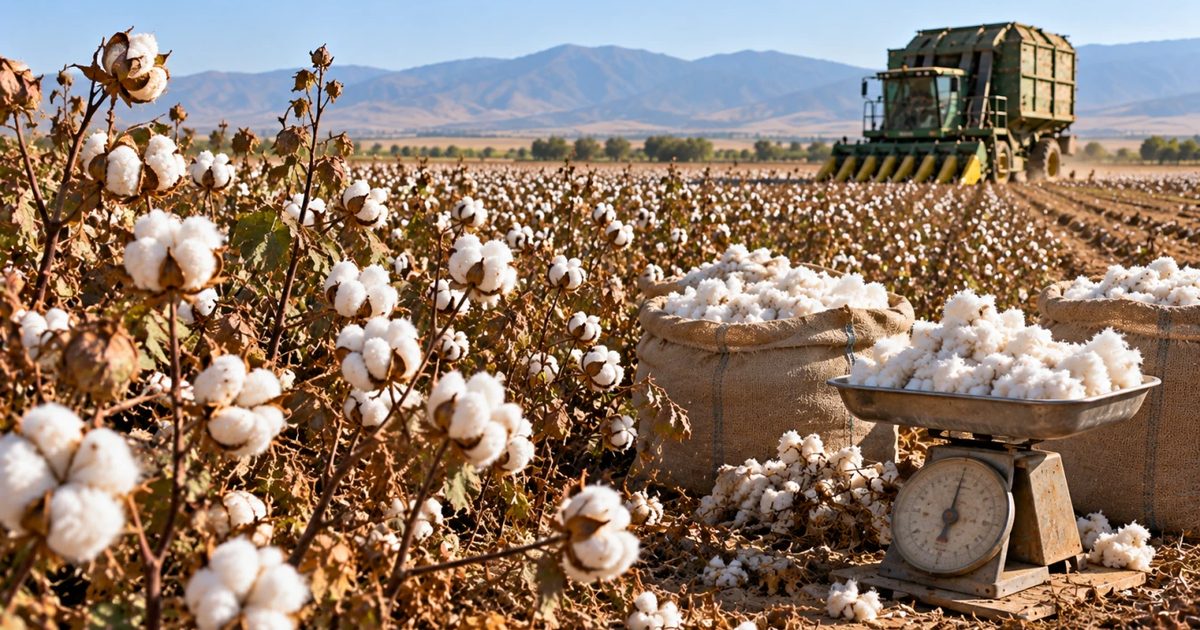
The per-decare unit prices in the tariffs translate to substantial operating expenses for large-scale lands. Based on the 2026 pumped tariff of the Mustafakemalpaşa Irrigation Union, the water fee for a farmer cultivating 100 decares of corn or cotton amounts to 217,675 TL. For a farmer producing sugar beets on 100 decares within the same union, this amount reaches 246,063 TL. These figures represent regional pumped tariffs, not nationwide costs.
The 69 TL/da figure in the 2026 minimum tariff of irrigation unions is not a general irrigation fee but covers a specific regulation for groundwater use. It applies at 69 TL/da for water drawn from permitted, documented, or licensed wells from DSİ and for neighboring lands in compliance with regulations. For unauthorized and unpermitted uses, 50% of the tariff is collected, with the base remaining at 69 TL/da; however, this fee does not include the electricity or fuel costs incurred for the well.
The water use service fee paid to irrigation unions and the total cost incurred by the producer on their own field are conceptually distinct. Irrigation unions establish tariffs to cover management, maintenance, repair, energy, and personnel expenses. However, for producers operating their own wells and submersible pumps, expenditures for fuel, electricity, transformers, and mechanical maintenance accumulate separately within the operation. The actual irrigation cost comprises the sum of the service tariff and the producer's own energy and equipment expenses.
In the face of rising energy and water costs, the Ministry of Agriculture and Forestry provided grant support ranging from 50% to 70% for modern irrigation system investments in 2026. The support program covered drip, sprinkler, micro-sprinkler, subsurface drip irrigation, center pivot, and smart irrigation infrastructures. According to the Ministry's announcement, official applications for this grant program began on April 29, 2026, and concluded on June 12, 2026, at 23:59.
For healthy production planning, producers need to calculate their own actual irrigation costs by dividing their seasonal actual expenditures by the decare. Seasonal electricity bills, diesel expenses, and pump maintenance costs should be included in the official fees paid to the unions. For example, an operation with total irrigation expenses of 180,000 TL over 100 decares during the season has a unit cost of 1,800 TL per decare; therefore, producers should focus not only on official tariffs but also on their own consumption values.
Agricultural Irrigation Unit Tariffs for 2026
DSI and Irrigation Union Data
- Mustafakemalpaşa Gravity Fed Cereals
- 256 TL/da
- Mustafakemalpaşa Gravity Fed Sunflower
- 495.2 TL/da
- Viranşehir II. Stage Cereals
- 563 TL/da
- Mustafakemalpaşa Gravity Fed Corn and Cotton
- 738.3 TL/da
- Viranşehir II. Stage Sunflower
- 886 TL/da
- Mustafakemalpaşa Pumped Cereals
- 907.1 TL/da
- Mustafakemalpaşa Gravity Fed Sugar Beet
- 932.6 TL/da
- Mustafakemalpaşa Pumped Sunflower
- 1,296.6 TL/da
- Viranşehir II. Stage Cotton and Sugar Beet
- 1,717 TL/da
- Mustafakemalpaşa Pumped Corn and Cotton
- 2,176.8 TL/da
- Mustafakemalpaşa Pumped Sugar Beet
- 2,460.6 TL/da
- Viranşehir II. Stage Rice and Sugarcane
- 3,428 TL/da