


Goose Farm in Kastamonu Grows with High Demand
· Tarım TV
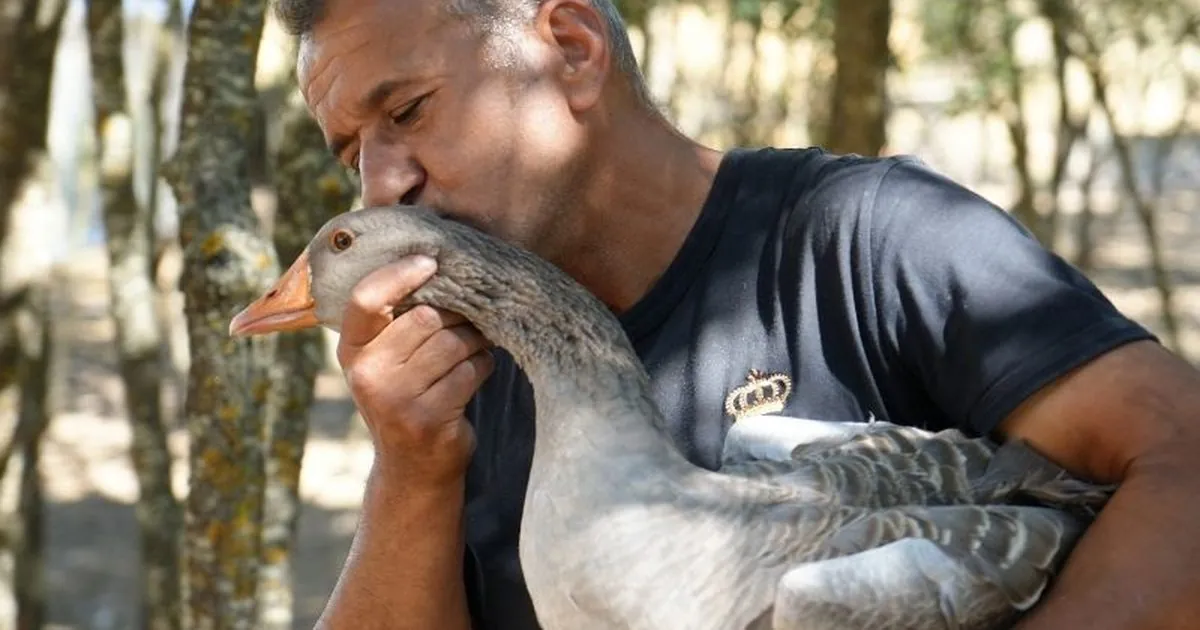
Suat Bayramoğlu, who returned to his hometown Kastamonu from Istanbul during the pandemic, has increased his breeding stock to 600 from 130 goslings, supplying breeding geese across Turkey and abroad.
Suat Bayramoğlu, a father of five and 50 years old, who was involved in the construction materials trade in Istanbul, returned to his hometown Kastamonu in 2020 when his business slowed down due to the coronavirus pandemic. Settling in the village of Doğuörcünler in the Devrekani district with his family, the producer ventured into the poultry sector on his ancestral lands. Goose Producer Suat Bayramoğlu described the process of starting in the sector in his own words:
Bayramoğlu, who started production with 130 goslings, reached a flock of 600 breeding geese in approximately 5.5 years with the care techniques he applied. This farm, established in Kastamonu, has started shipments to many regions of Turkey, especially Kars, which is considered the center of goose production. The business, which contributes to the revitalization of production potential in the region, has provided a significant input to the local economy and poultry population. The raised breeding geese are delivered to producers in different cities who need breeding stock.
Goose Producer Suat Bayramoğlu, who stated that he conducted detailed research on the breed preferred for production, made the following statement:
Thanks to the incubator with a capacity of 1,200 eggs used on the farm, an average of 1,000 healthy goslings hatch each season. The fertilized eggs and breeding goslings obtained are shipped directly according to market demand. The producer has eliminated external dependency by keeping the control of breeders and eggs entirely in-house. This ensures that the production cycle is carried out in a planned manner throughout the year and secures market supply.
It was stated that geese offer a great advantage in terms of feeding costs, consuming grains such as barley, wheat, oats, and corn without issues. Especially during the laying periods, 50% of their nutritional needs are met through natural grazing from the village pastures. Only during active laying periods is a special layer feed supplement provided. This pasture-based feeding model significantly reduces input costs, increasing profitability.
Goose Producer Suat Bayramoğlu, providing information about marketing channels and the high demand received, said:
Goose Producer Suat Bayramoğlu emphasized that goose farming is quite practical in terms of labor requirements and made the following assessment:
His daughter, Elif Sare Bayramoğlu, who helps her father on the farm, shared her feelings with these words:
Goose Producer Suat Bayramoğlu made evaluations regarding the farm's capacity, stating:
Farm owner Bayramoğlu also expressed his gratitude to the Minister of Agriculture and Forestry, İbrahim Yumaklı, and Devrekani Mayor Engin Altıkulaç for their institutional support for production in the region.
| Value | Period | Measure |
|---|---|---|
| 50 years | — | Producer's age |
| 5 people | — | Number of children |
| 130 units | 2020 | Initial chick stock |
| 600 units | 5.5 years later | Current breeding goose number |
| 1200 units | — | Incubator egg capacity |
| 1000 units | — | Average number of chicks hatched |
| 45000 people | — | Social media follower count |
| 20% | — | Overseas customer ratio |
| 10 years | — | Daughter's age working on the farm |
| 20 minutes | daily | Average daily working time |
| 10.5 kg | — | Maximum weight of the Great Grey Goose breed |
| 50% | laying period | Proportion of food met from pasture during the laying period |
| 3000 units | — | Maximum number of geese that can be raised |
| 1000 units | — | Target number of geese for healthy production |
| Since 5 years old | — | Daughter's time spent on the farm |