


Potato Prices in Russia Remain High Despite Harvest Season
· Tarım Pusulası
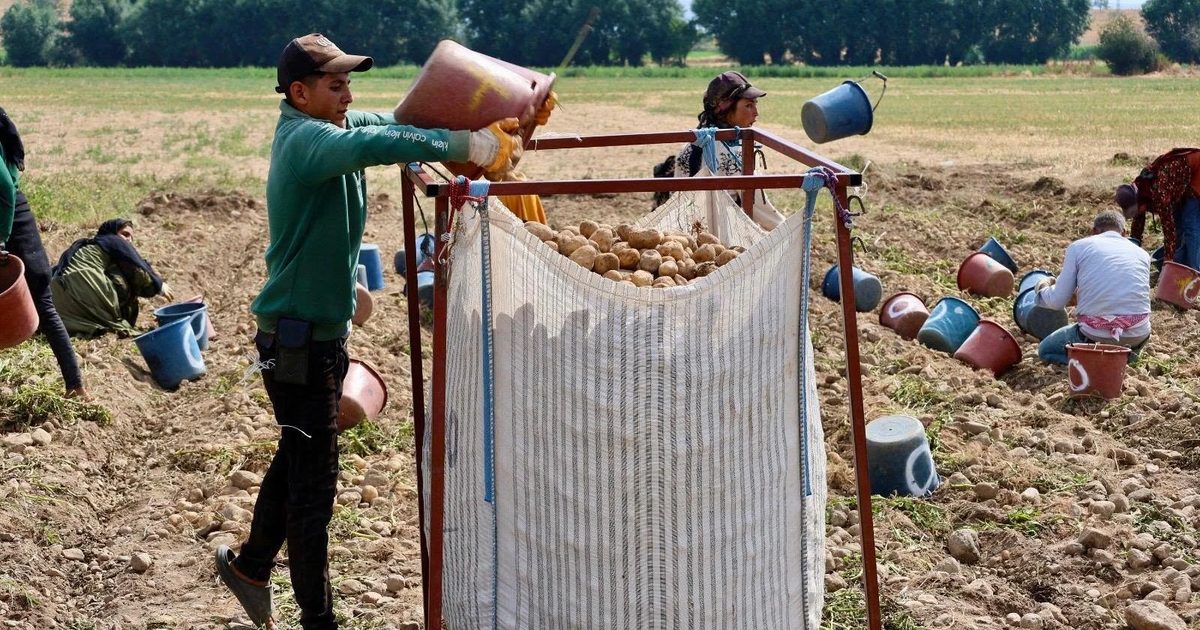
A decline in potato planting areas to an 18-year low and reduced yields in Russia have driven up wholesale and retail prices during the harvest season.
Harvest Season Price Pressure in the Market
According to AB-Center data, wholesale and retail potato prices in the Russian market are showing a notable upward trend. By the end of August 2026, the average wholesale price of potatoes reached 22.3 rubles ($0.268 USD) per kilogram, a 33.6% increase compared to the same period last year. In retail sales, the average price climbed to 59.1 rubles ($0.709 USD) per kilogram, marking a 35.3% year-on-year rise. Despite active harvesting efforts, the market has not seen the expected easing; wholesale prices only fell by 5.1% in August to 23.2 rubles ($0.278 USD) from 24.5 rubles ($0.294 USD) in July. The limited seasonal decline this year, compared to 32% in the same period last year, highlights the supply pressure in the market.
Decline in Yields and Planting Areas
The primary reason for this upward price movement is attributed to a sharp drop in production expectations. AB-Center forecasts that industrial potato production is expected to remain around 7.5 million tons in 2026. This volume is approximately 980,000 tons less than the 8.48 million tons produced in the previous year. One of the main factors contributing to the reduced harvest is the decrease in potato planting areas to 277.8 thousand hectares, the lowest level in the last 18 years. Furthermore, the decline in agricultural yield per hectare this season, following a record high in 2025, further exacerbates the total production loss.
Next Season Risks and Imports
This structural contraction in the market brings back memories of the sharp price fluctuations experienced in the 2024/2025 season. During that season, the wholesale price of domestic potatoes surged from 20.9 rubles ($0.251 USD) in September to 49.4 rubles ($0.593 USD) in May, recording a 136% increase with a net rise of 28.5 rubles ($0.342 USD) per kilogram. If the current production trend continues, a similar crisis is anticipated in the spring months. To curb price increases, it is recommended that importers advance their supply season by at least one month, starting in January, while uninterrupted product supply from Belarus and China continues.