


Turkey Maintains its Leadership in Global Fig Production
· AA Tarım & Ekonomi
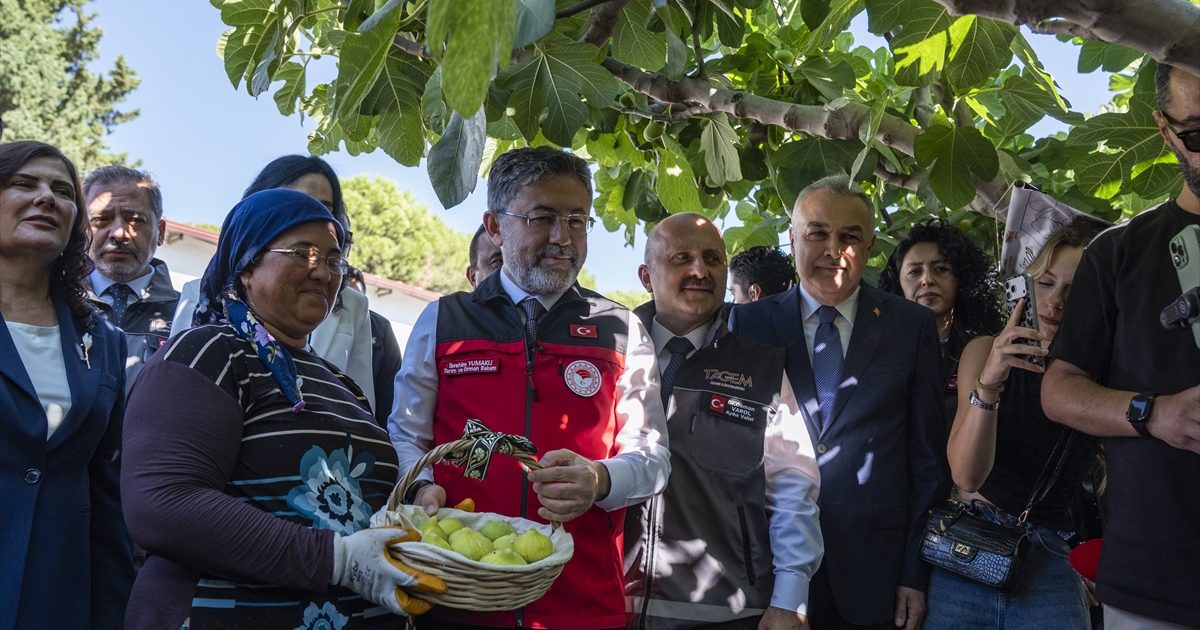
With the new fig harvest season commencing in Aydın, Turkey continues its global leadership with a 28% share in world production and meets 65% of the global dried fig demand.
Turkey Leads World Fig Production
Minister of Agriculture and Forestry İbrahim Yumaklı attended the fig harvest program organized at the Fig Research Institute in İncirliova district of Aydın, meeting with producers in the region. Stating that Turkey received the best rainfall in the last 66 years this year, Minister Yumaklı noted that record levels were reached in overall agricultural production. Sharing the Ministry's data with the public, Minister of Agriculture and Forestry İbrahim Yumaklı made the following statement:
"Especially in grains, we are now nearing completion. We expect a plant production volume of over 140 million tons. This will be the most significant and largest record of all time."
Harvest Expectations and Aydın's Share
Drawing attention to Turkey's commercial power in the global market, Minister of Agriculture and Forestry İbrahim Yumaklı shared the following details regarding production and export balance:
"Turkey ranks first in world fig production with a 28% share. It is also a very important exporter of dried figs. The 2026 harvest estimate will be approximately 388,000 tons of fresh figs and 94,000 tons of dried figs. Our country meets approximately 60% to 65% of the world's demand for dried figs. In this sense, the world leadership for a truly unique product is in our country. 60% of the figs produced in Turkey are also produced in Aydın. Simultaneously, organic fig production is also realized in significant quantities in Aydın. 84% of the organic figs produced in Turkey are from Aydın."
Genetic Resources and Quality Standards
Minister Yumaklı emphasized the importance of scientific studies conducted within the Fig Research Institute, announcing that the genetic resources of 354 different fig varieties are under protection in the institute's gene bank. Pointing to the risks encountered during the production process, Yumaklı warned about the potential formation of aflatoxins and ochratoxins due to climate factors during harvest, storage, and processing stages. He stressed the need to prevent quality losses, noting that research and development activities play a critical role in sectoral sustainability.
Export Security and Contract Farming
Reminding that toxin-related quality issues can lead to product returns in international trade, Minister of Agriculture and Forestry İbrahim Yumaklı pointed to inter-institutional cooperation:
"We strive to work together, both as the ministry, as producers, and as exporters, to minimize problems."
Minister Yumaklı stated that the transition of fig processing facilities to a contract farming model will bring discipline to the market, and expressed that state support and incentives will be resolutely continued throughout all stages from the field to the market.