


Climate Crisis Disrupts Education for 171 Million Students
· Al Jazeera

A UNICEF report estimates that in 2025, over 171 million students in 106 countries will have their education interrupted by extreme weather events, with long-term income losses projected to reach $200 billion.
Global Climate Crisis Hits Education
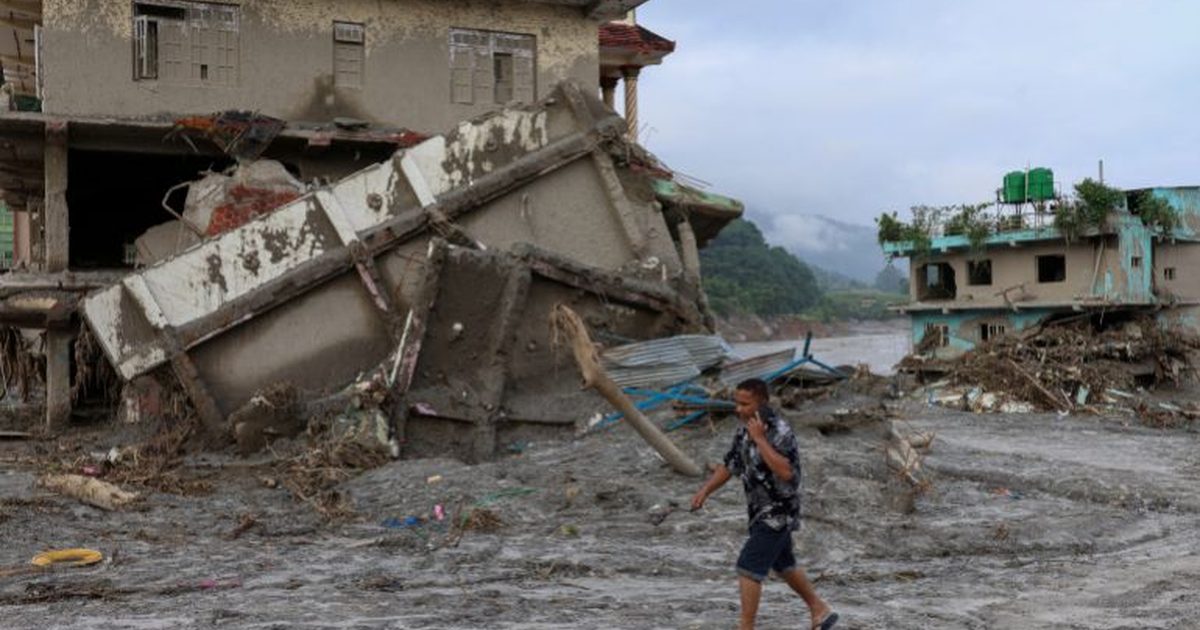
According to a new report released by the United Nations Children's Fund (UNICEF), in 2025, the education of one in every 10 students globally, from pre-primary to the end of secondary education, was disrupted due to climate hazards. The report, which examined data from a total of 106 countries and regions, stated that over 171 million students were directly affected by extreme weather events. Storms, floods, extreme heat, droughts, and wildfires damaged school buildings and shortened educational periods. Highlighting the scale of the crisis, UNICEF Executive Director Catherine Russell commented:
'For millions of children, climate hazards are not just disrupting lessons; they are destroying their schools, displacing their families, and leaving the most vulnerable behind.'
Devastating Toll of Extreme Weather Events
According to UNICEF data, storms were the primary cause of school disruptions in 2025, affecting a total of 109 million students worldwide. Severe floods prevented at least 70 million students from attending classes, while record-breaking heatwaves disrupted the educational lives of approximately 50 million children. In the previous year, 250 million children in 85 countries were reported to be affected; the organization announced a change in methodology this year, relying on data from aid organizations and local media instead of government figures. The disasters severely impacted the physical infrastructure of schools, and absenteeism rates reached critical levels.
Girls and Poor Countries
The published report noted that 75% of children affected by the climate crisis live in low and lower-middle-income countries, which lack the resources to sustain education during crises. The Learning Interrupted Report placed a special emphasis on the devastating impact of disasters on girls, stating:
'Girls face higher risks of dropping out due to insecurity, unsafe learning environments, and child marriage.'
The same report pointed to additional challenges brought by the crisis, stating:
'Damage to schools and sanitation facilities, displacement, and loss of family income can place additional caregiving and water-fetching responsibilities on girls.'
The report continued with a warning about the ongoing risks:
'These pressures can also increase the risk of child marriage, making it harder for girls to return to the classroom when schools reopen.'
Future Threat and Economic Loss
The impact of climate-induced disruptions on children is not limited to immediate learning losses; it is calculated to incur very significant long-term economic costs. According to UNICEF's analysis, if necessary measures are not taken, disruptions in 2025 alone could result in an irreparable loss of at least $200 billion in students' lifetime earnings. The United Nations agency called on governments and international partners to urgently increase education investments. Officials stated that budgets must be rapidly mobilized to build new educational facilities resilient to climate disasters and environmental hazards.
| Değer | Dönem | Ölçüm |
|---|---|---|
| 10'da 1 oran | 2025 | İklim felaketlerinden etkilenen öğrenci oranı |
| 171 milyon öğrenci | 2025 | İklim nedeniyle eğitimi kesintiye uğrayan öğrenci sayısı |
| 106 ülke ve bölge | 2025 | İncelenen ülke ve bölge sayısı |
| 75 % | 2025 | Düşük ve alt-orta gelirli ülkelerde yaşayan etkilenen çocuk oranı |
| 109 milyon öğrenci | 2025 | Fırtınalardan etkilenen öğrenci sayısı |
| 70 milyon öğrenci | 2025 | Sellerden etkilenen öğrenci sayısı |
| 50 milyon öğrenci | 2025 | Sıcak hava dalgalarından etkilenen öğrenci sayısı |
| 250 milyon çocuk | 2024 | Bir önceki yıl etkilenen çocuk sayısı |
| 200 milyar $ | 2025 | Ömür boyu tahmini potansiyel gelir kaybı |