


Digital Tracking Era Begins in Livestock with Aselsan
· Tarım Dünyası
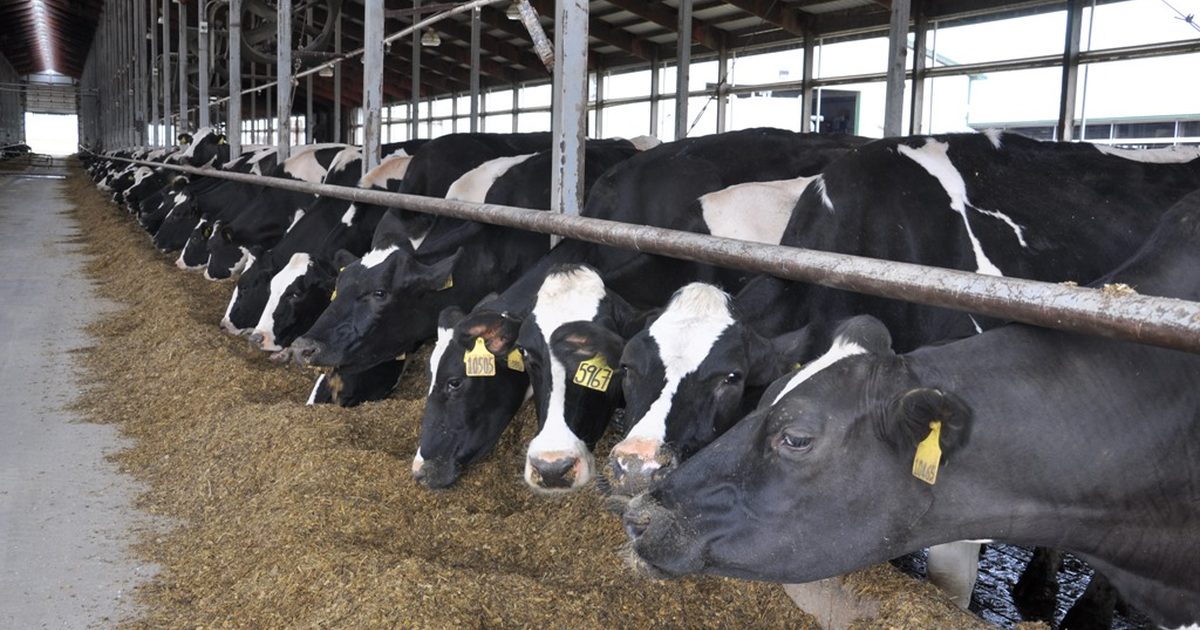
The Secure Electronic Ear Tag Monitoring System, implemented through a partnership between the Ministry of Agriculture and Forestry and the Presidency of Defense Industries, brings end-to-end digital tracking to cattle populations.
Digital Ear Tag Era Begins in Kars
The Ministry of Agriculture and Forestry officially announced the groundbreaking Secure Electronic Ear Tag Monitoring System (GEKİS) for the livestock sector at a meeting held in Kars. The domestic system was introduced at a launch event on August 7, 2026, attended by Minister of Agriculture and Forestry İbrahim Yumaklı and President of the Presidency of Defense Industries Prof. Dr. Haluk Görgün. Kars was selected as the initial implementation point due to its prominent role in livestock farming. With this project, traditional plastic ear tags will be replaced by smart tracking systems with microchips.
Development Process and Engineering Efforts
The project, coordinated by the Presidency of Defense Industries, was completed through over two years of meticulous field and design work by Aselsan engineers. During the preparation phase, a total of 46 project review meetings were held with all industry stakeholders, and the prototypes developed were directly tested under challenging farm conditions. President of the Presidency of Defense Industries Prof. Dr. Haluk Görgün emphasized the contribution of domestic industry to agricultural capacity, stating that food security and supply continuity are integral parts of national defense.
Targeting Full Traceability in Cattle Population
The new system aims to achieve 100% digital tracking of the entire life cycle of cattle, from birth to slaughterhouse. Minister of Agriculture and Forestry İbrahim Yumaklı described the oversight infrastructure provided by the system as follows:
"With GEKİS, every animal will now have a digital identity. From birth, their vaccinations, health records, movements, sales, and slaughter processes will be securely tracked electronically. This system is more than just a simple ear tag; it represents secure record-keeping, robust tracking, and healthy production. This will enable us to intervene much faster in animal diseases and manage epidemic risks more effectively. We will also largely eliminate the problem of fake and lost ear tags."
The Immense Livestock Value in the National Economy
According to Ministry data, Turkey has over 17 million cattle, with a total economic value estimated at over 1.5 trillion Turkish Liras. The sector yields 1 million 313 thousand tons of beef and over 20 million tons of cow's milk annually. The monetary value of the produced meat and milk reaches approximately 1.2 trillion Turkish Liras per year. Data losses previously experienced due to physical tracking methods for this immense economic scale will now end with digital transformation.
Disease Management and Productivity Increase
With the digital ear tag, herd health will be monitored in real-time, reducing calf losses and accelerating breeding activities. Minister Yumaklı highlighted that even a 1% increase in productivity brought by the system would add 12 billion Turkish Liras in value to the national economy each year. Drawing attention to artificial intelligence technologies, Minister of Agriculture and Forestry İbrahim Yumaklı made the following assessment regarding data-driven decision-making processes:
"If you don't have healthy data, if you don't have records, even technologies won't yield the desired results. Therefore, in this age of artificial intelligence, by processing the data we will obtain with this system, we will hopefully implement healthier, faster, and more applicable decisions."
Technological Solution to the Fake Ear Tag Problem
The microchipped electronic ear tags developed by Aselsan engineers have been made technically impossible to copy or transfer to another animal. The digital ear tags attached to animals are read remotely with handheld terminals, and the data is transferred to a central database without any human intervention. This will completely prevent the production of fake ear tags, duplicate registrations, and illegal animal movements. The movement of diseased animals under quarantine outside the region will also be detected instantly, preventing the spread of epidemics to other provinces.
History of the Project and the Pakdemirli Era
The digital ear tag project in livestock was first brought to the agenda in 2020 by the then Minister of Agriculture and Forestry, Bekir Pakdemirli. In his statement on February 17, 2020, Pakdemirli explained the logic of the system with the following words:
"The ear tag is this: we will attach a mobile phone to each animal's ear. I explain this in international meetings, and they love it: 'This is not for cows to talk to each other, but for people to have information.' An ear tag with complete mobile phone infrastructure inside."
Pakdemirli further elaborated on the project's technical details and tracking capabilities:
"This is a mobile phone, but not one that is constantly running. Its battery lasts 5 years; it will wake up every 2-3 days. Then it will start: 'Hello, my name is X, I am here, I am alive, my body temperature is good, I am not sick, I am in heat,' it will send an SMS to the veterinarian. The veterinarian will come immediately, perhaps to perform insemination. If it's not supposed to cross a certain geographical area, it will say, 'I am within the area you designated.'"
These goals, stated at the time, could not be realized for various reasons.
The Cost Question That Concerns Producers
For the new system to succeed in the field, the cost burden on farmers needs to be clarified. Industry representatives express concerns that small family farms may struggle to afford the high device and application costs. Questions about how much subsidy or support the Ministry will provide for the transition to digital ear tags, and whether ear tagging will be carried out by provincial directorates or producer unions, are still awaiting answers. Furthermore, the rates of ear tag loss, battery life, and replacement periods are among the primary concerns of producers.
European Union and Global Applications
Animal tracking systems have been successfully implemented as a legal requirement in developed countries for many years. The European Union has mandated ear tagging since 1998 and extensively utilizes RFID (Radio Frequency Identification) technologies in its 'farm-to-fork' food safety strategy. Major beef-producing countries such as the United States, Canada, Mexico, and Uruguay also monitor herd health in real-time, suppressing epidemics at an early stage and fully meeting the transparent traceability standards demanded by the retail sector.
The Australian Model and Future Expectations
One of the most successful traceability examples on the global stage is considered to be the National Livestock Identification System (NLIS) established in Australia in 1999. This system, initially implemented for cattle and later expanded to sheep and goats, plays a key role in biosecurity and export markets. It is also aimed for the GEKİS implemented in Turkey to eventually cover small ruminants similarly. If the system is implemented effectively, Turkey's livestock policies can be based on real-time, verified data from the field, rather than estimations.