


The World is Bigger Than Five, Justice is Needed for All
· Halil ETYEMEZ
The justice of a world order is measured not by the room it gives the most powerful country to maneuver, but by how well it protects the most vulnerable person. The safety of a people whose voices are not heard at decision-making tables, a mother searching for her child amidst ruins, a generation whose future is decided by others… This is the true measure of success for the international system.
The justice of a world order is measured not by the room it gives the most powerful country to maneuver, but by how well it protects the most vulnerable person. The safety of a people whose voices are not heard at decision-making tables, a mother searching for her child amidst ruins, a generation whose future is decided by others… This is the true measure of success for the international system.
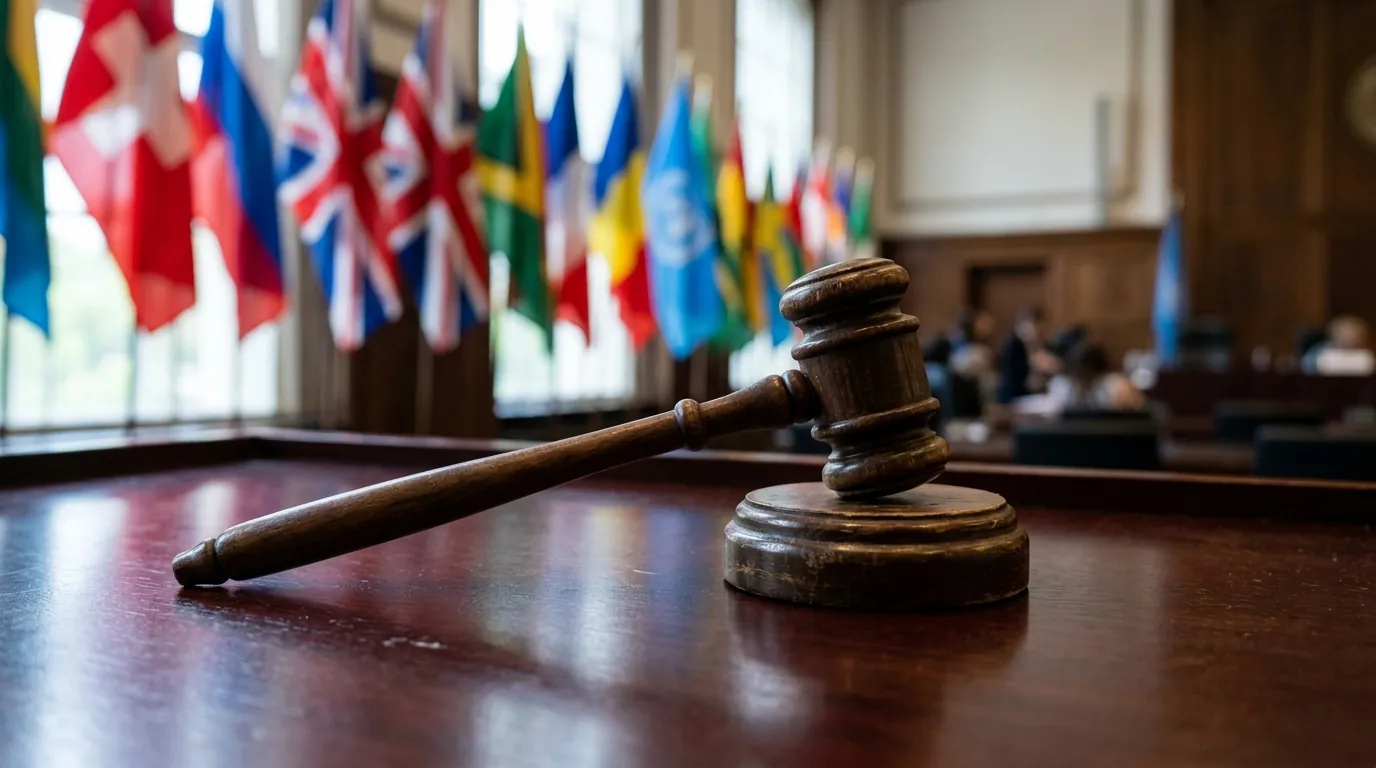
We must read President Recep Tayyip Erdoğan’s call, reiterated from the United Nations podium, 'The world is bigger than five,' with this measure. The demand for reform carried by this call places before us the issue of who will have a say in humanity's shared future.
In my opinion, the most important conclusion we can draw from this is: The sincerity of the demand for justice begins where we accept that the rule we propose also limits our own power.
We must want for others the security we want for ourselves. We must be able to object to violations against our friends. We cannot evaluate a child's right to life based on the proximity of states, the calculations of alliances, their identity, or their faith. Otherwise, only the owner of the privilege will change.
Therefore, we must transform the pursuit of a more just world into concrete responsibilities.
Firstly, inaction must also be held accountable. If the inaction of an international institution affects people's lives, that silence cannot be considered neutral. Countries that block initiatives to prevent civilian casualties must be obliged to explain their justifications and proposed solutions to world public opinion. I propose that an independent humanitarian impact report be published after every obstruction. This will make the human cost of diplomatic decisions visible.
Secondly, a guarantee of minimum common ground must be established to protect human life. Pre-determined, verifiable intervention and aid mechanisms must be established for the protection of children, the functioning of hospitals, access to clean water, and the delivery of humanitarian aid. Seeking political consent anew for the same basic needs in every crisis takes away from people's lives in lost time.
Thirdly, our way of measuring the success of international institutions must change. We must ask how many people have gained security, as well as how many meetings have been held. What portion of the aid pledges has been fulfilled? How many children have returned to school? Which danger was averted before it grew? The world needs a balance sheet of humanitarian outcomes.
Fourthly, we must strengthen the social foundation of peace. How can we expect people who do not receive the reward for their labor, who are deprived of education, and who have no say over their country's resources to trust in the future? Common development, fair working conditions, and access to information must be at the center of peace policy.
As a teacher, I believe this: Children learn justice from what adults do. If we teach equity in the classroom while showing that the powerful can do anything in the world, we will erode future generations' trust in the law with our own hands.
Therefore, our call must be clear:
No state shall be exempt from accountability. No people's security shall be forgotten in negotiations. No child's life shall be kept waiting at the decision-making table. The responsibility of those who wield power shall grow with the means they possess.
Turkey's leadership in this call will gain lasting value if it insists on the application of the principles it defends for everyone.
The world is bigger than five. Justice will become everyone's guarantee when those who demand it can prioritize it above their own interests.
May you forgive me.
May you be entrusted to God.